There are concerts, there are festivals, and then there are those rare occasions when a band is given the space to transform its entire history into a living, breathing world.
Eddfest was exactly that.
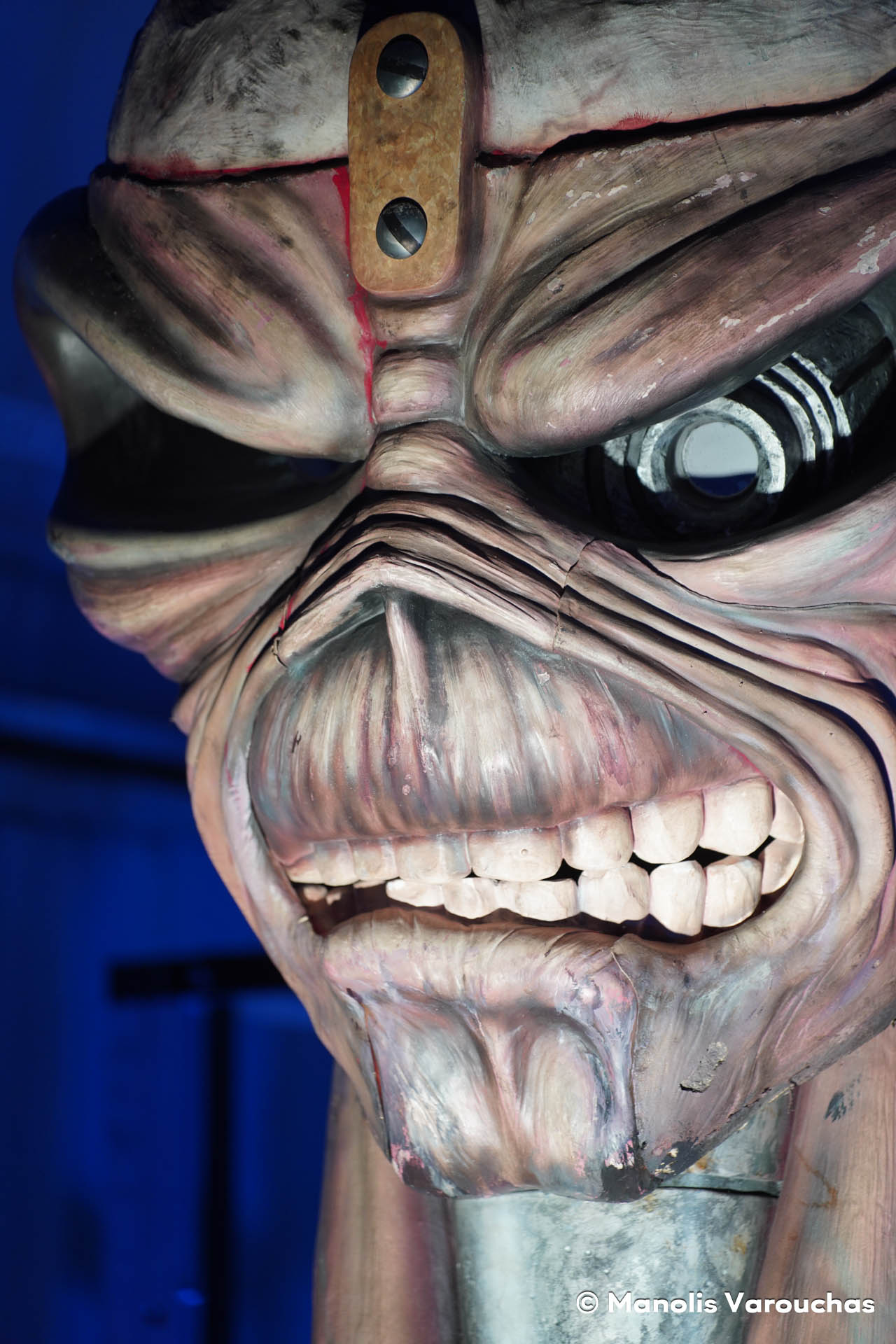
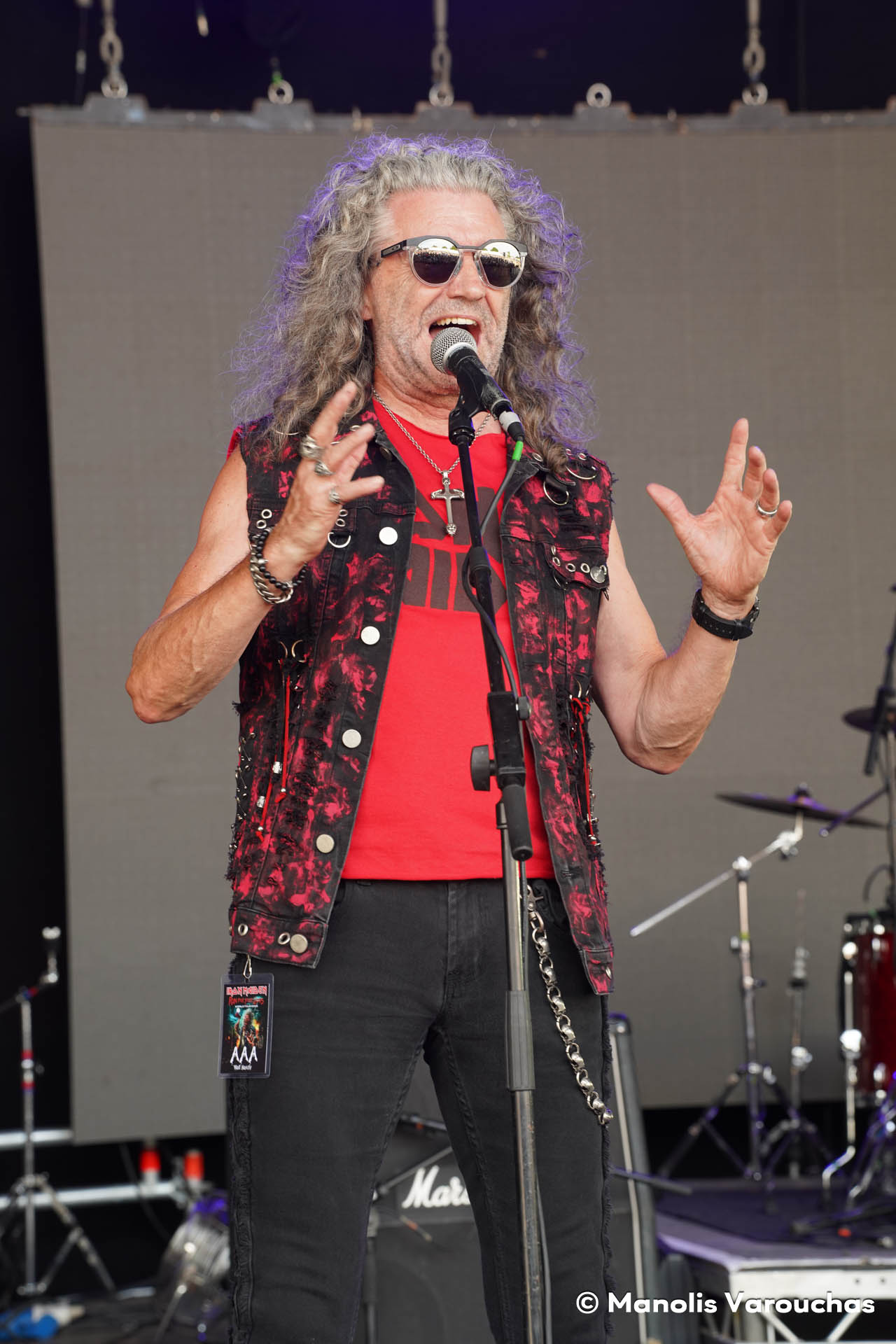
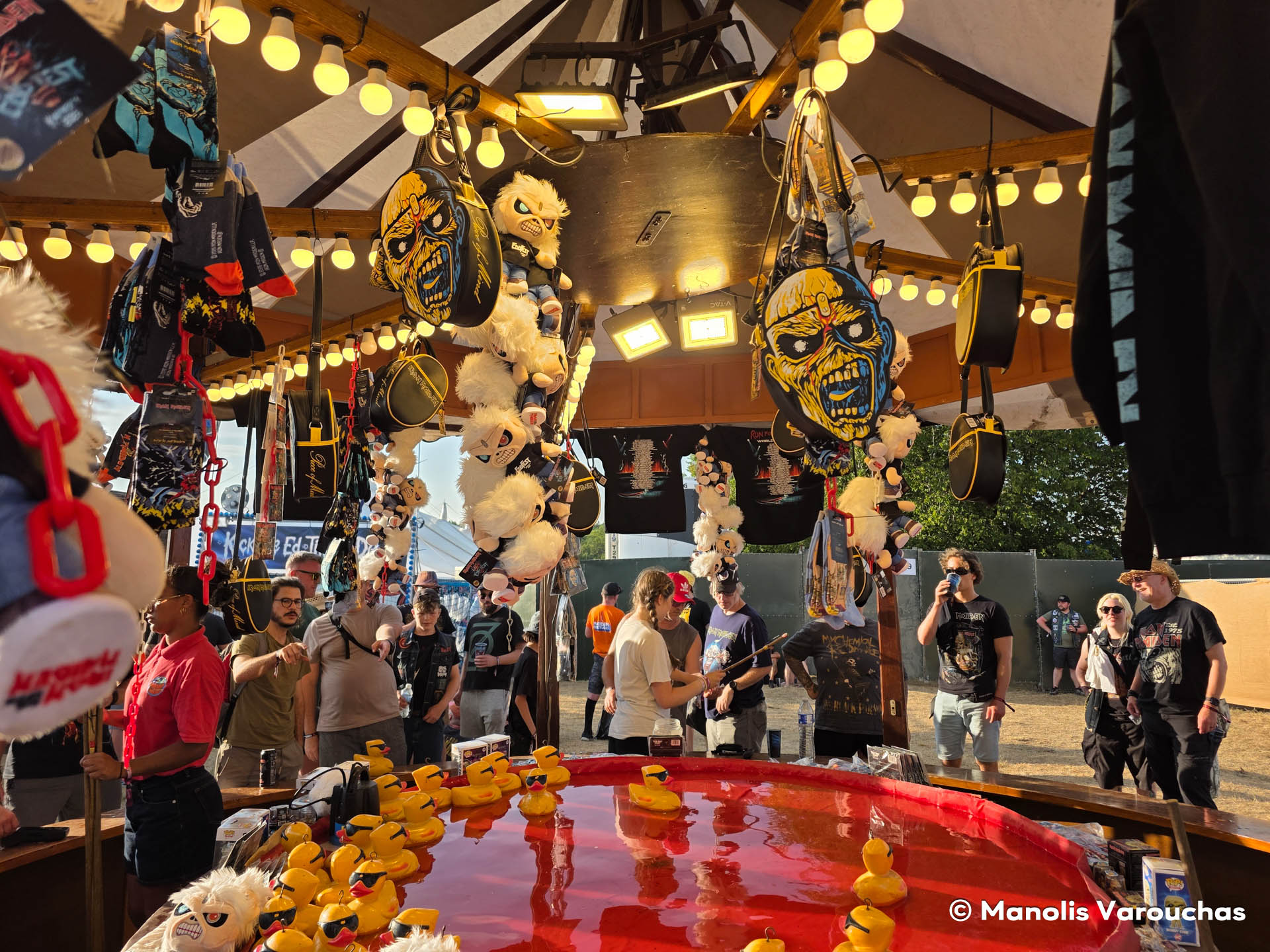
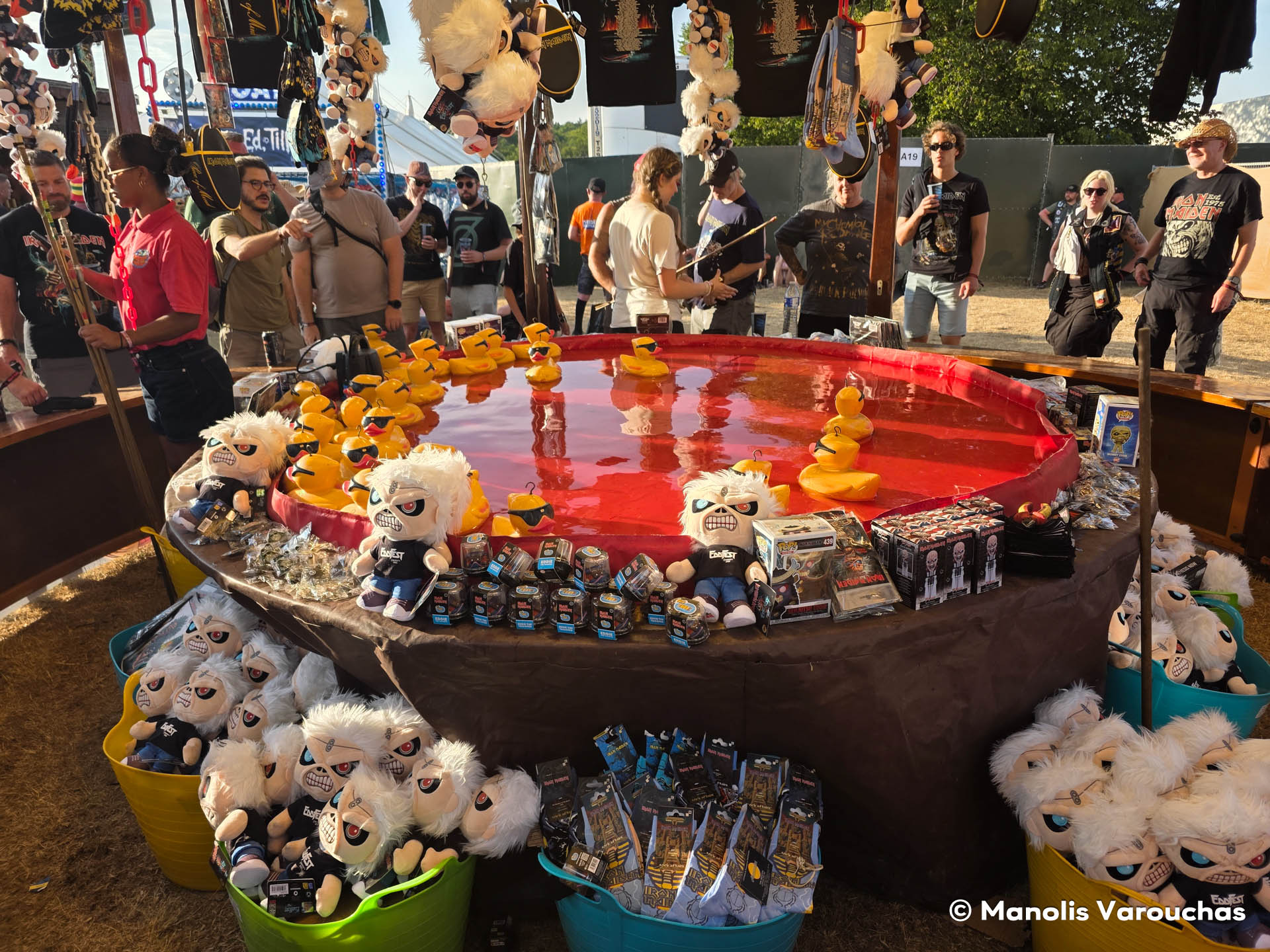
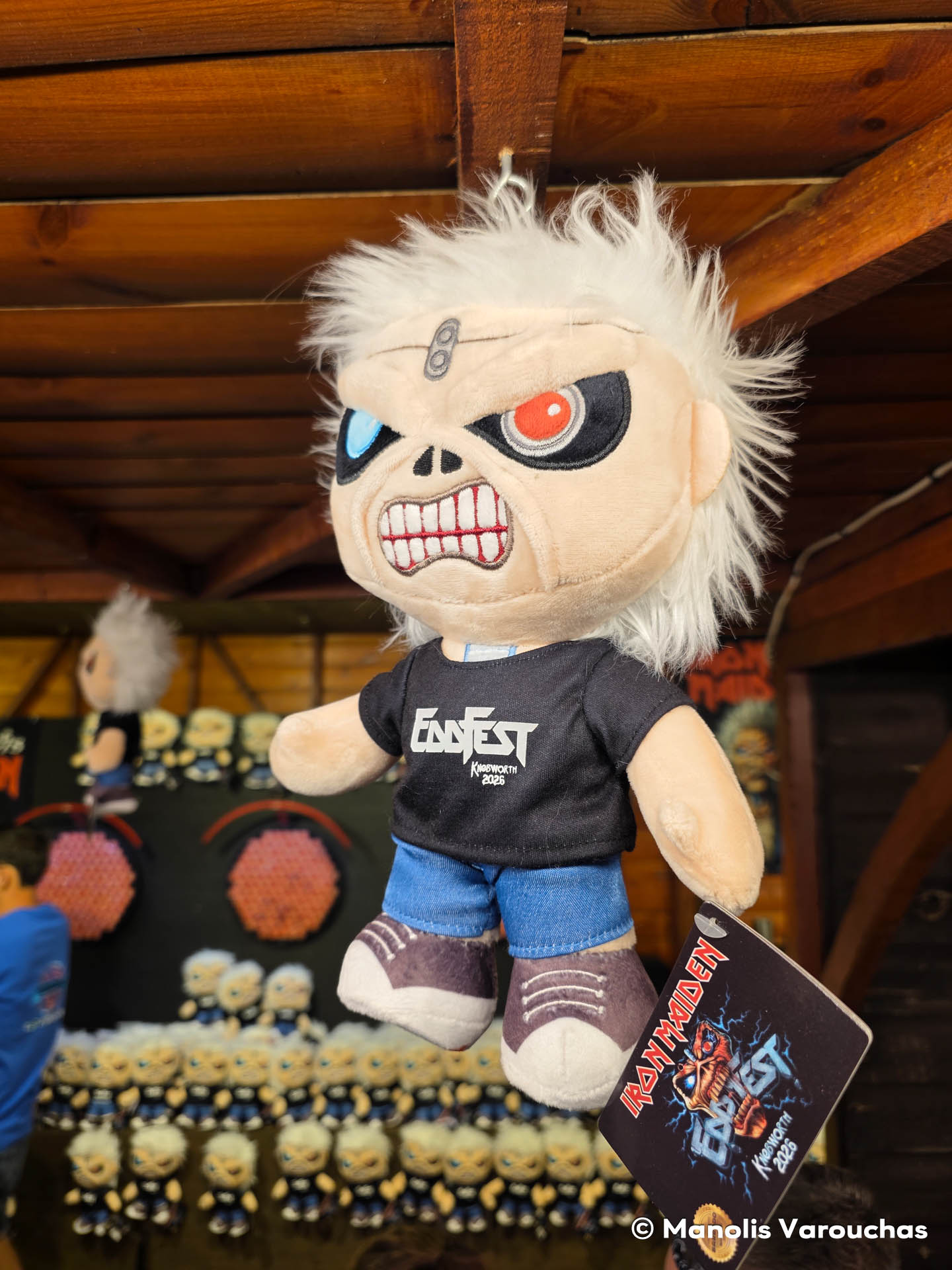
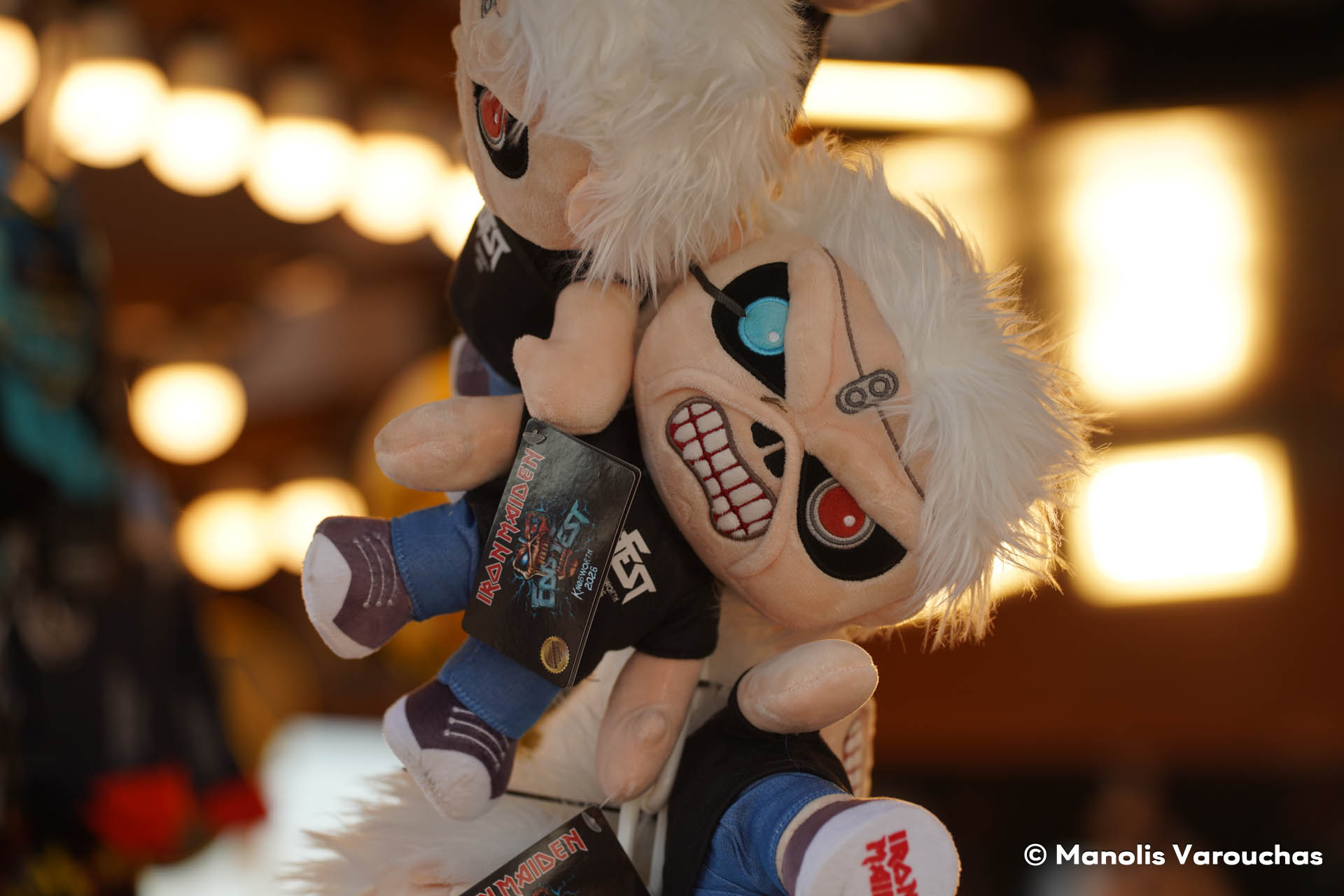
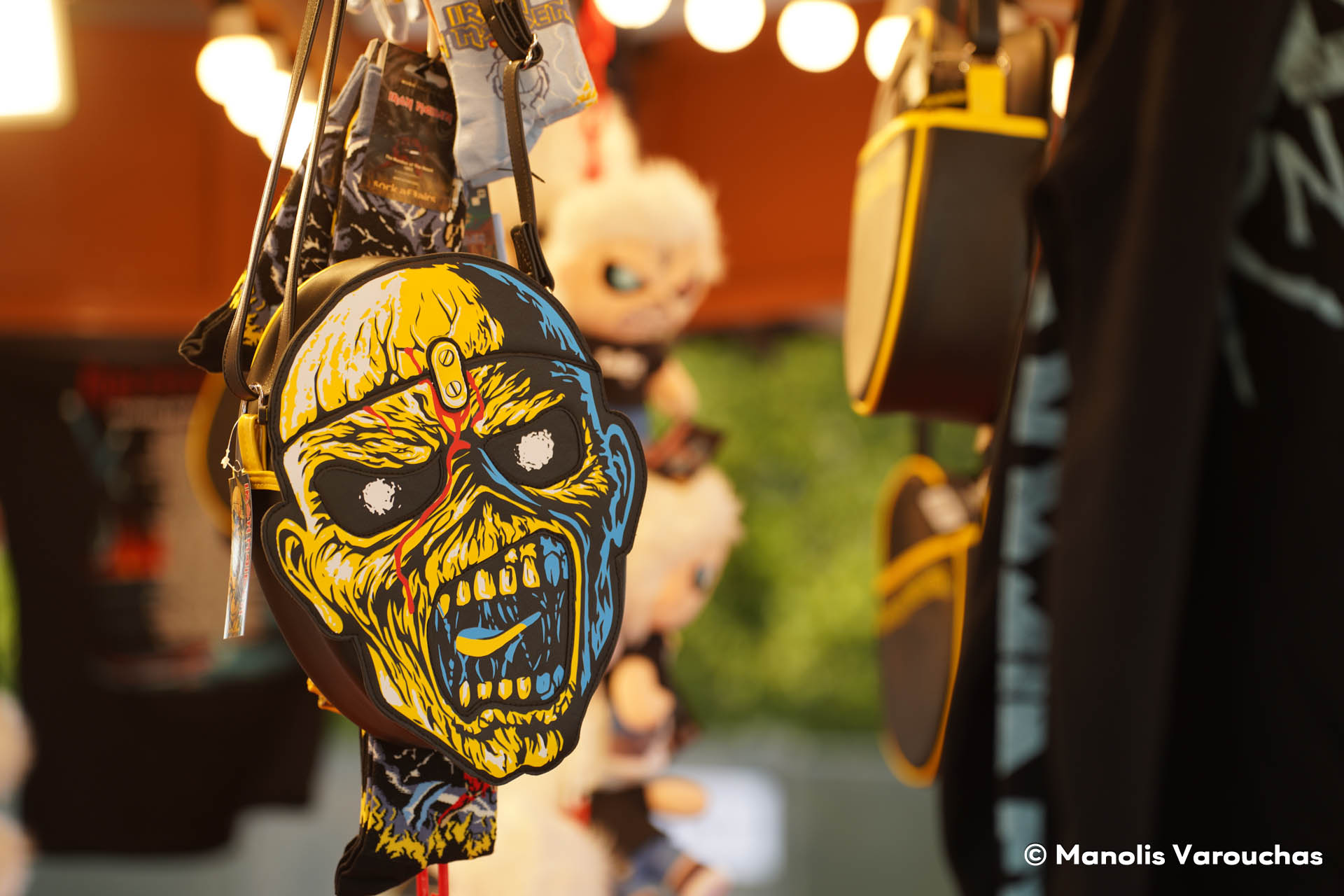
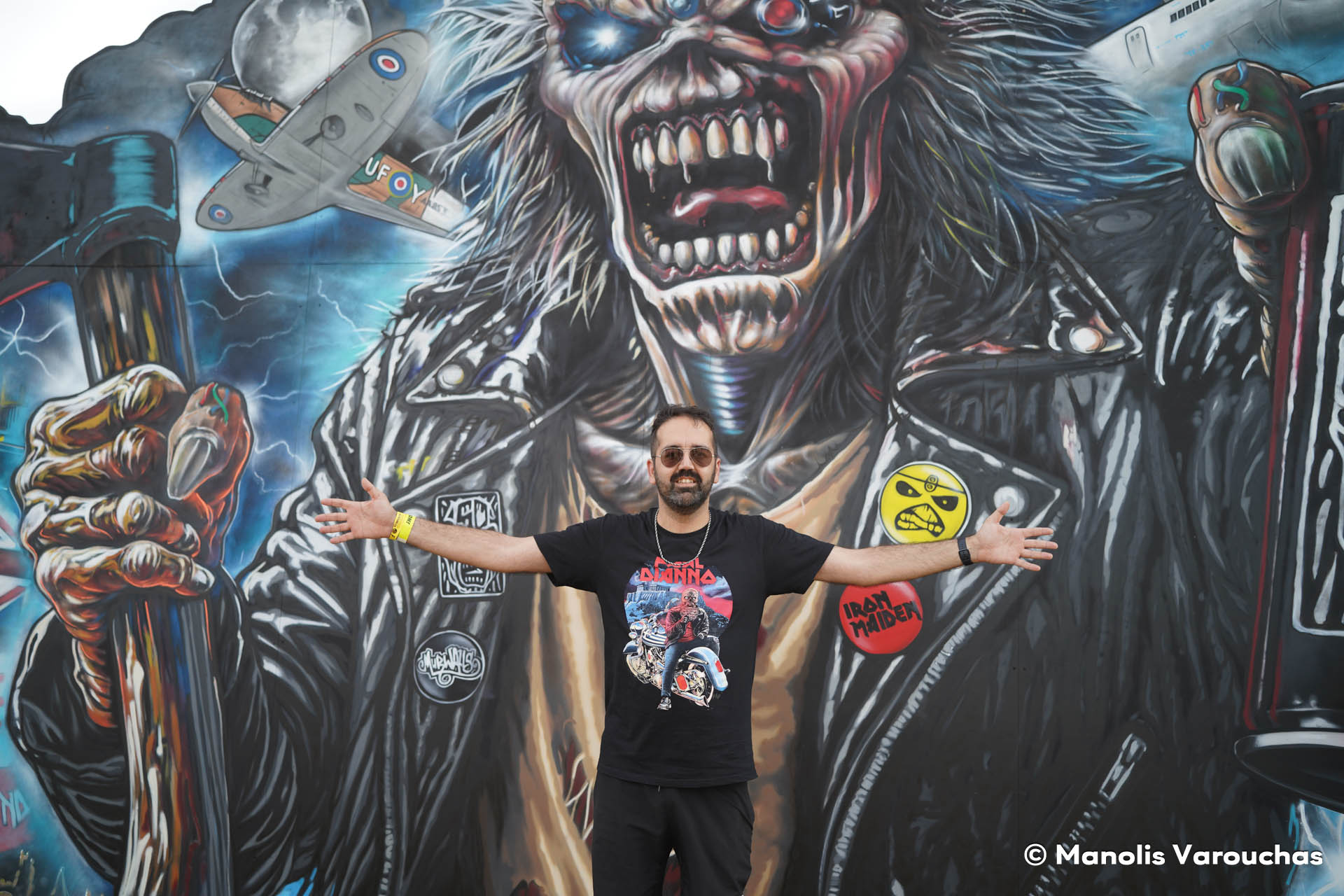
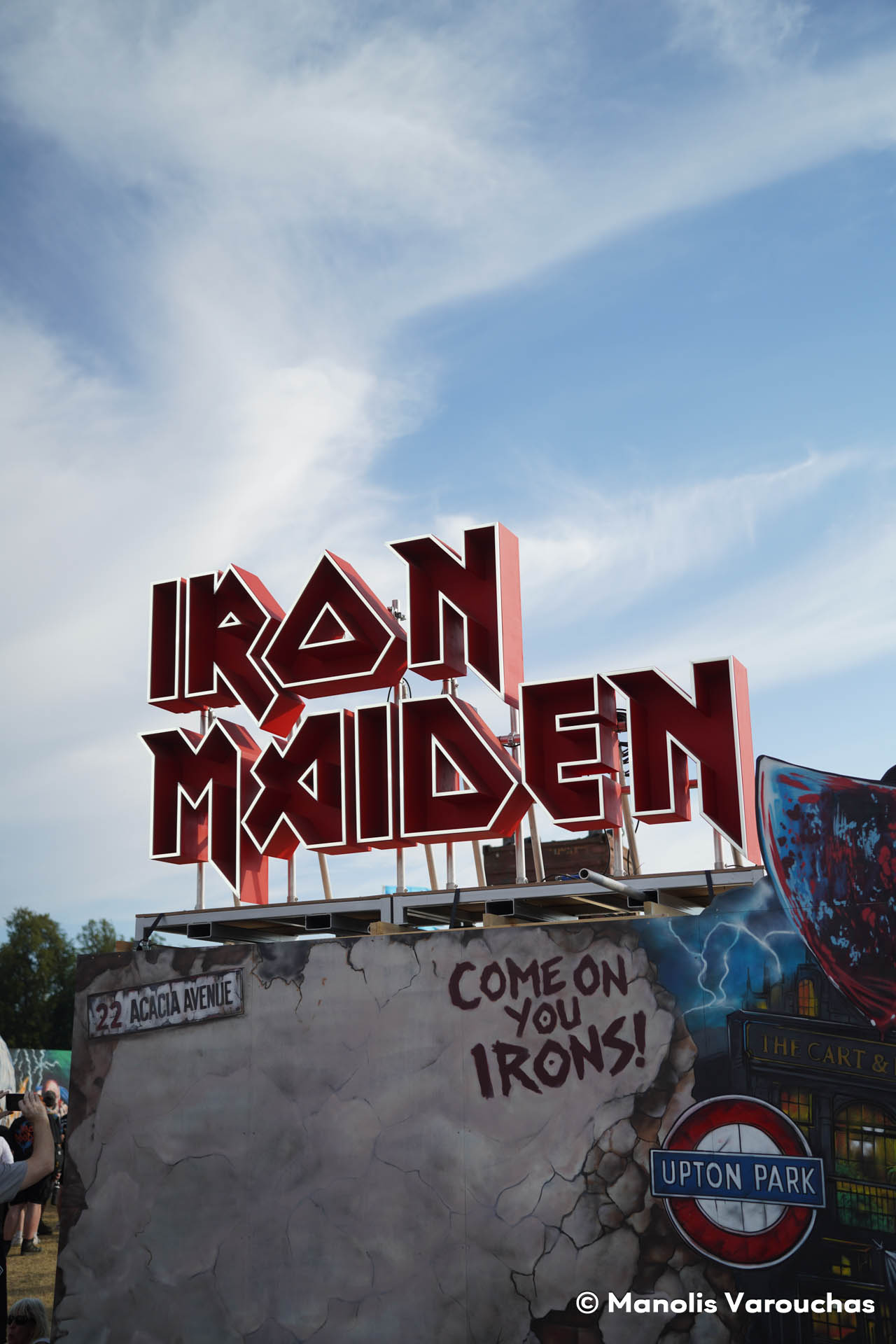
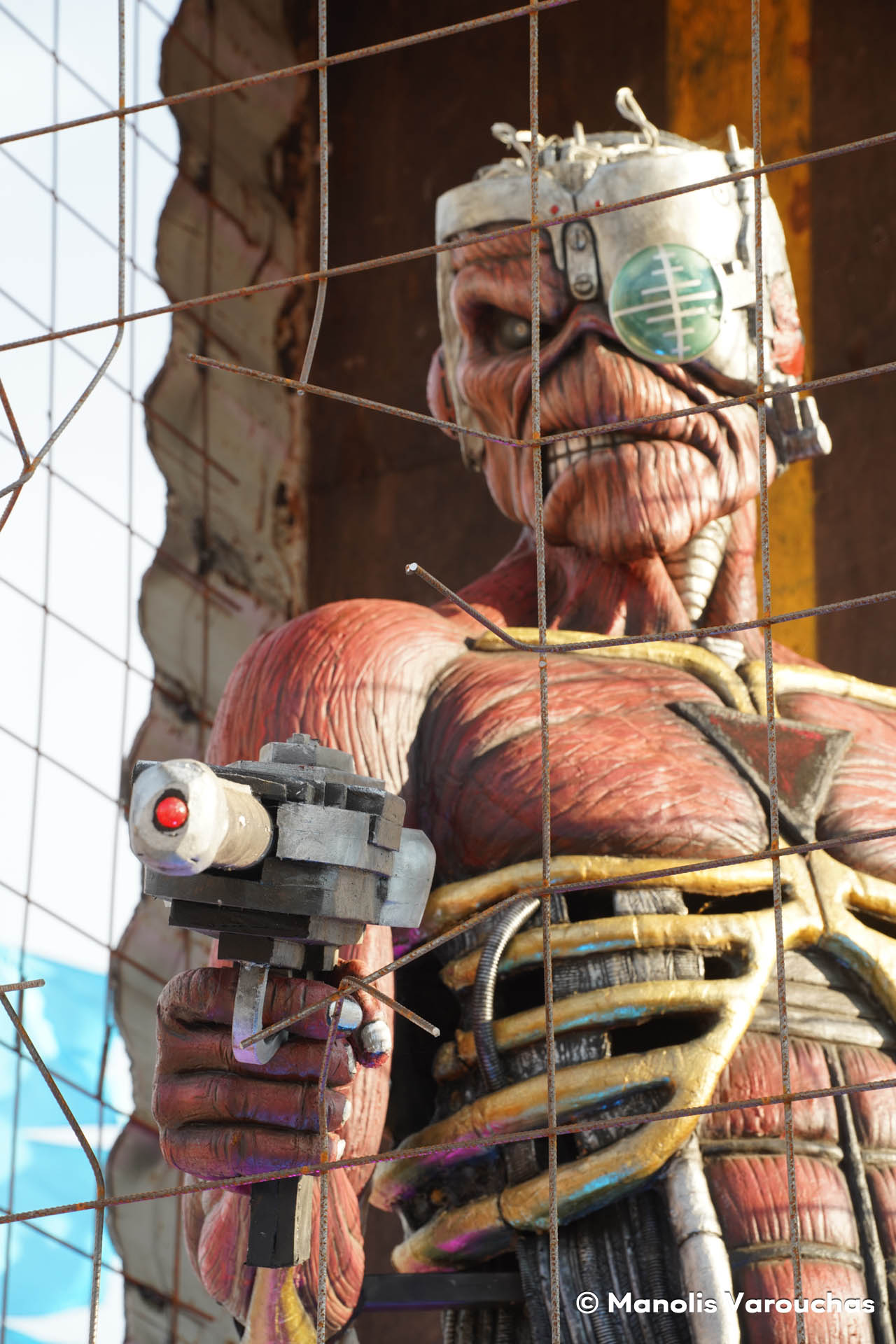
Created to celebrate fifty years of Iron Maiden, the event was never designed to feel like another large outdoor show with a famous headliner attached to it. From the moment the gates opened at Knebworth Park, it was clear that the band had taken over far more than the main stage. This was their mythology expanded across an entire festival site: Eddie on the signs, Eddie on the bars, Eddie on the merchandise, Eddie watching from virtually every corner.
For one weekend, Knebworth became Maiden territory.
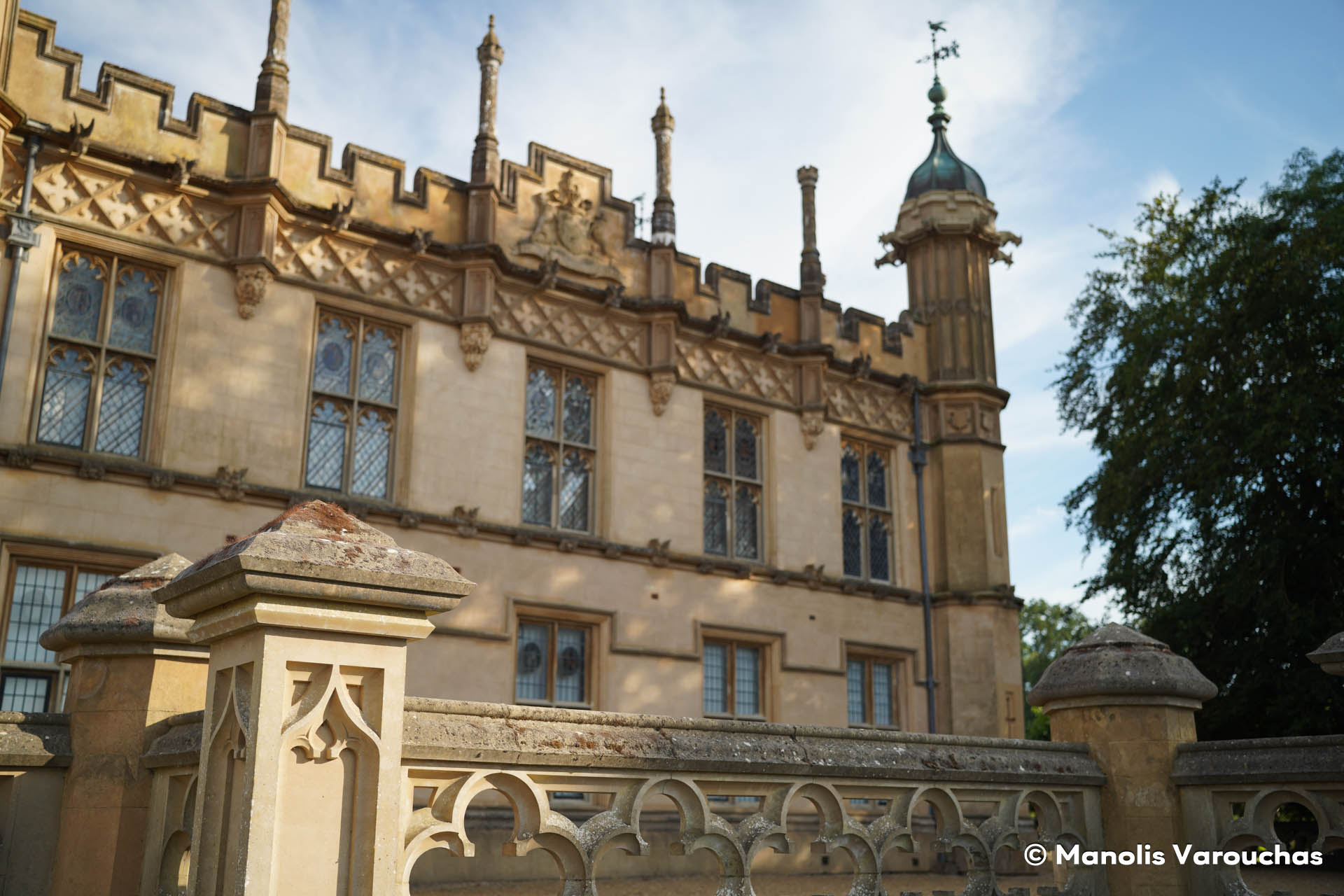
It was an appropriate setting. The historic grounds have hosted some of the largest names in British rock, from Pink Floyd and Led Zeppelin to Queen, The Rolling Stones and Oasis. Yet Eddfest felt less like Iron Maiden joining that history and more like the band planting its own flag firmly into the ground.
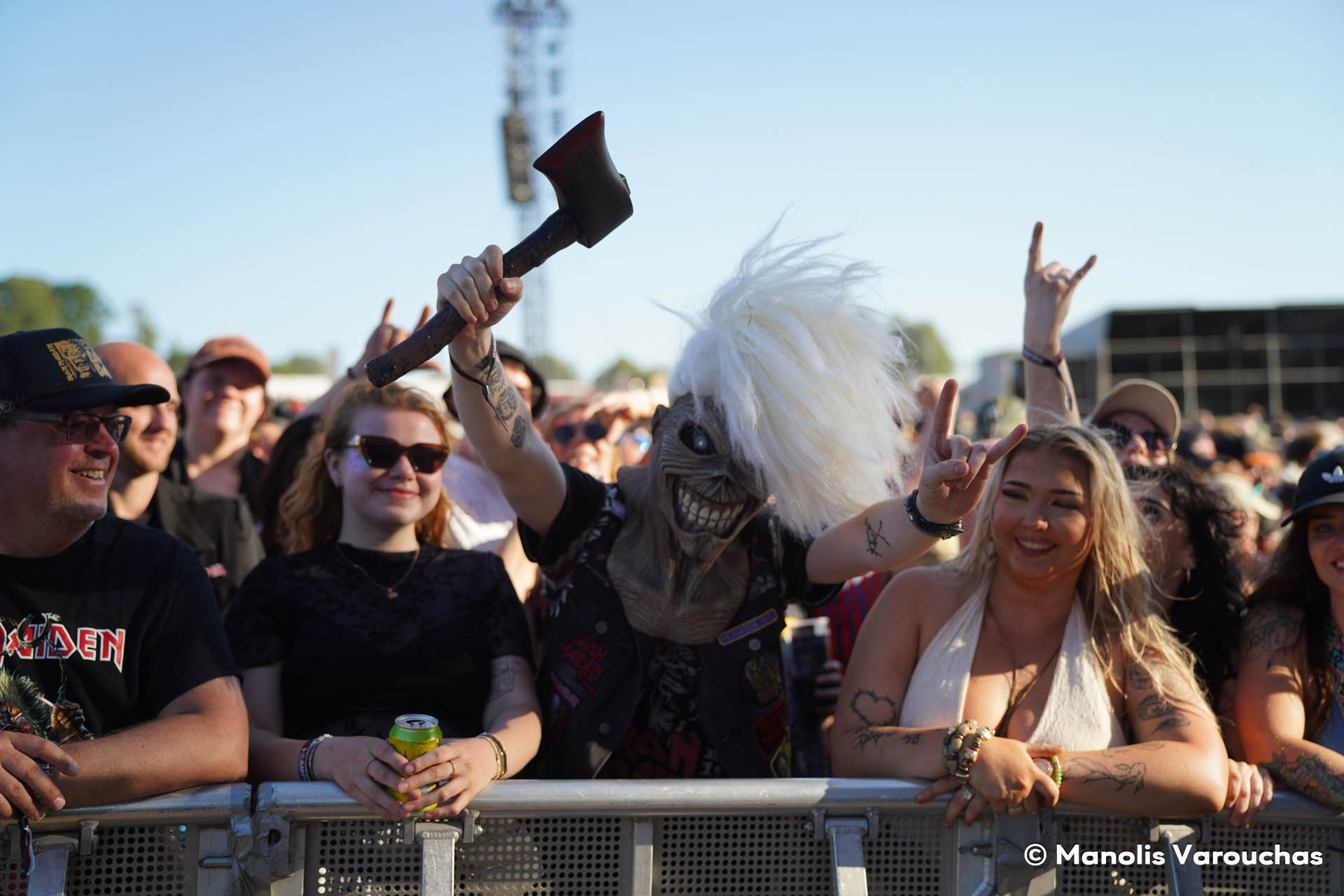
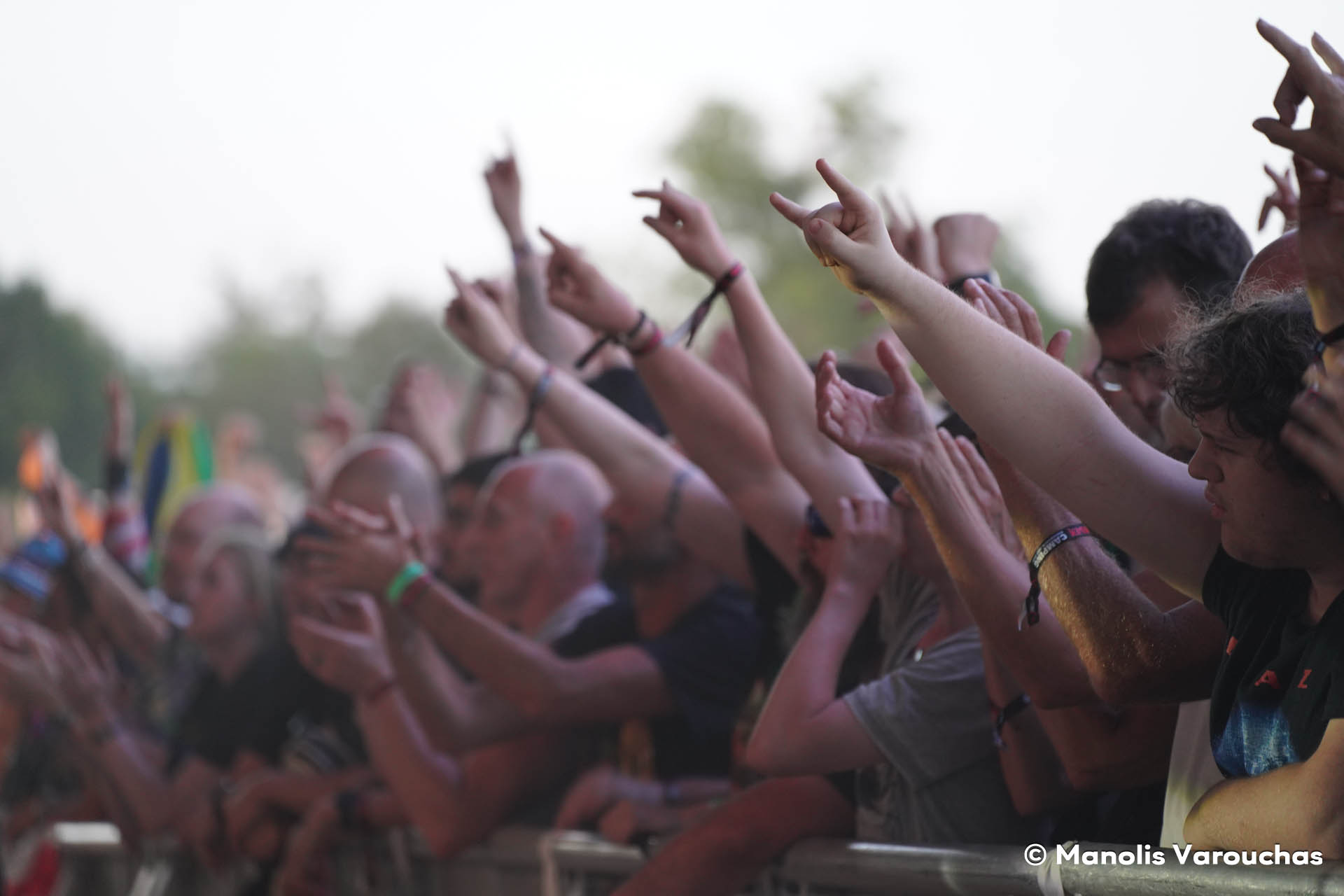
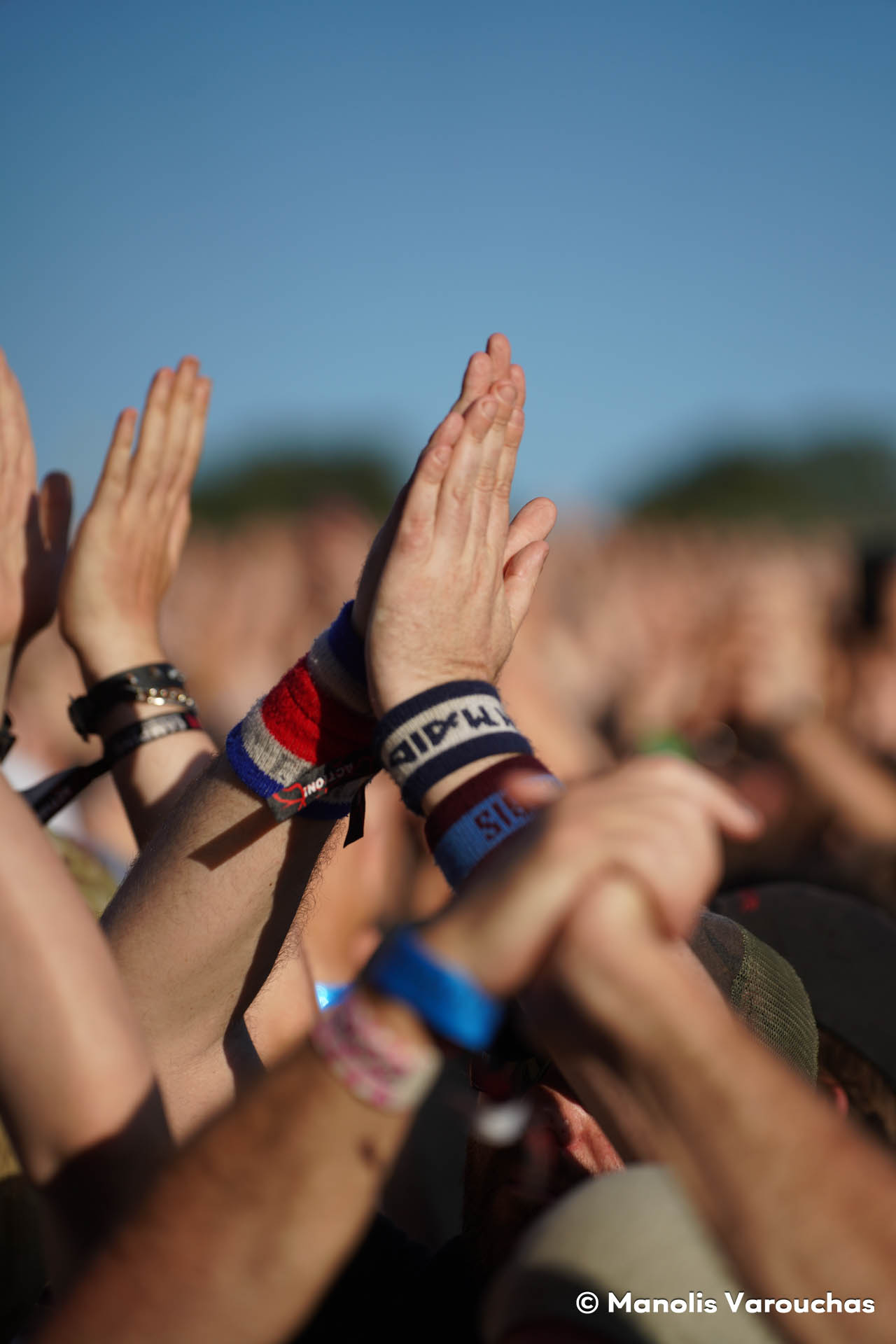
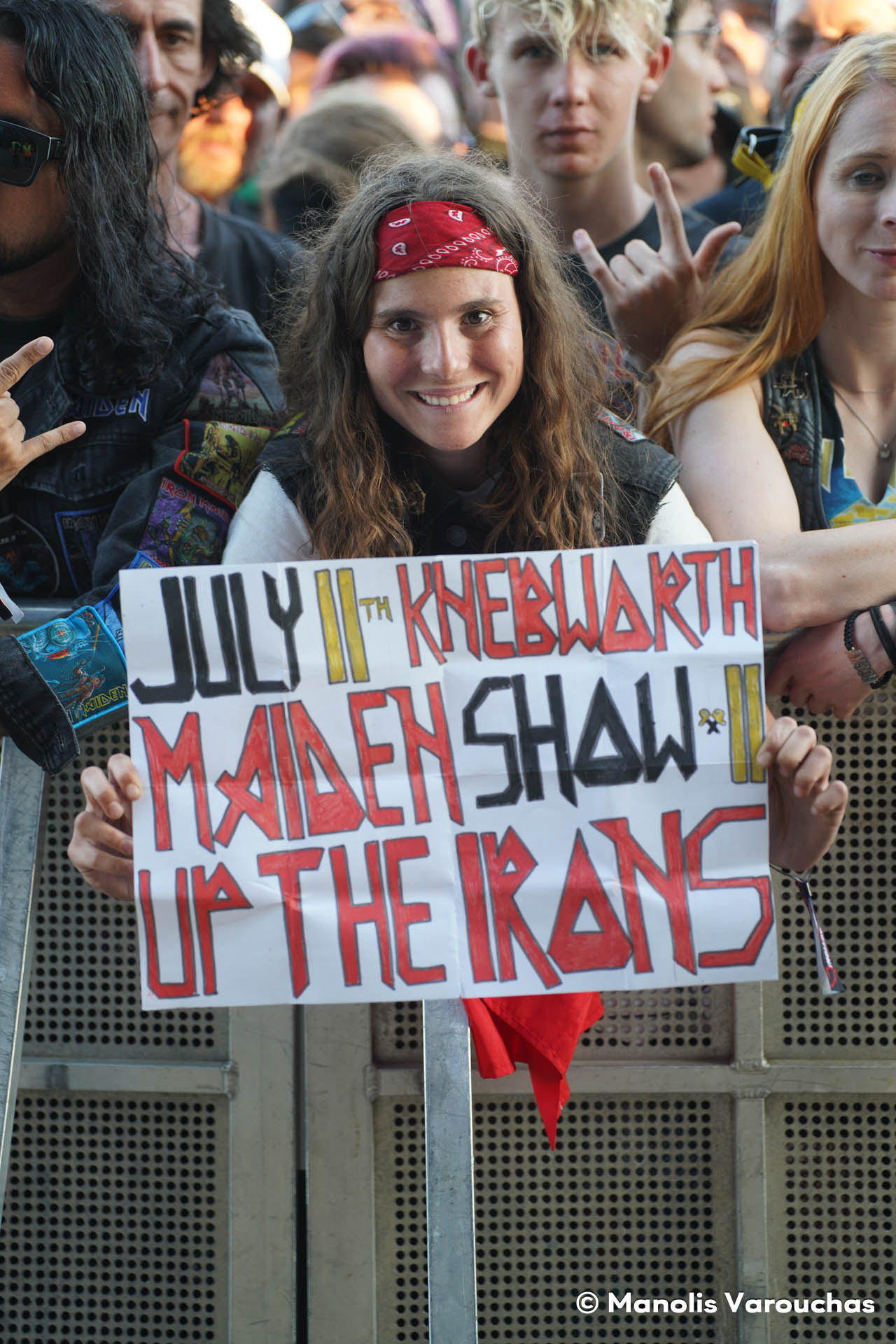
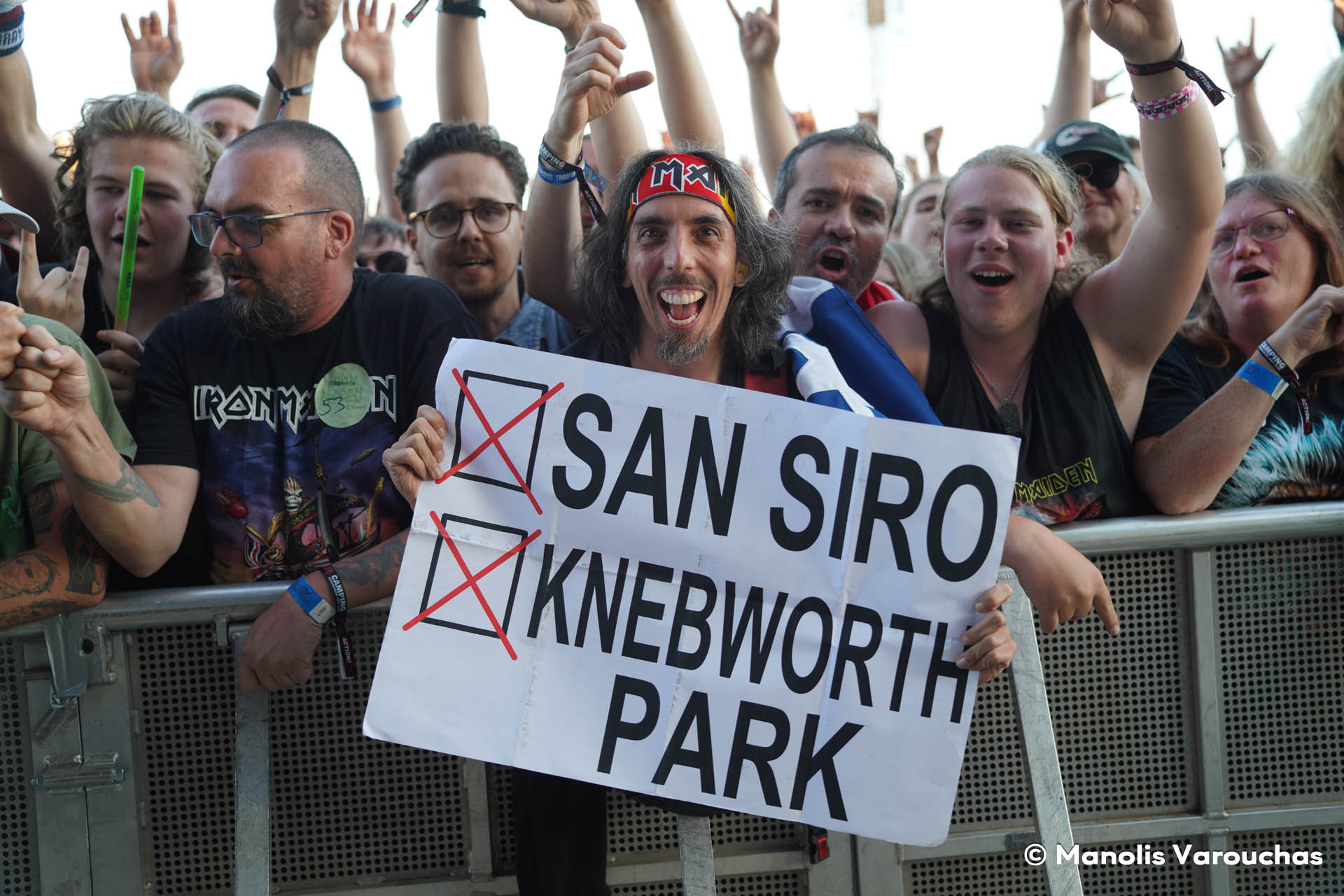
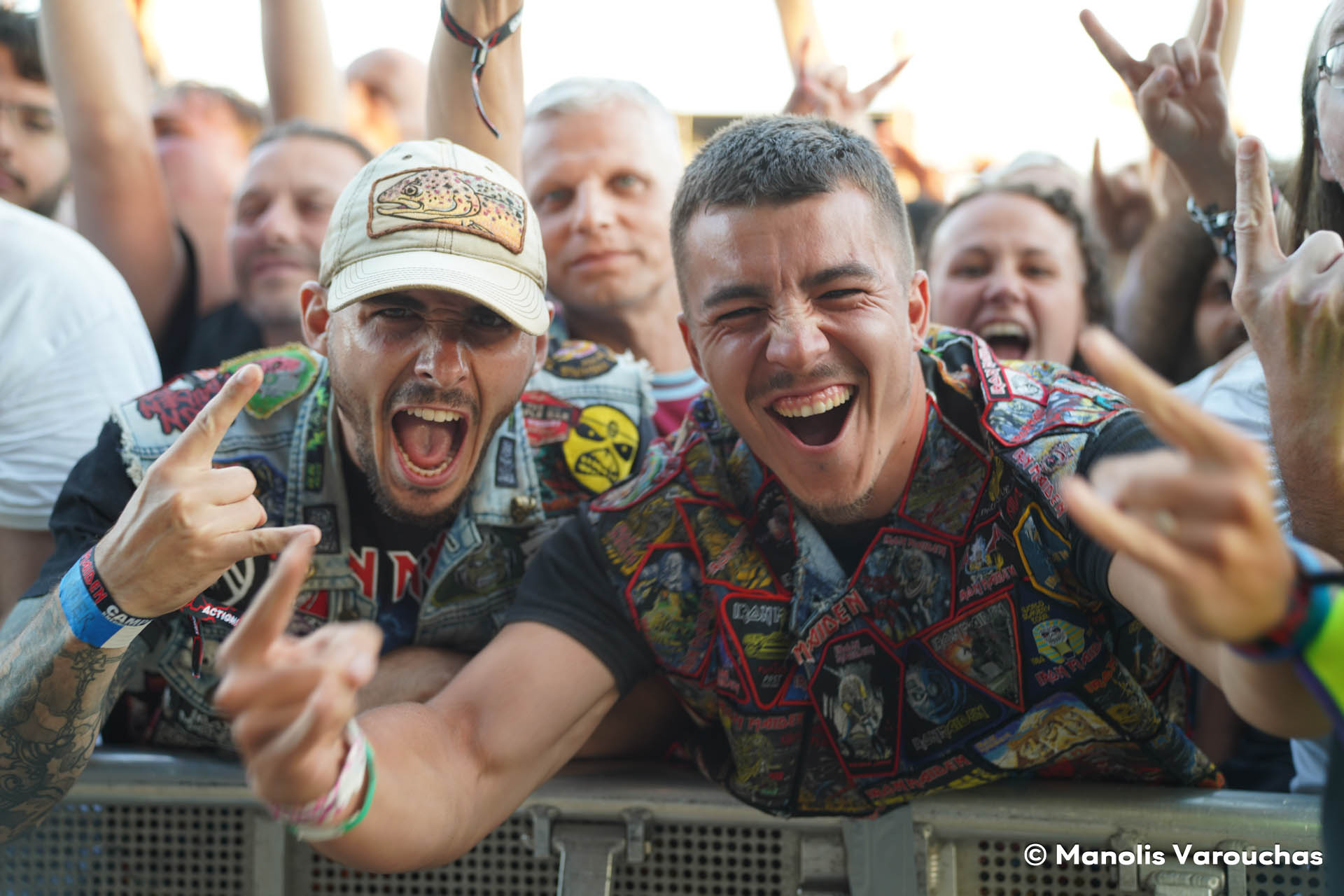
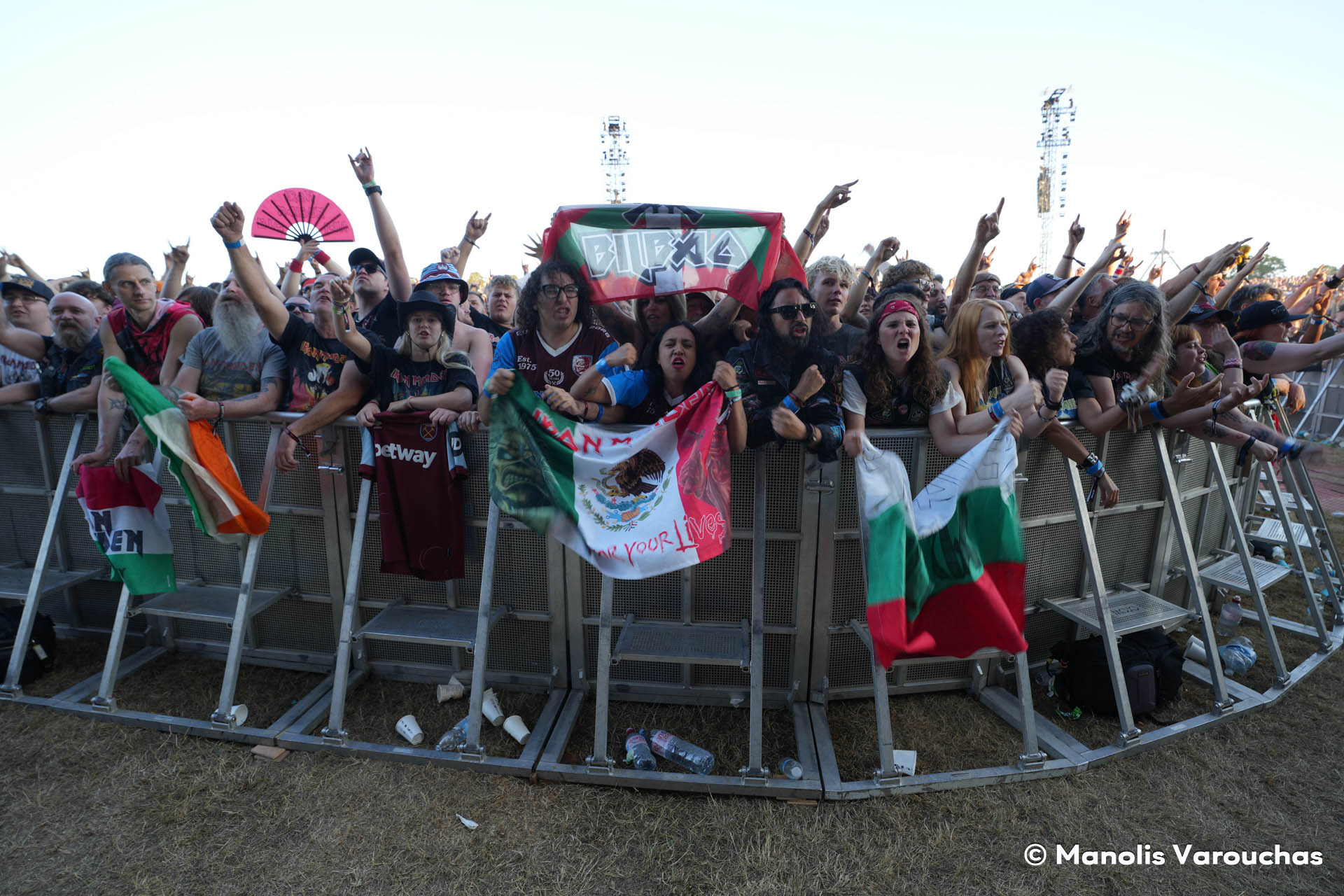
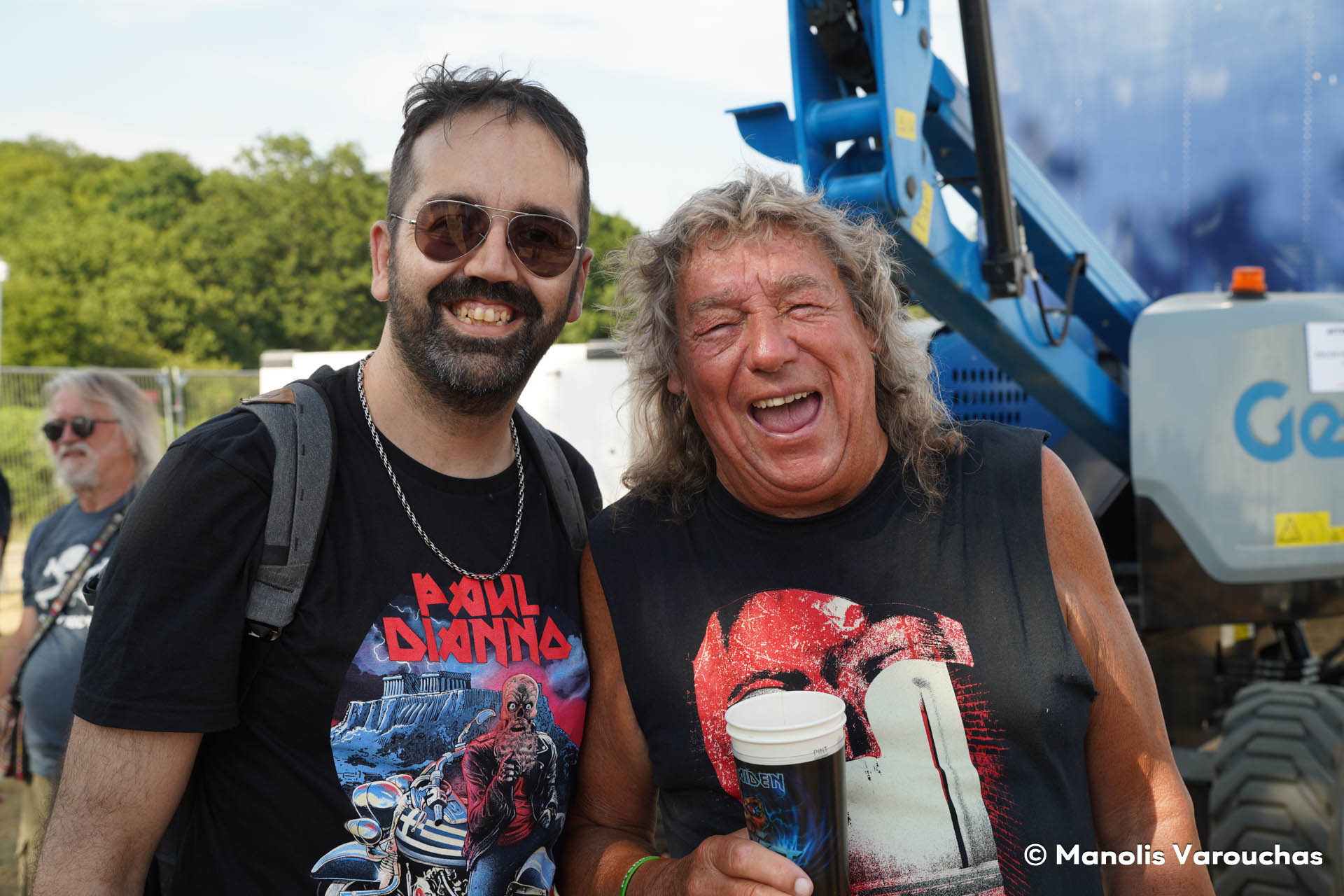
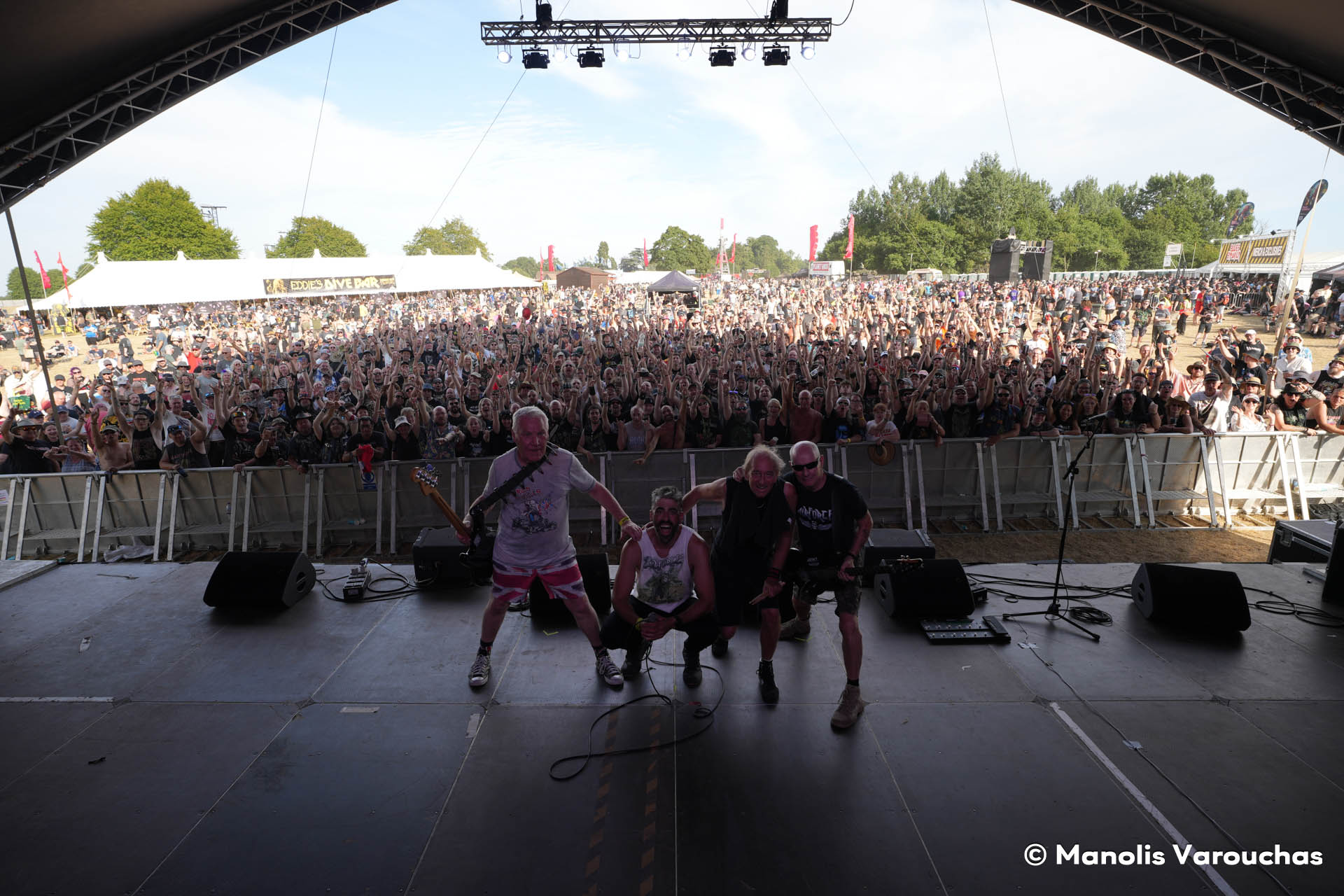
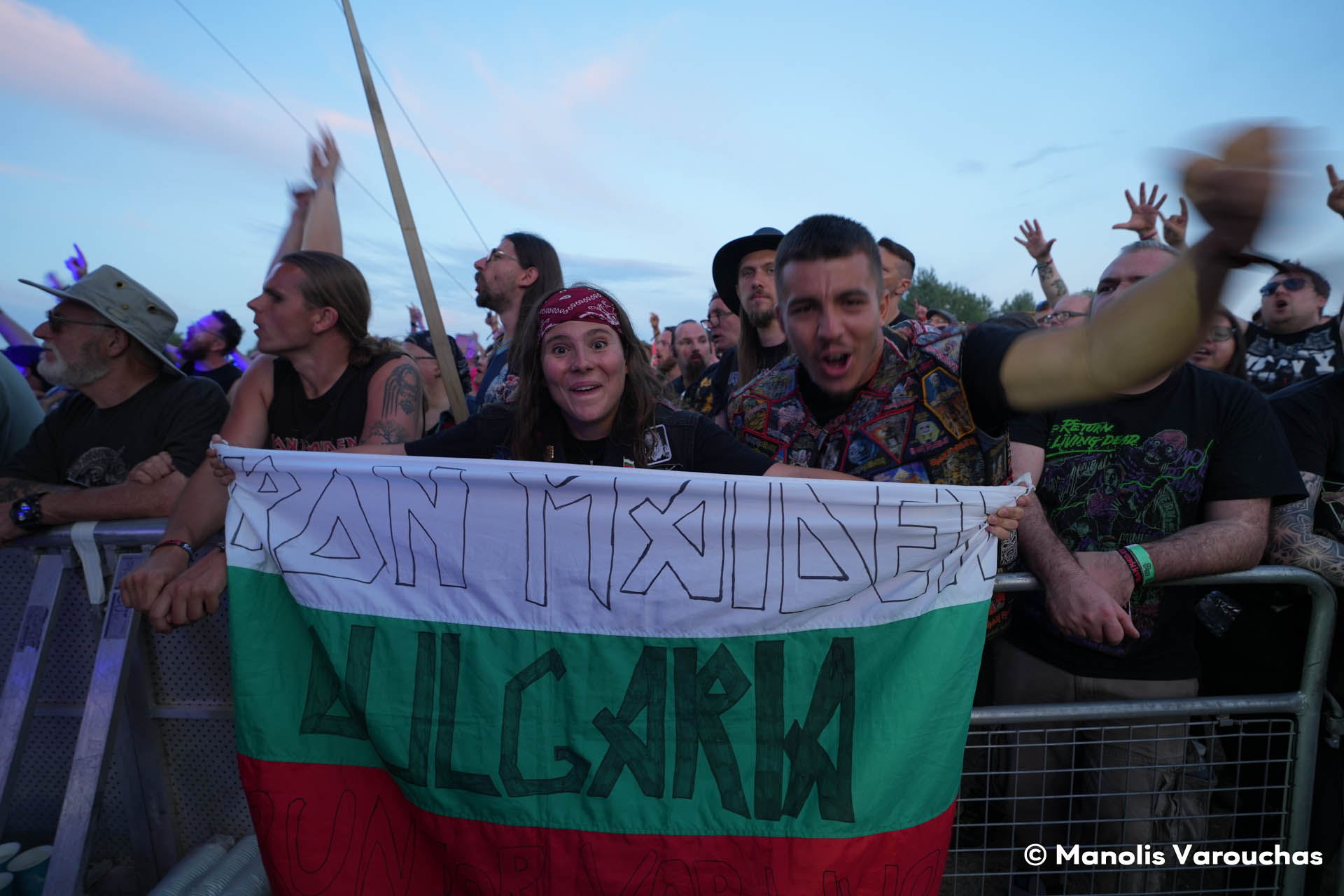
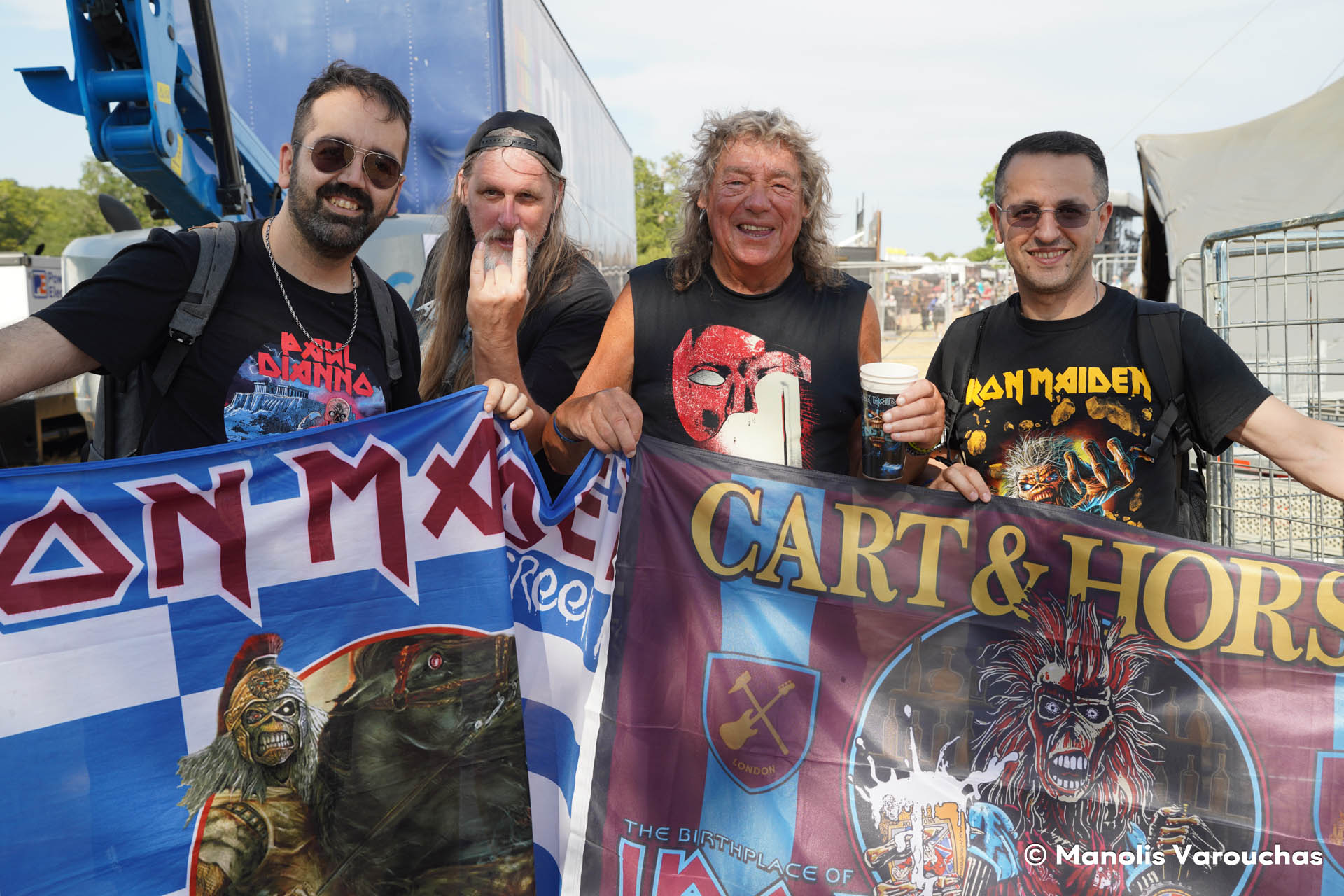
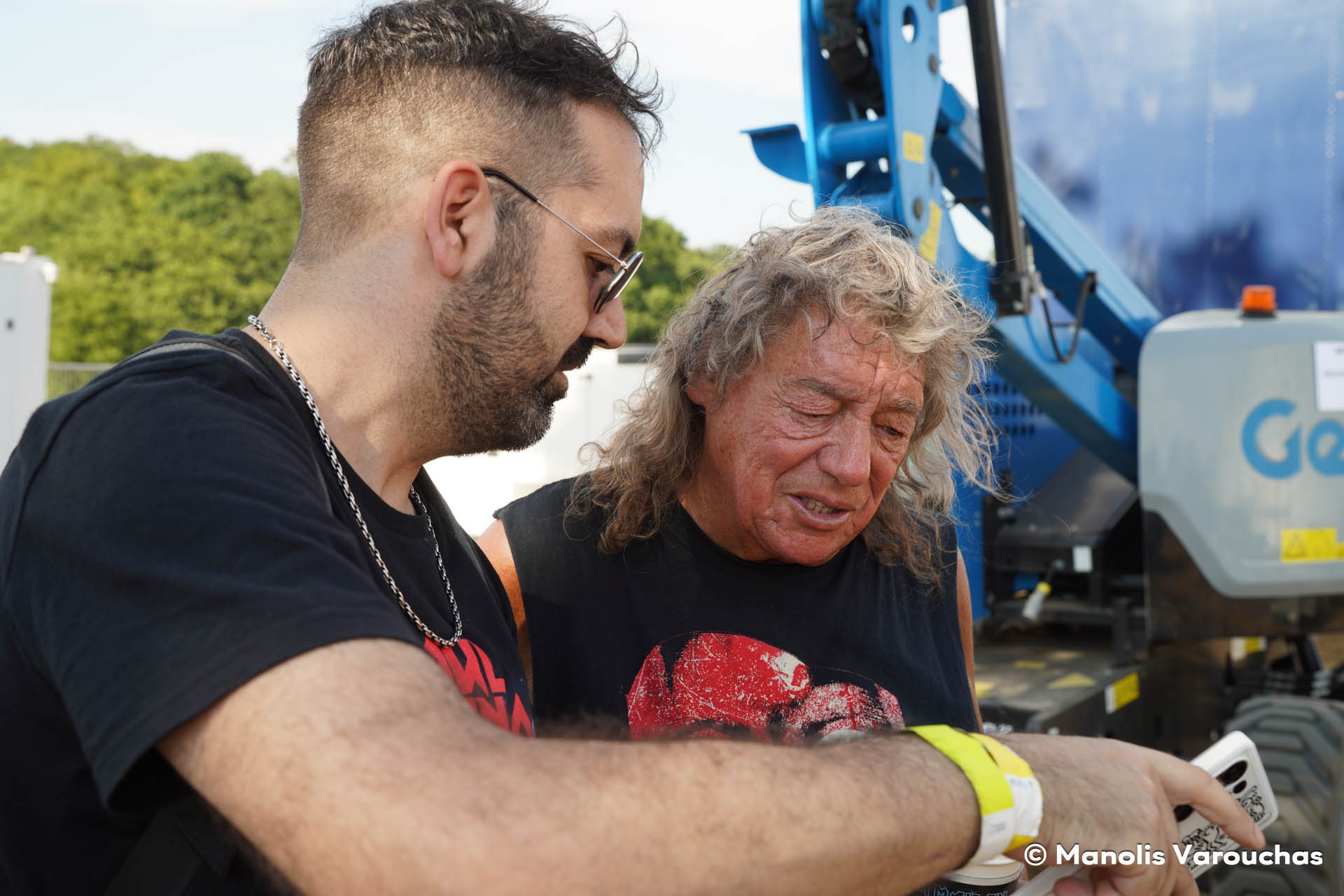
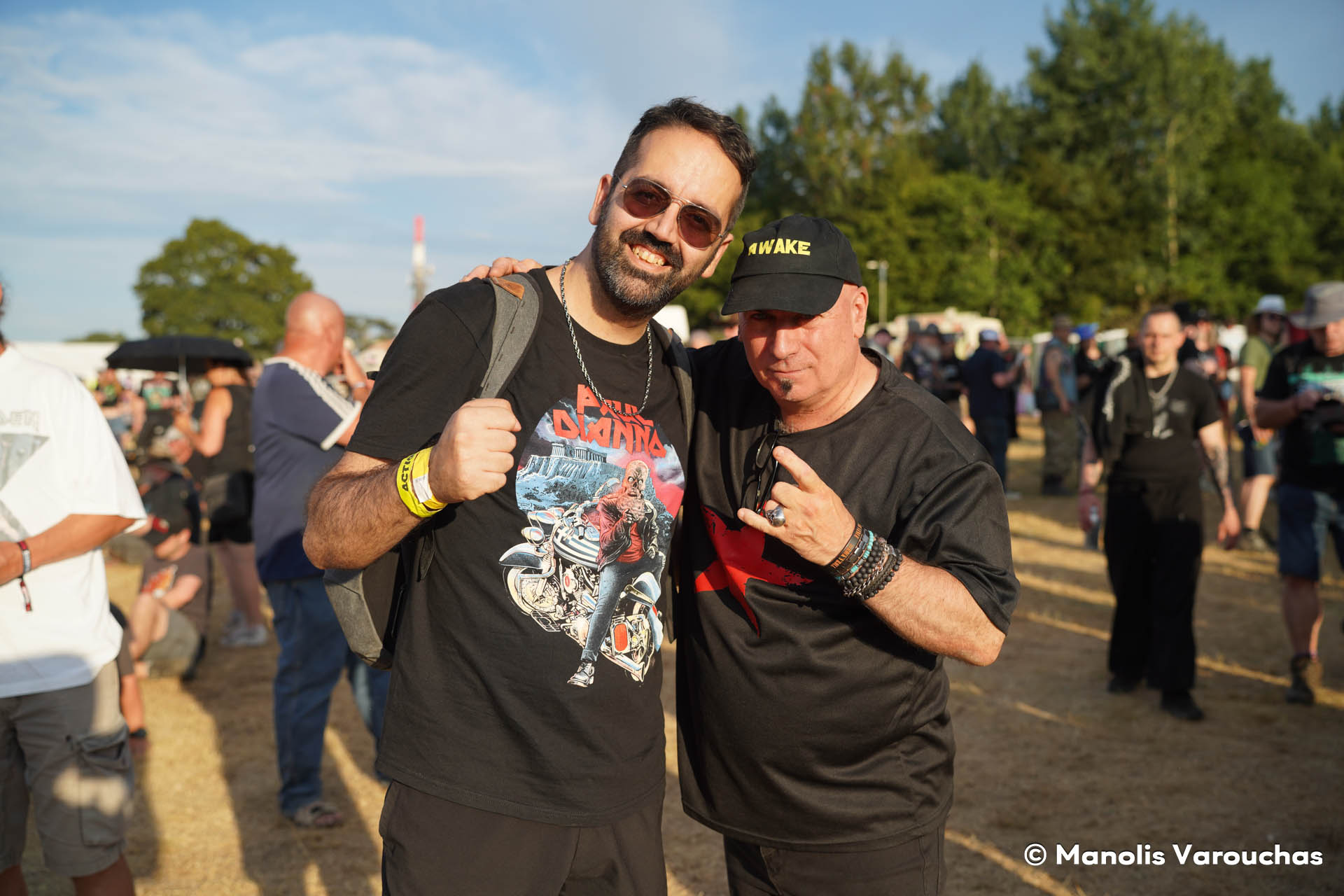
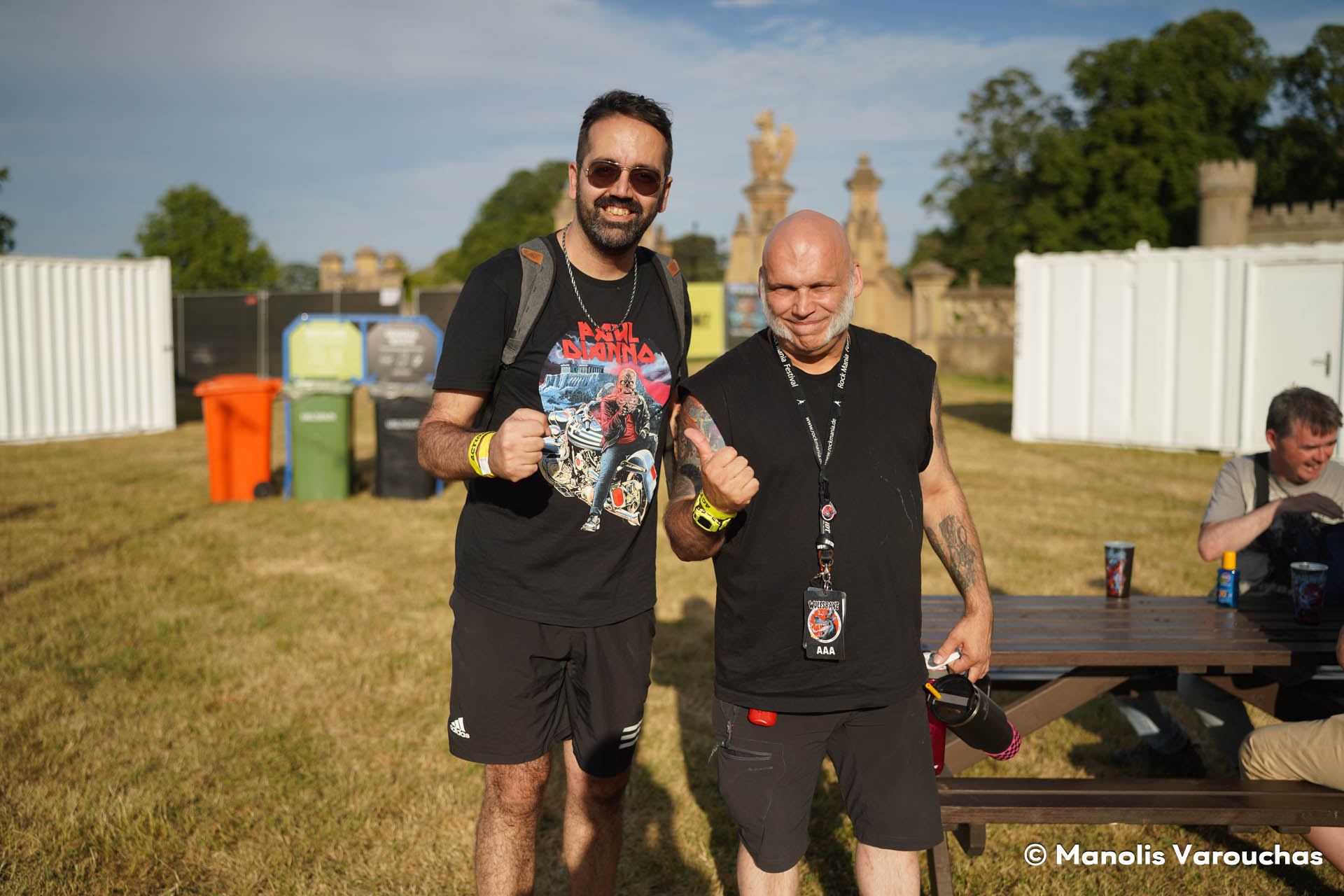
Around 50,000 fans arrived for the main day, many wearing shirts from different tours, albums and decades. Walking through the crowd was like moving through a visual archive of the band’s career. Somewhere between the faded shirts from the 1980s, the newer tour designs and the countless incarnations of Eddie, several generations of heavy metal fans had gathered in the same field.
Welcome to Maidenville
The festival’s greatest success was the way it extended beyond the performances.
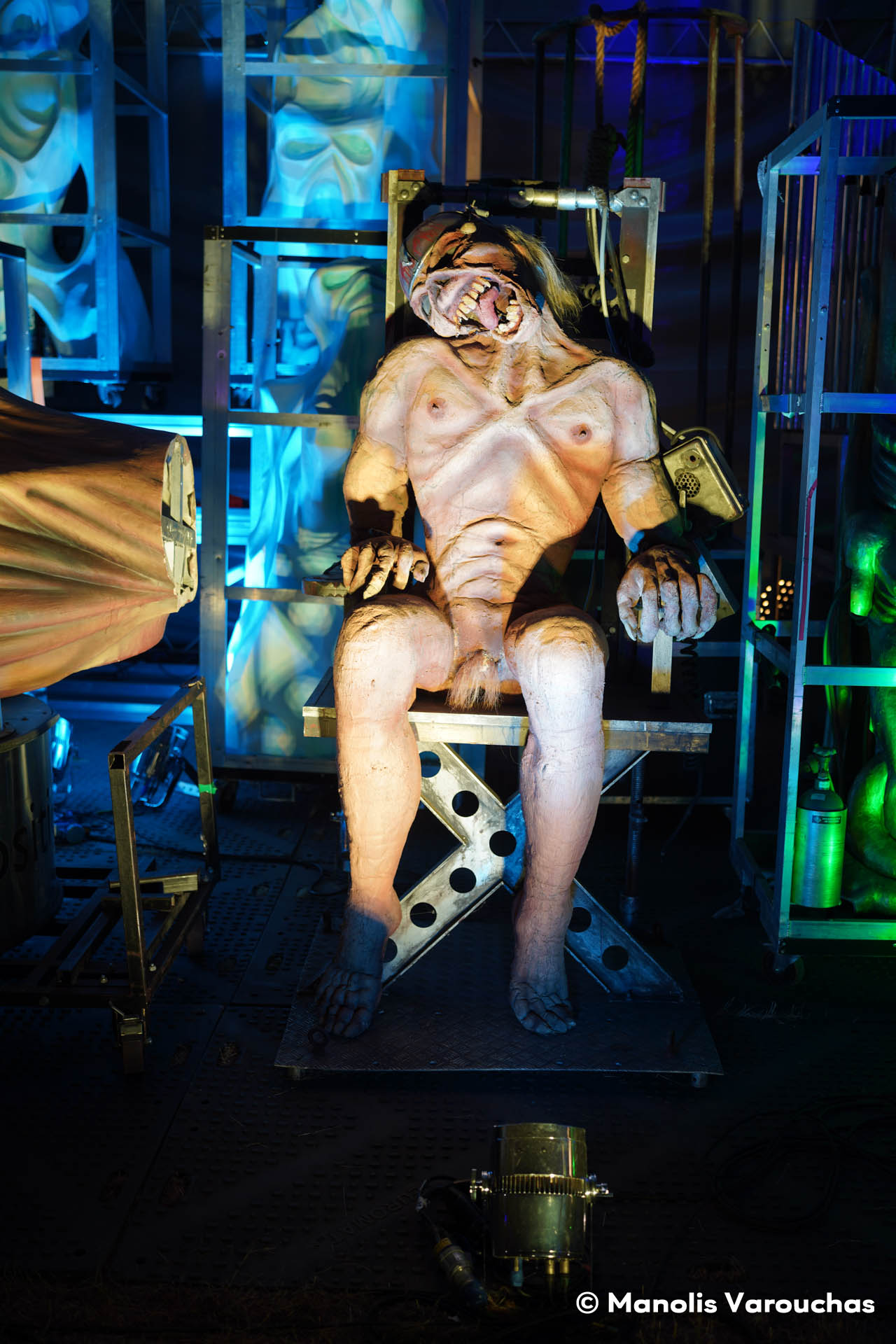
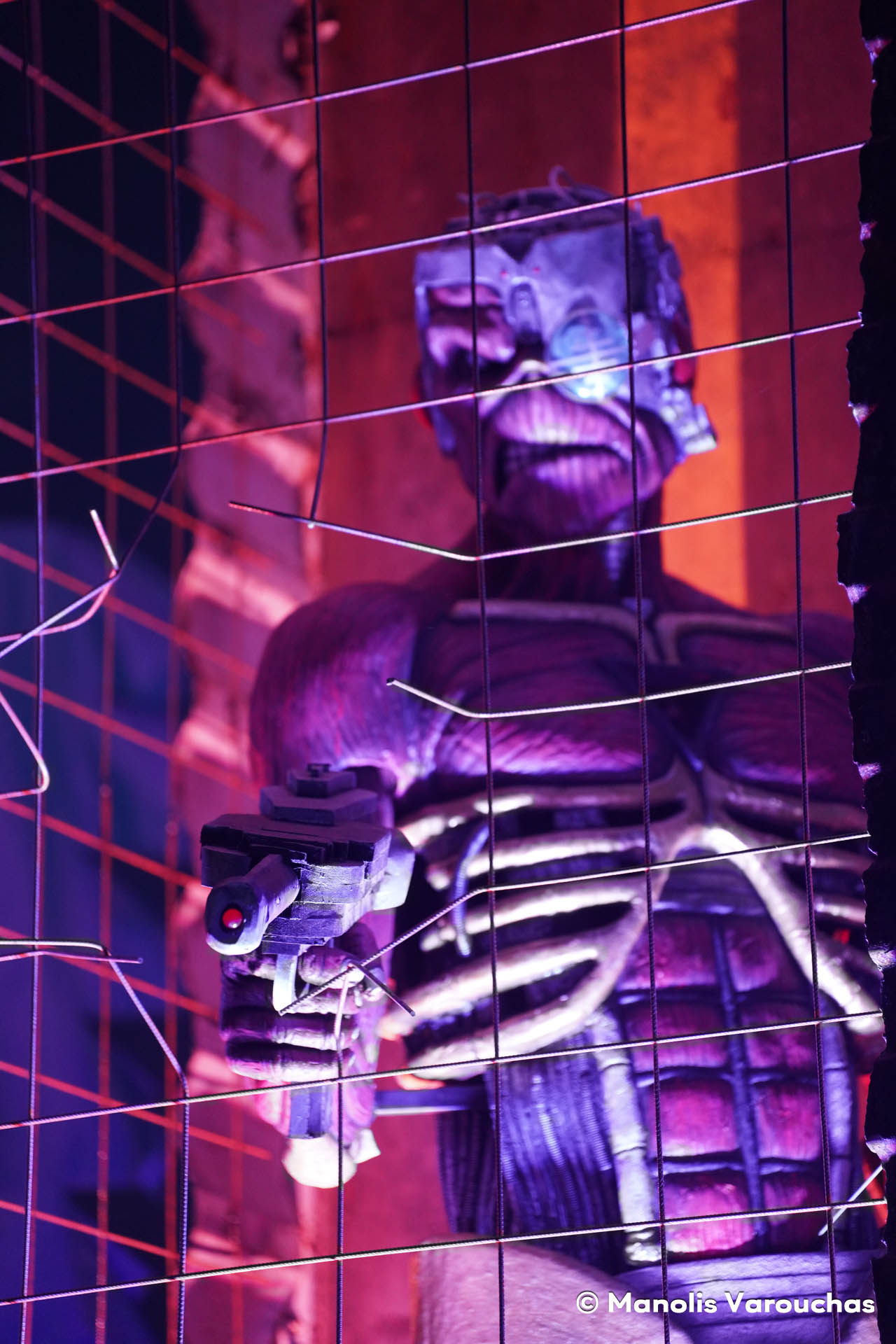
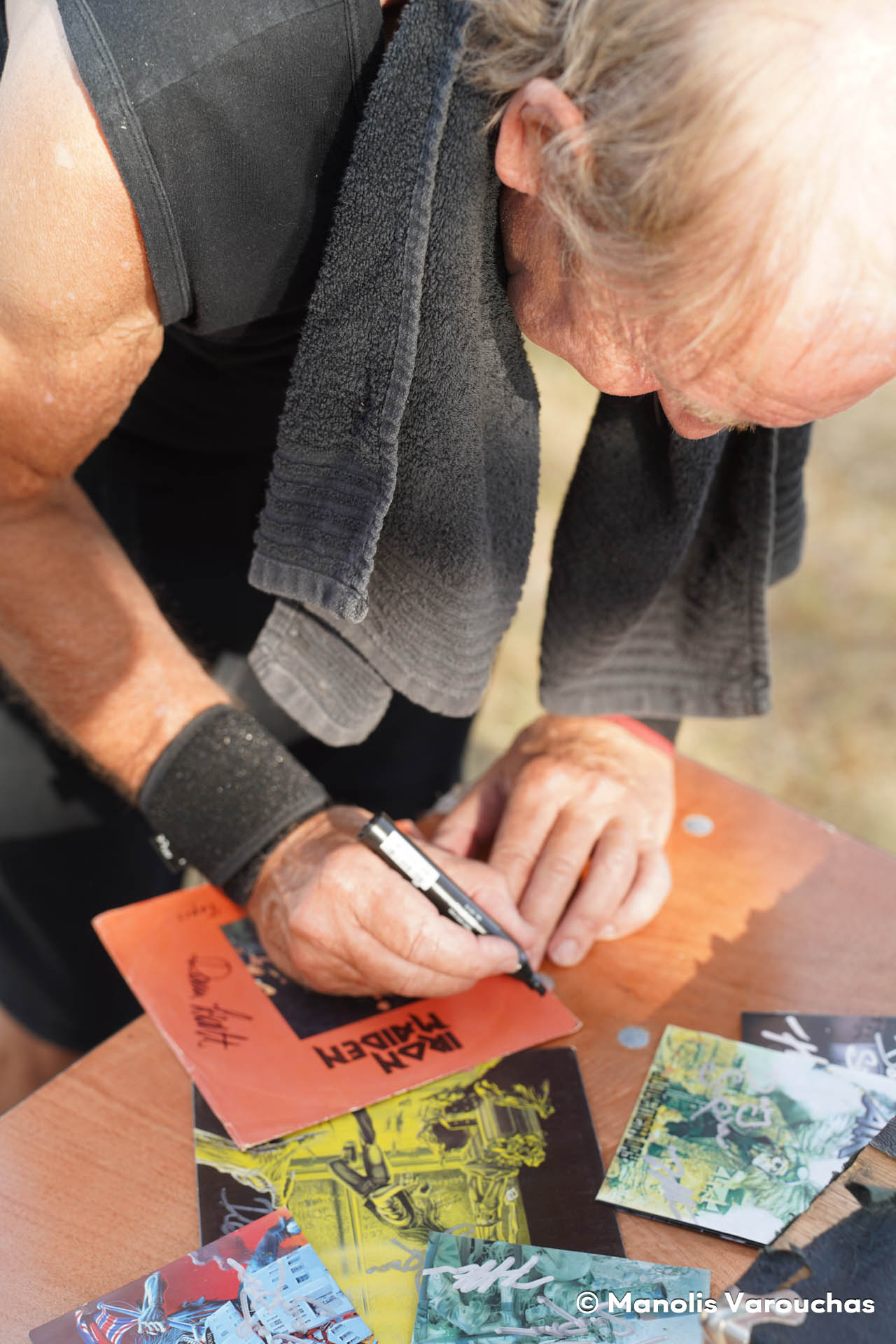
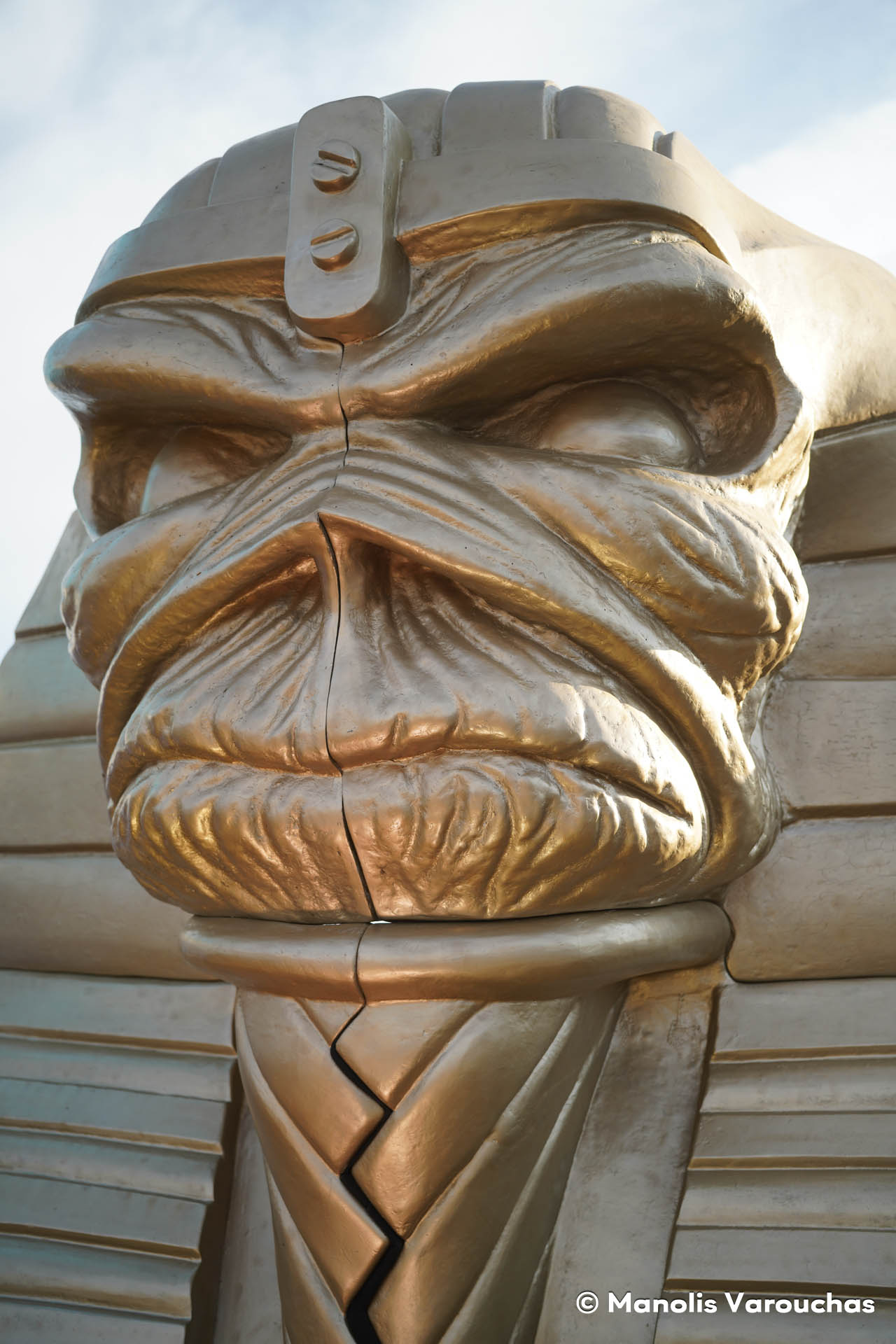
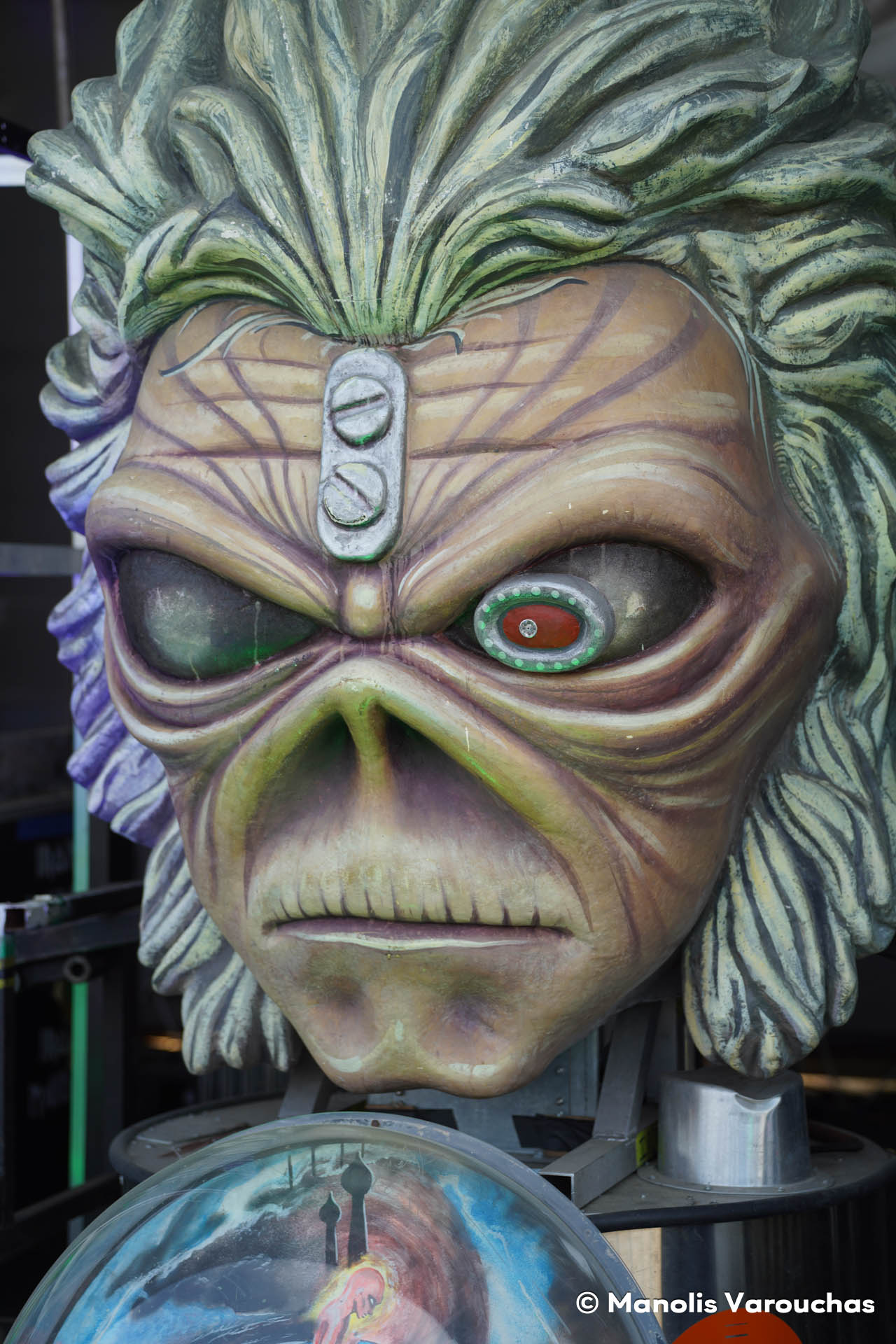
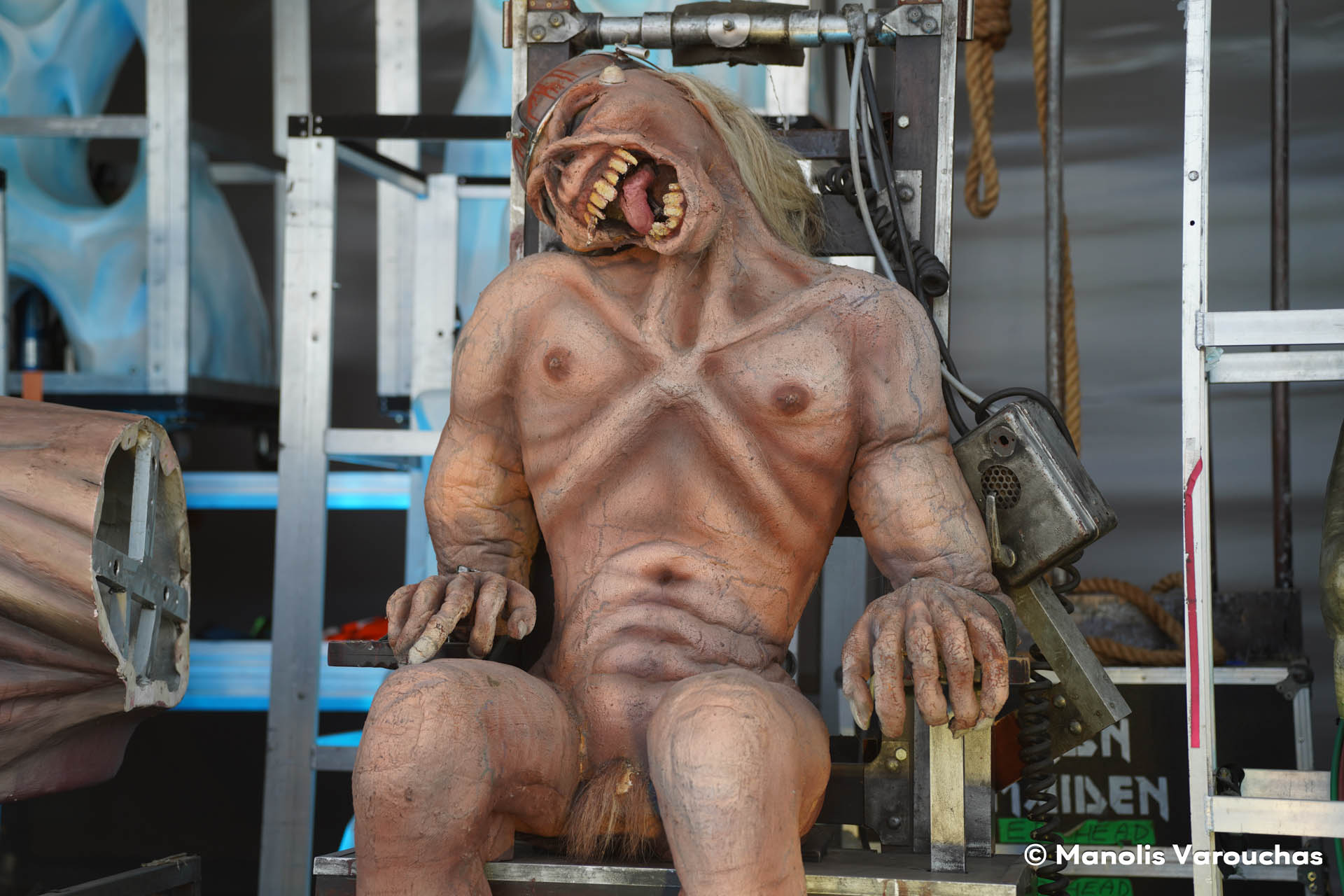
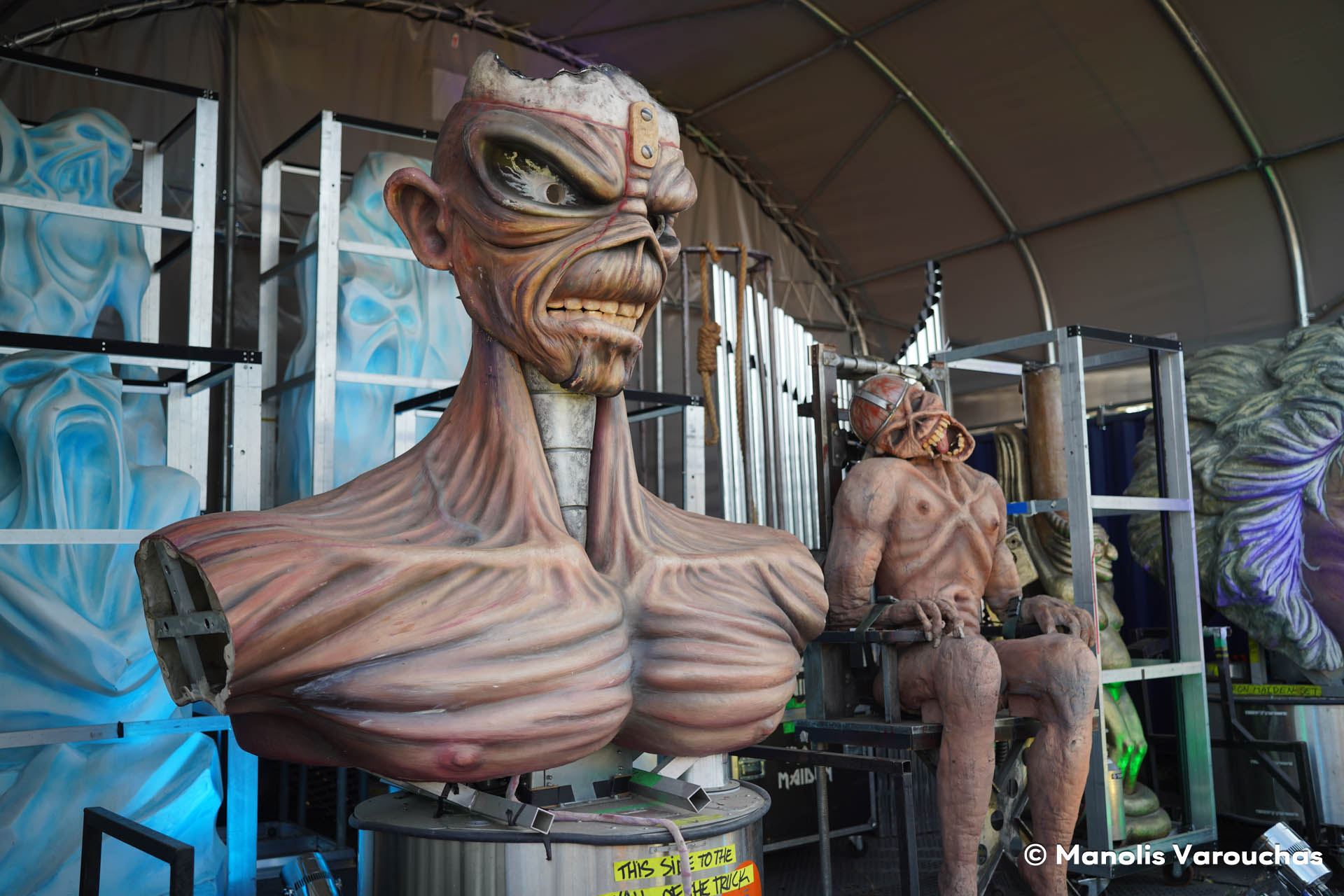
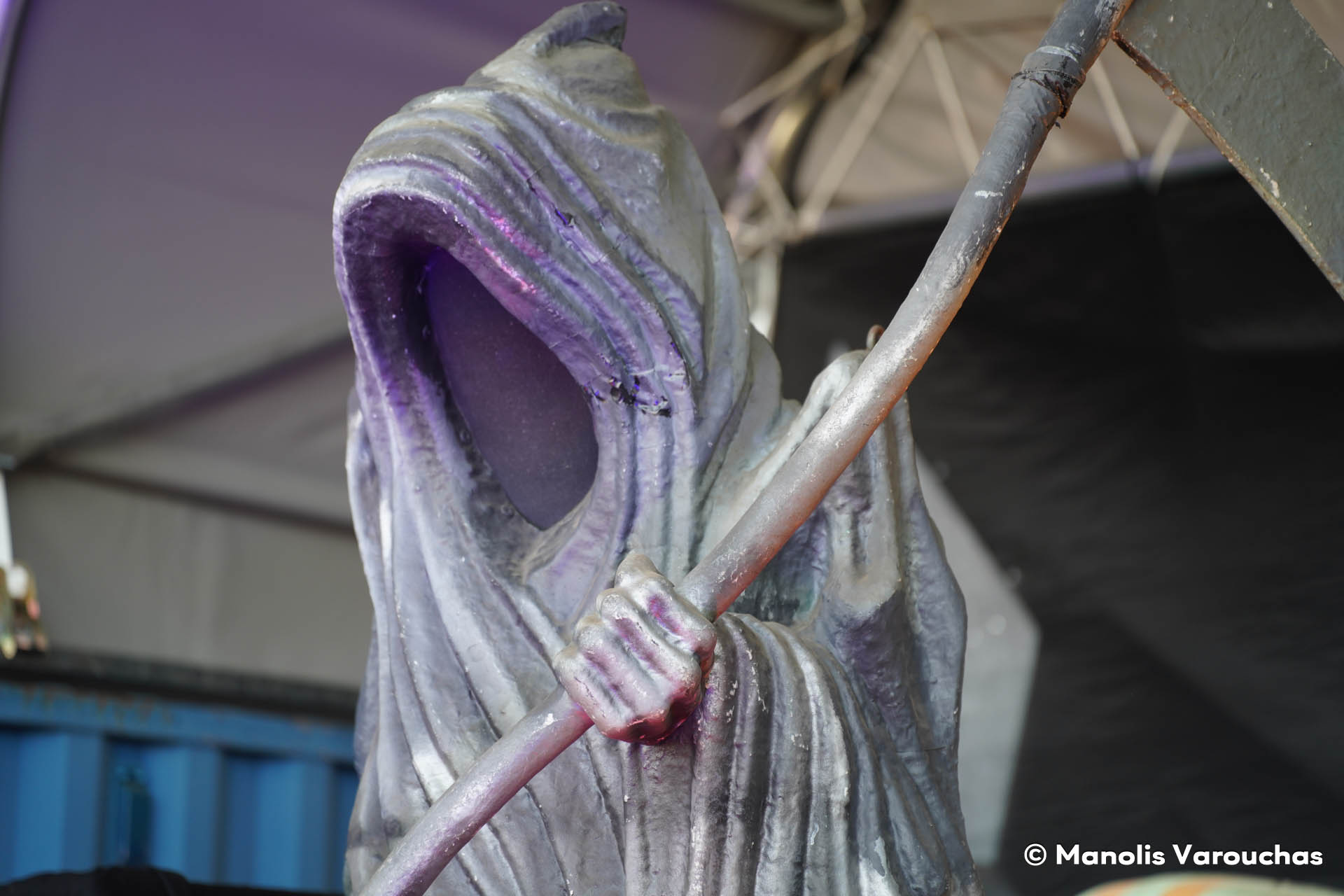
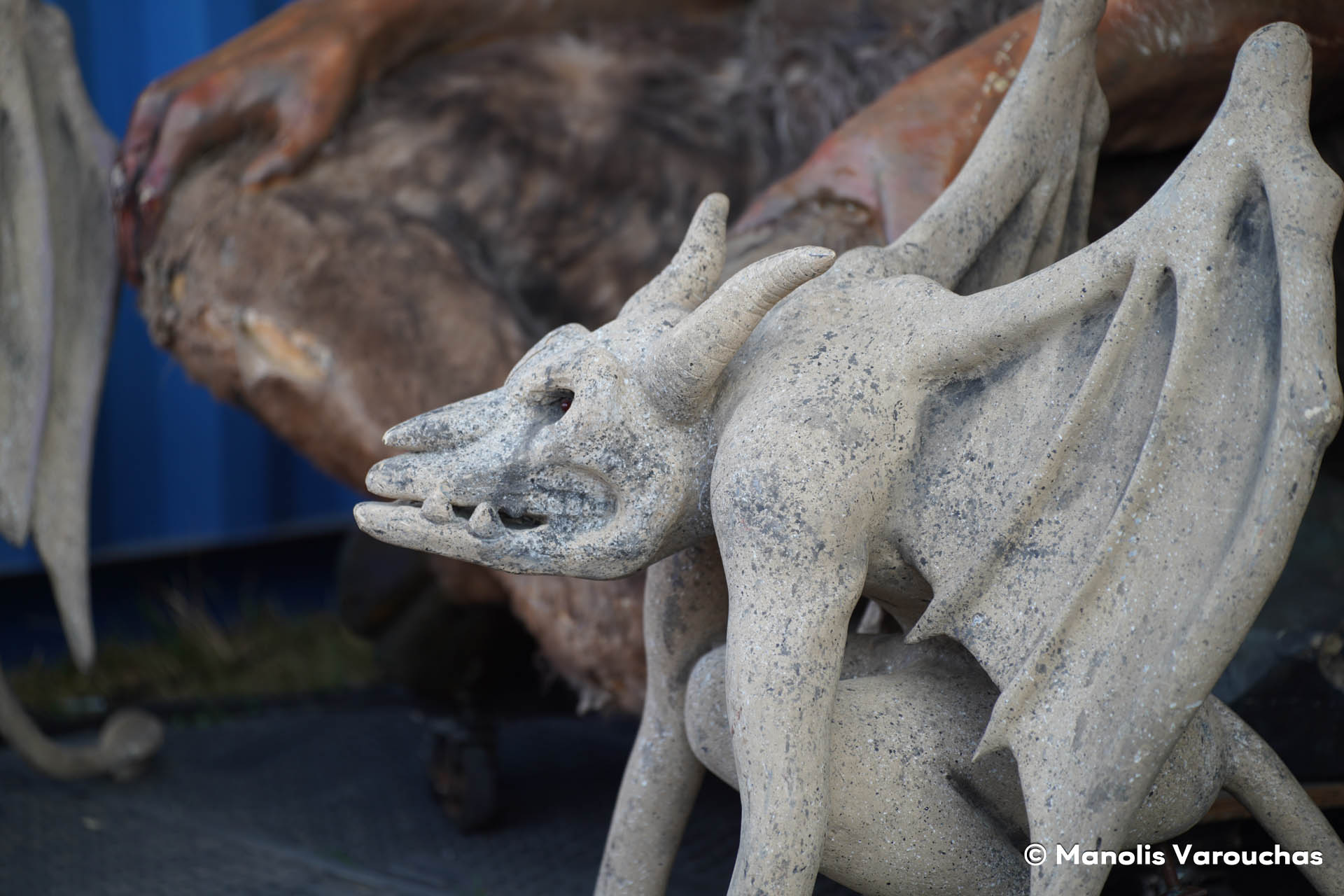
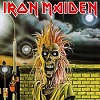
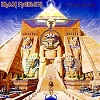
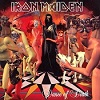
At the top of the grounds stood an open-air museum filled with original stage props, costumes and objects drawn from five decades of touring. Paul Di’Anno’s leather jacket, the original Pharaoh Eddie and the sinister figures associated with the Dance of Death era were among the pieces connecting the present celebration with the band’s long visual history.
For many fans, this was not simply a collection of memorabilia. Every object pointed towards a particular album, tour or period of their own lives. Iron Maiden’s history is inseparable from the personal history of the people who have followed them, and the museum understood that perfectly.
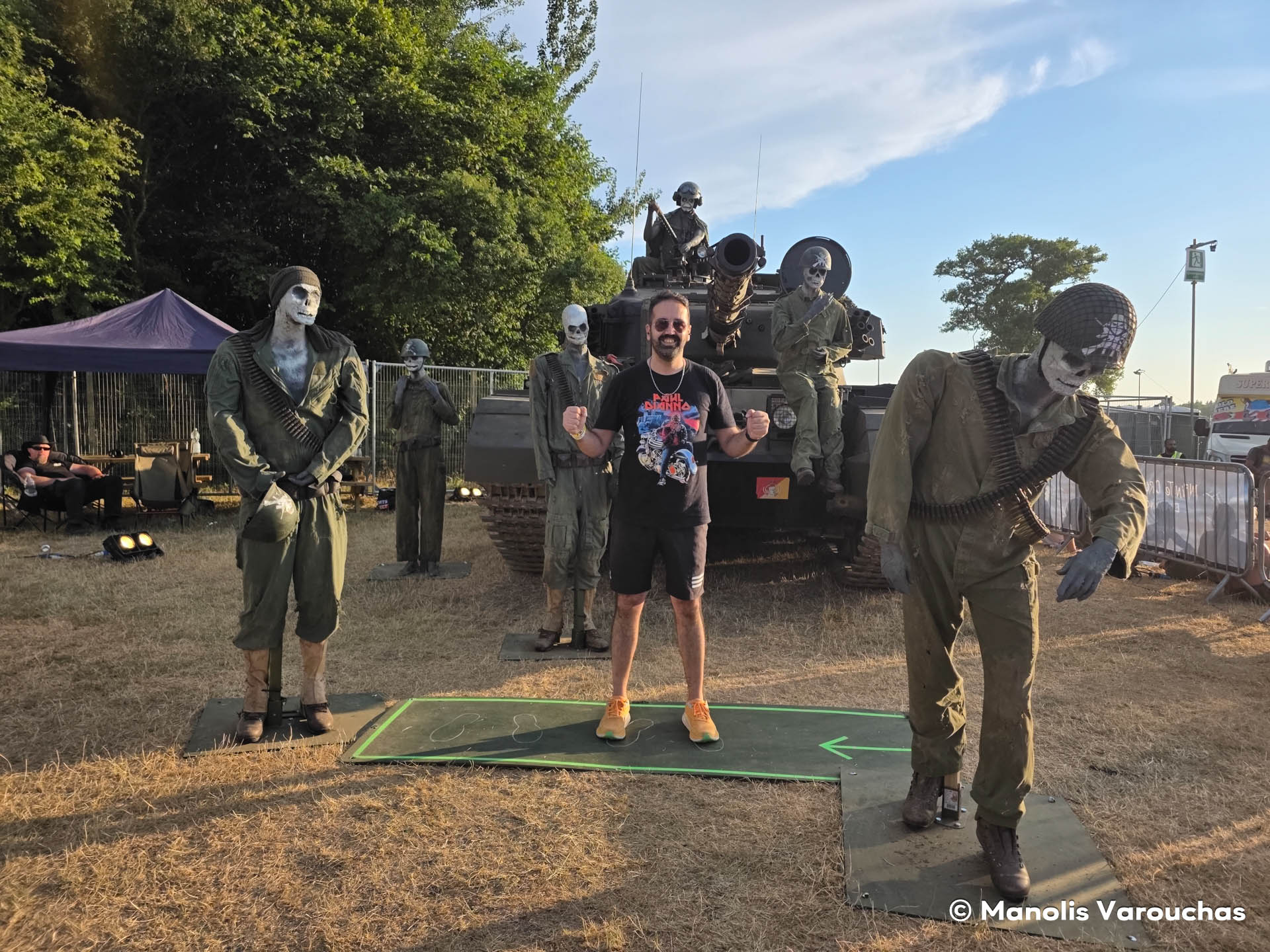
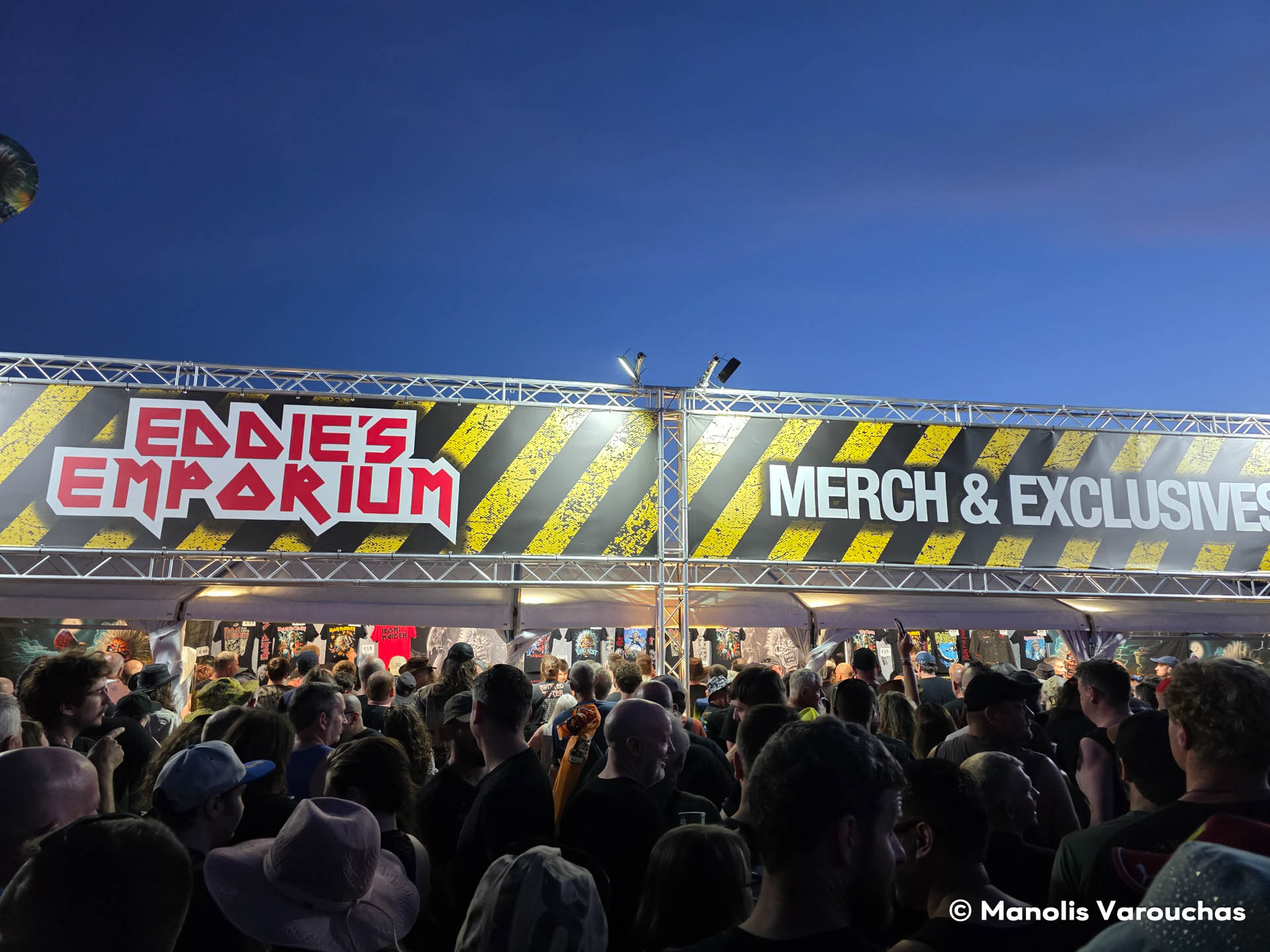
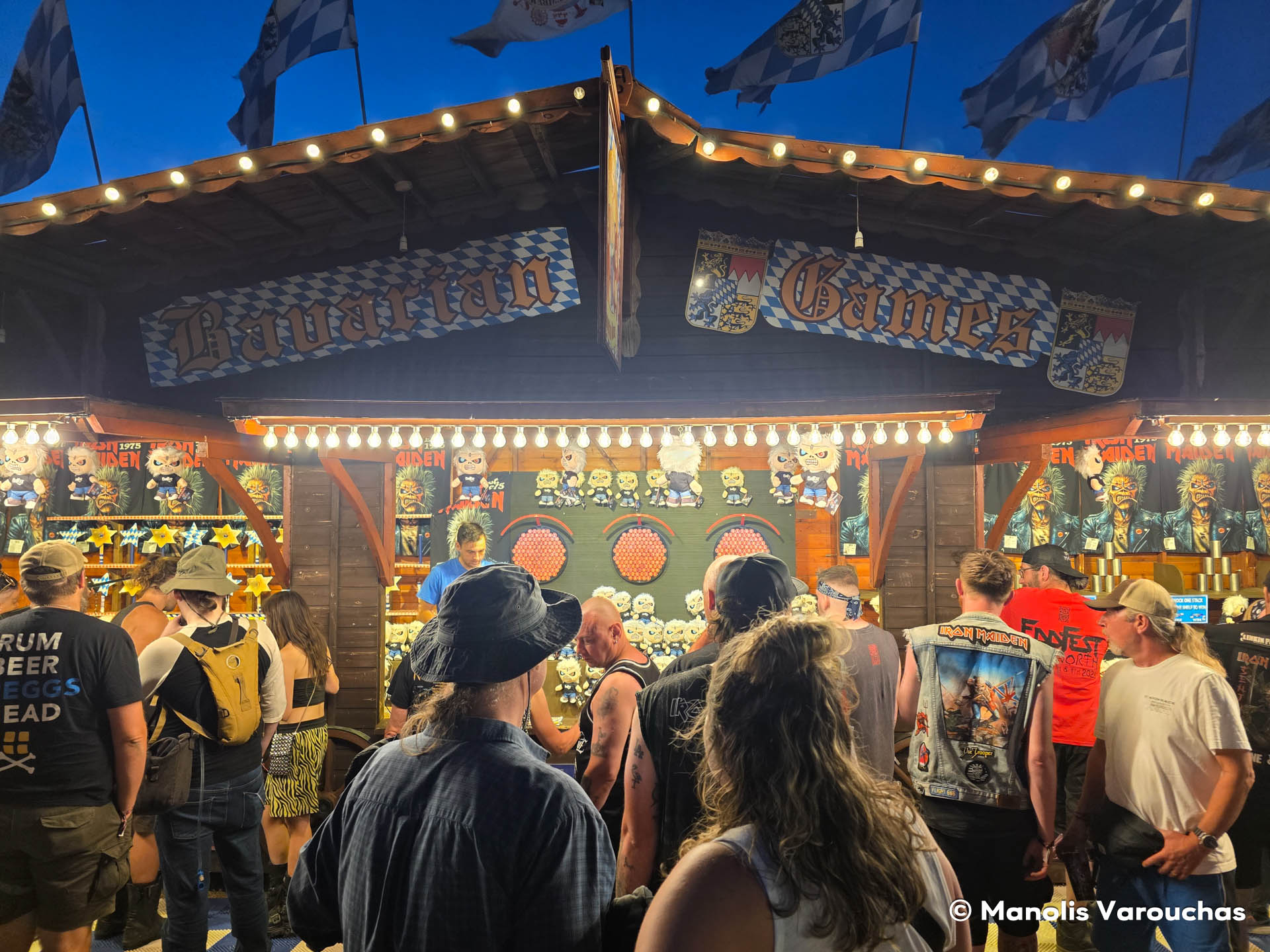
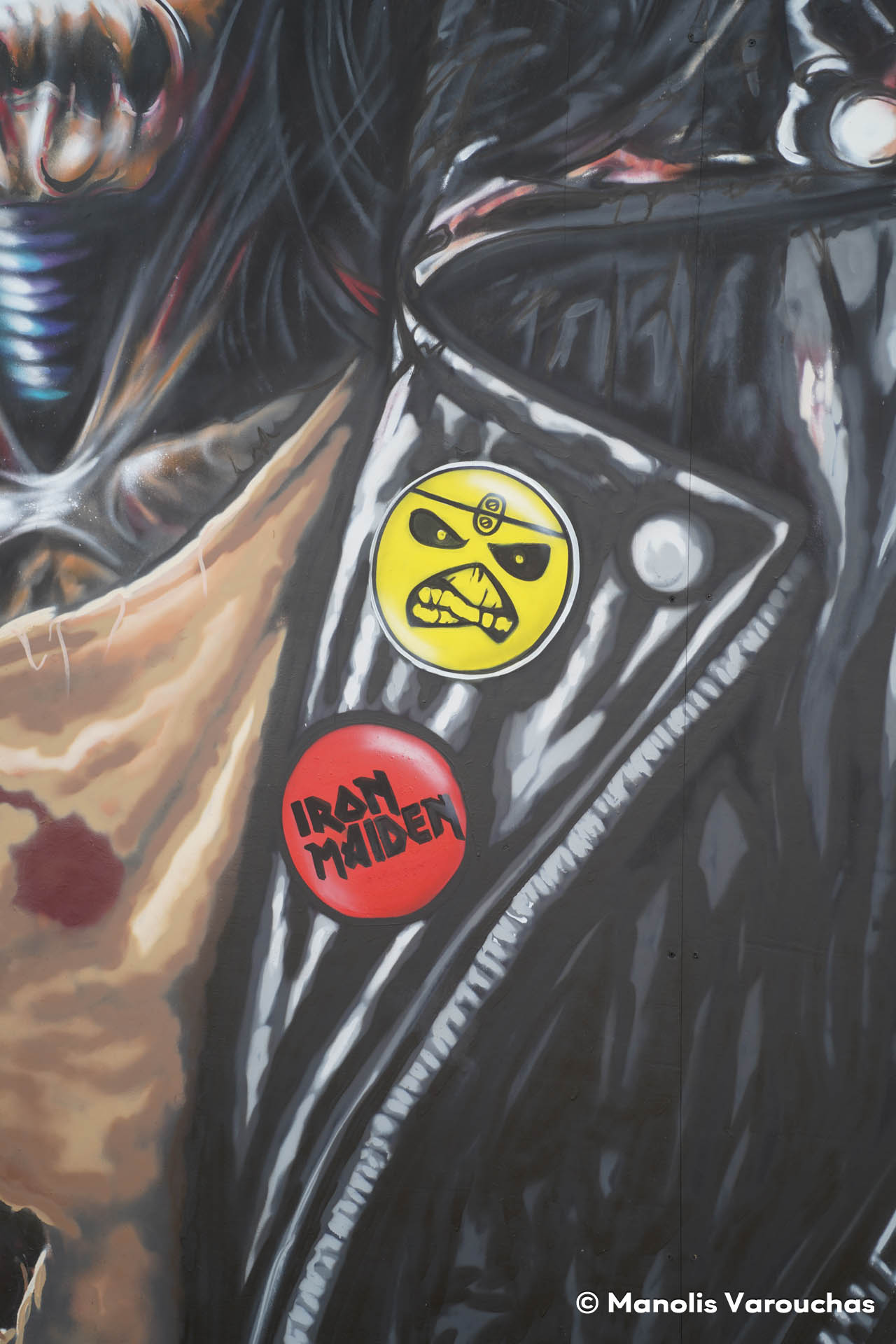
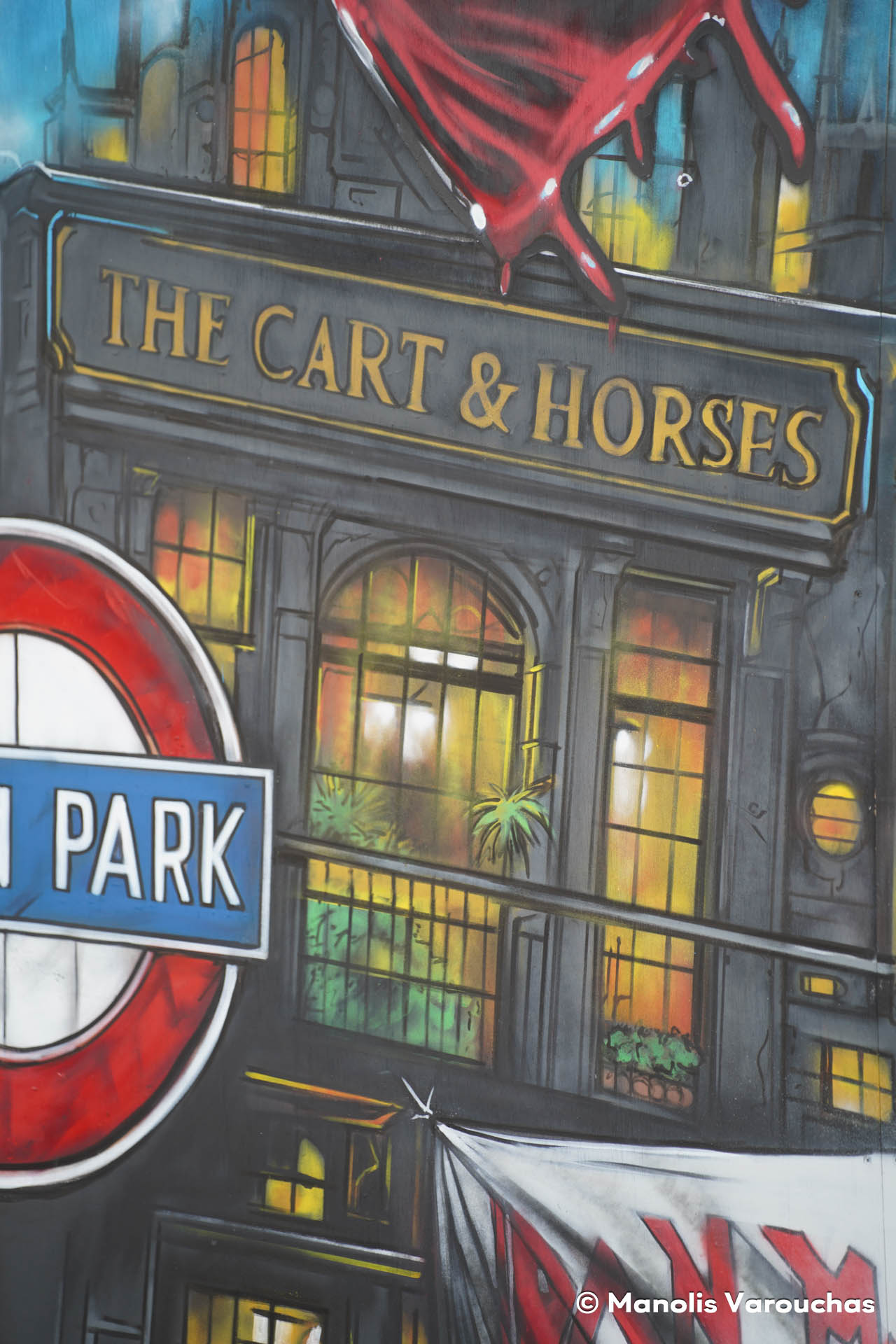
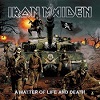
Nearby, Maidenville operated almost as a festival within the festival. There was a themed bar, tattooing, merchandise, amusement rides and even a tank recreating the imagery of A Matter of Life and Death. The attention to detail reached everything from wristbands to beer cups and even the festival bins.
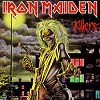
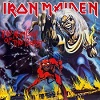
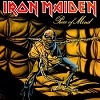
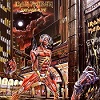
It could easily have become excessive or artificial. Instead, it felt like an affectionate celebration created by people who understood exactly what Iron Maiden means to their audience. The band have always been exceptional world-builders. Their songs are filled with war, literature, history, mythology and horror, while Derek Riggs’ artwork and Eddie’s many transformations provided each album with its own universe.
At Eddfest, that universe finally became a physical place.
The Story Before the Main Event
Friday’s programme at the Maidenville stage looked backwards, tracing some of the routes that eventually led to Iron Maiden.
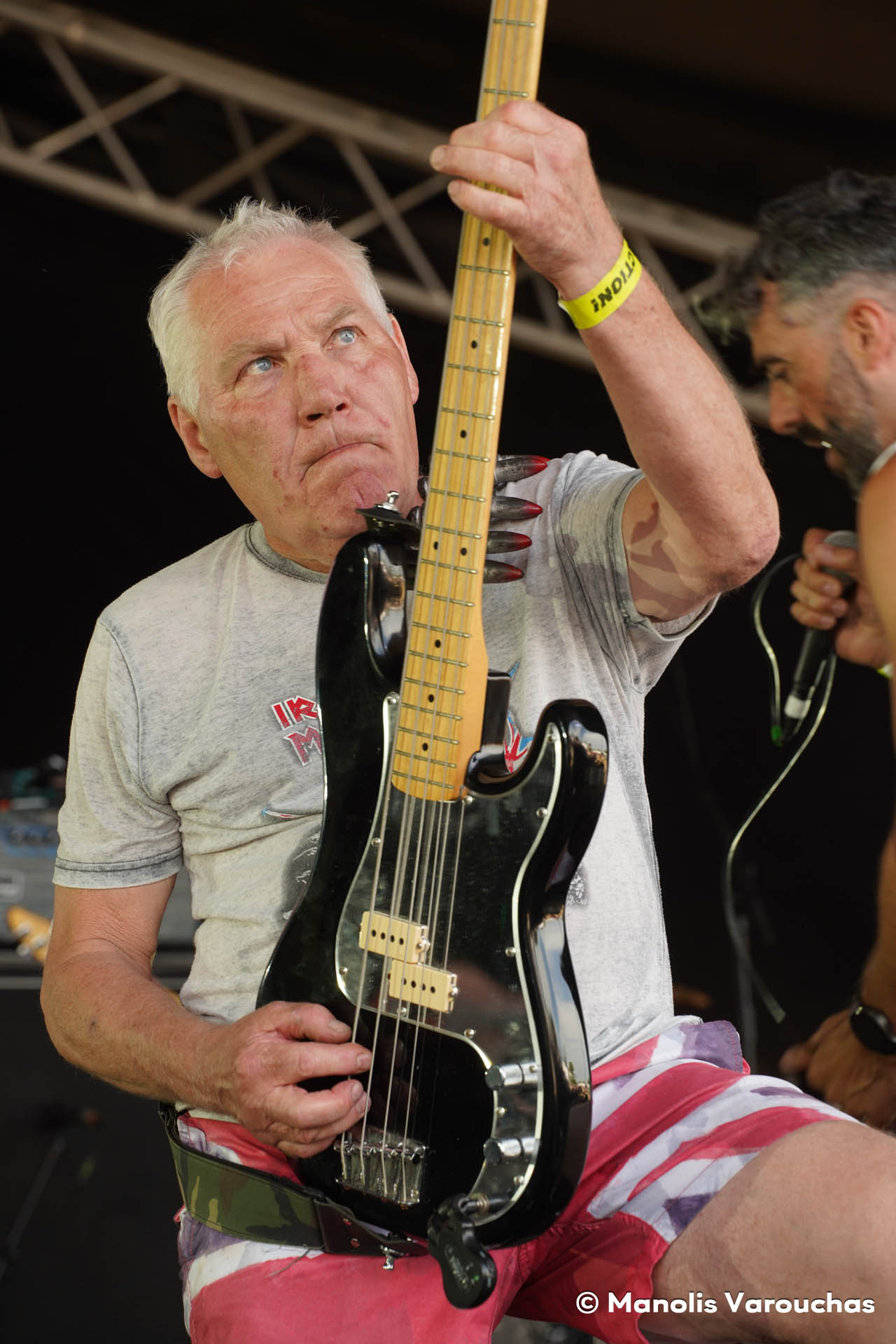
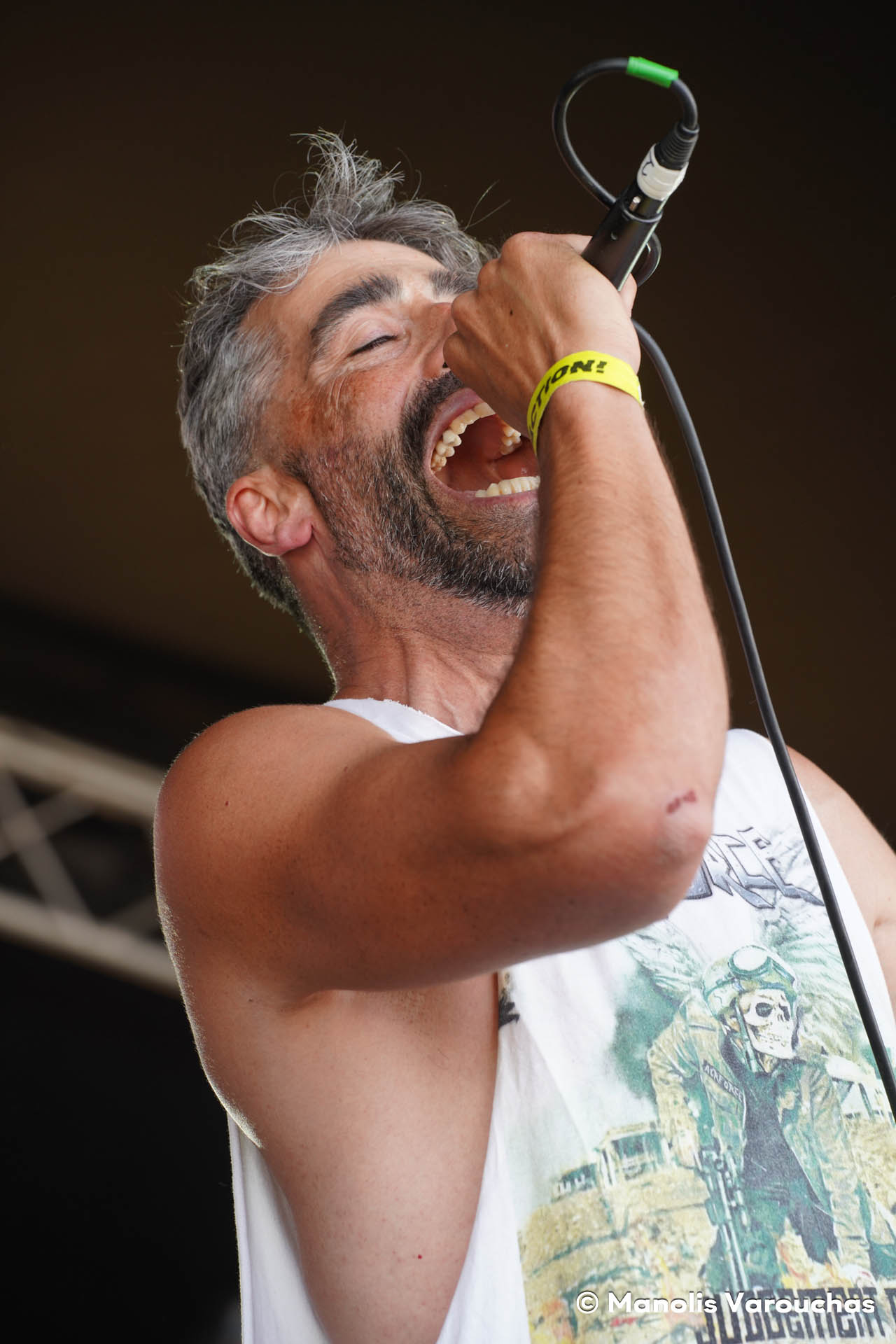
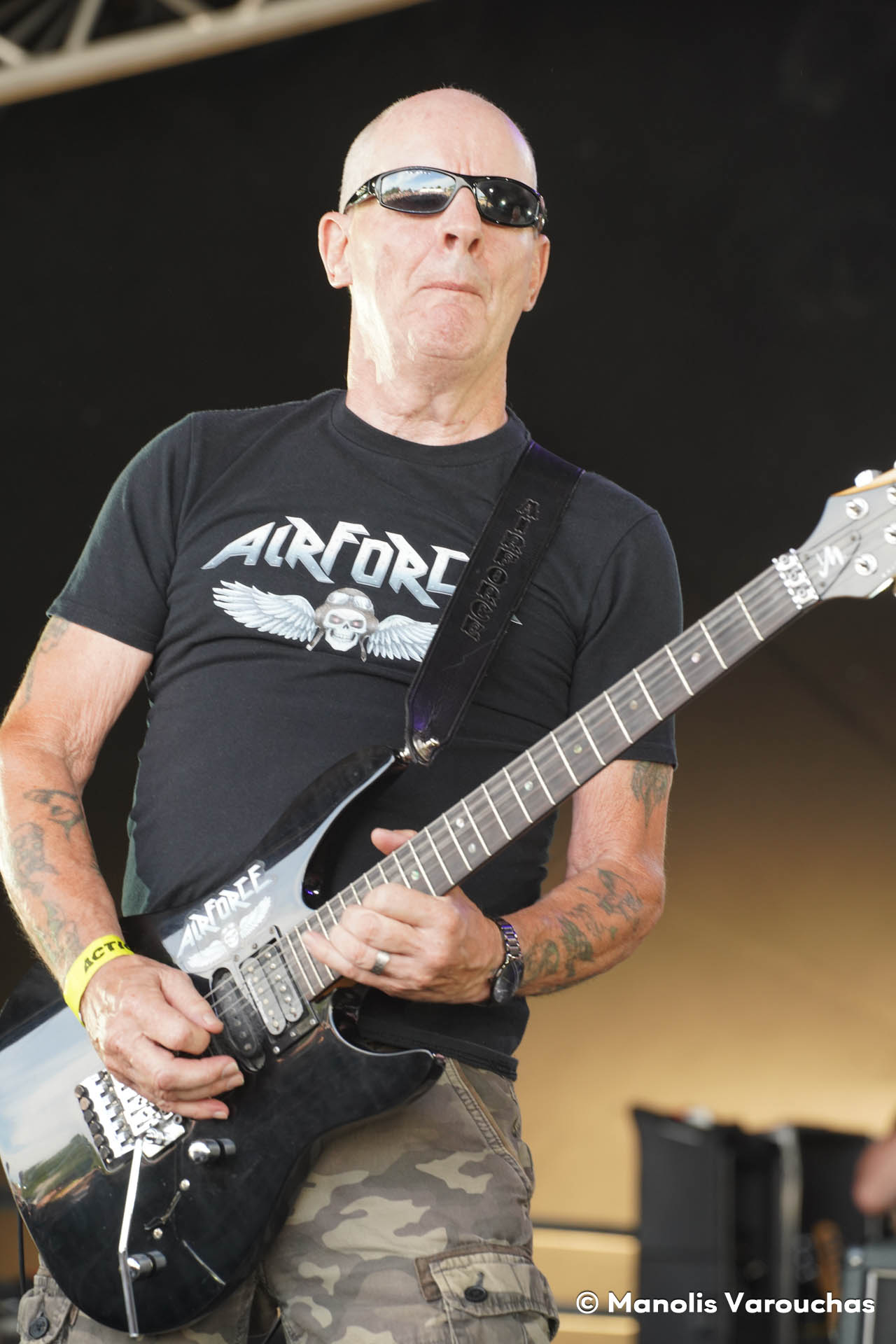
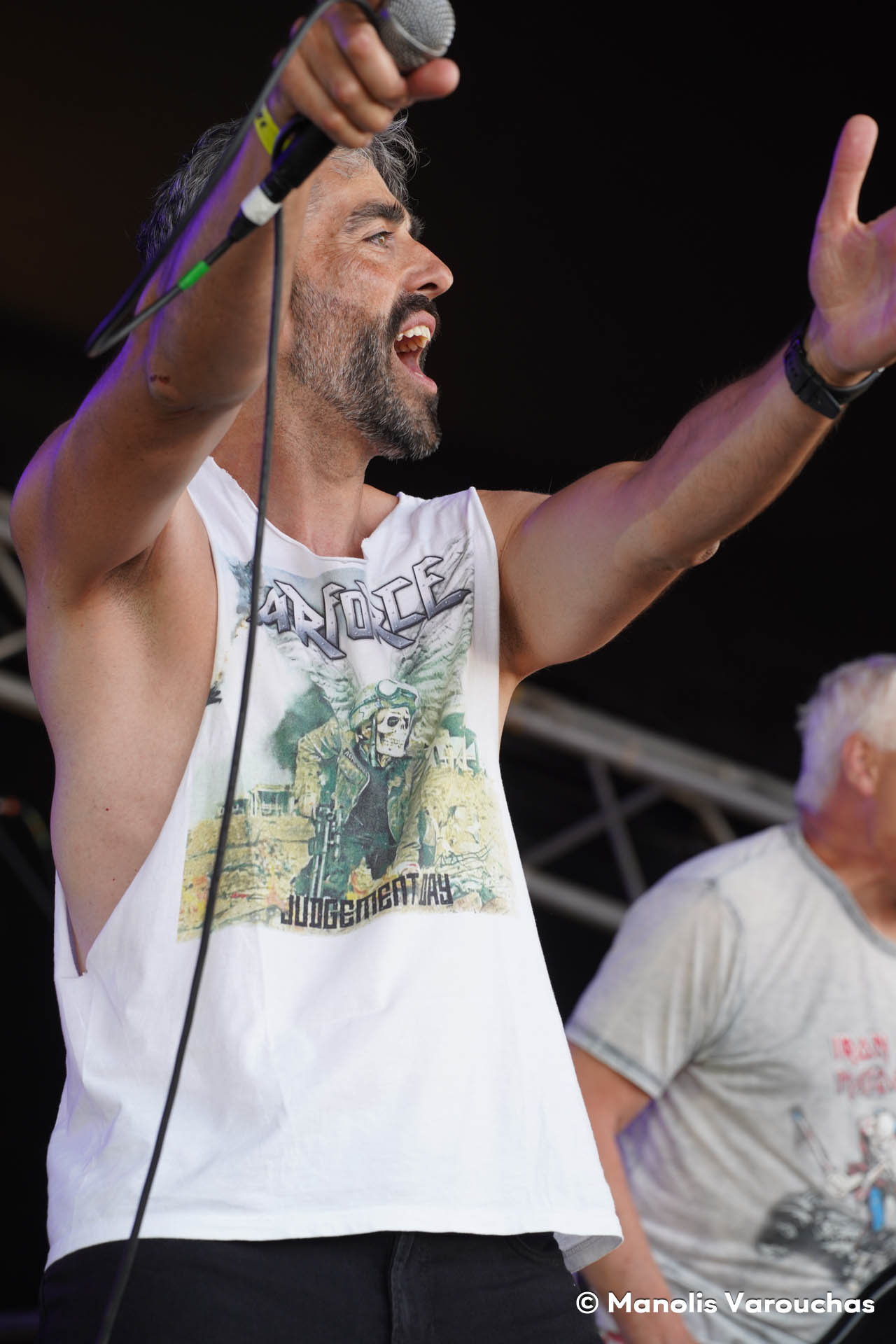
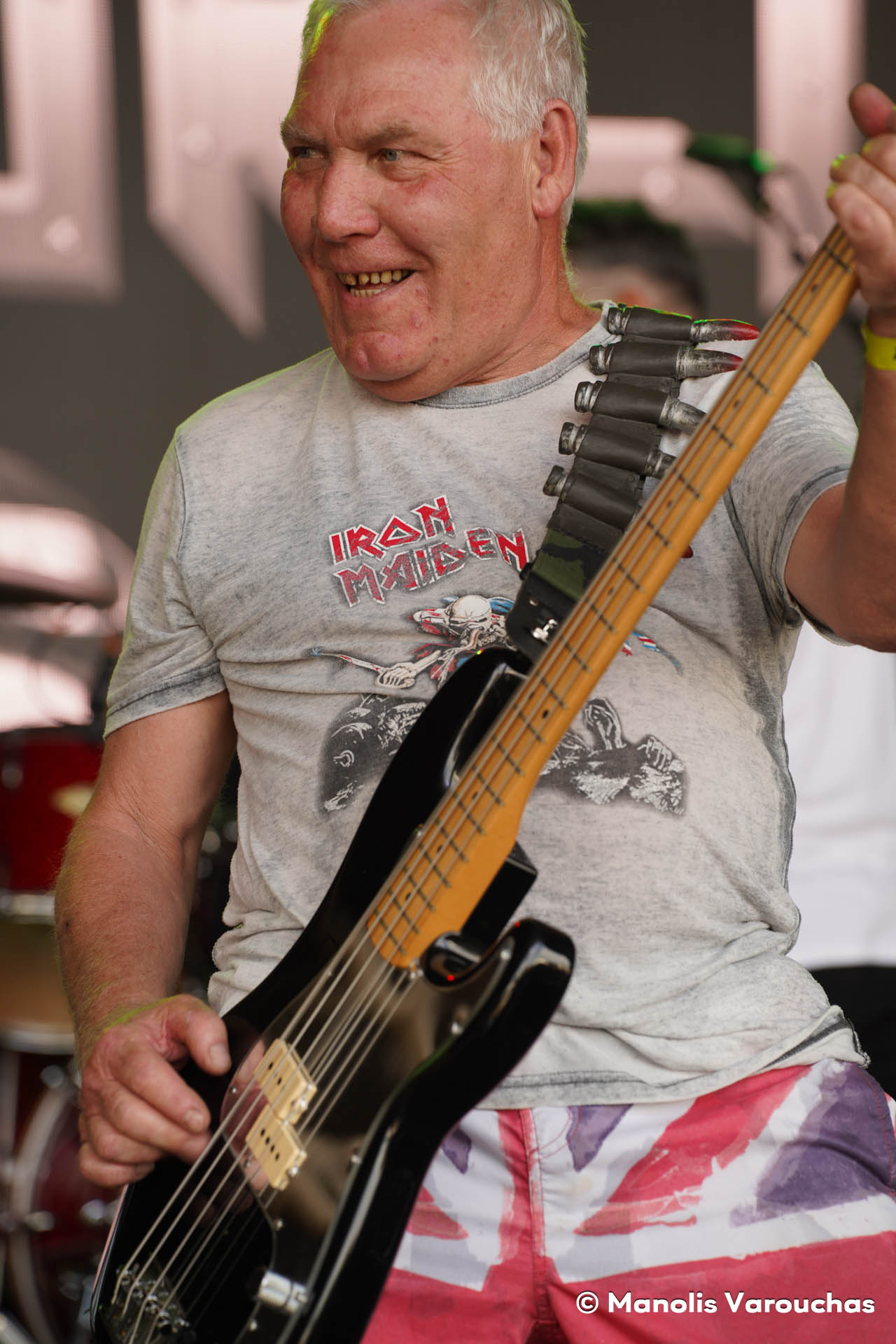
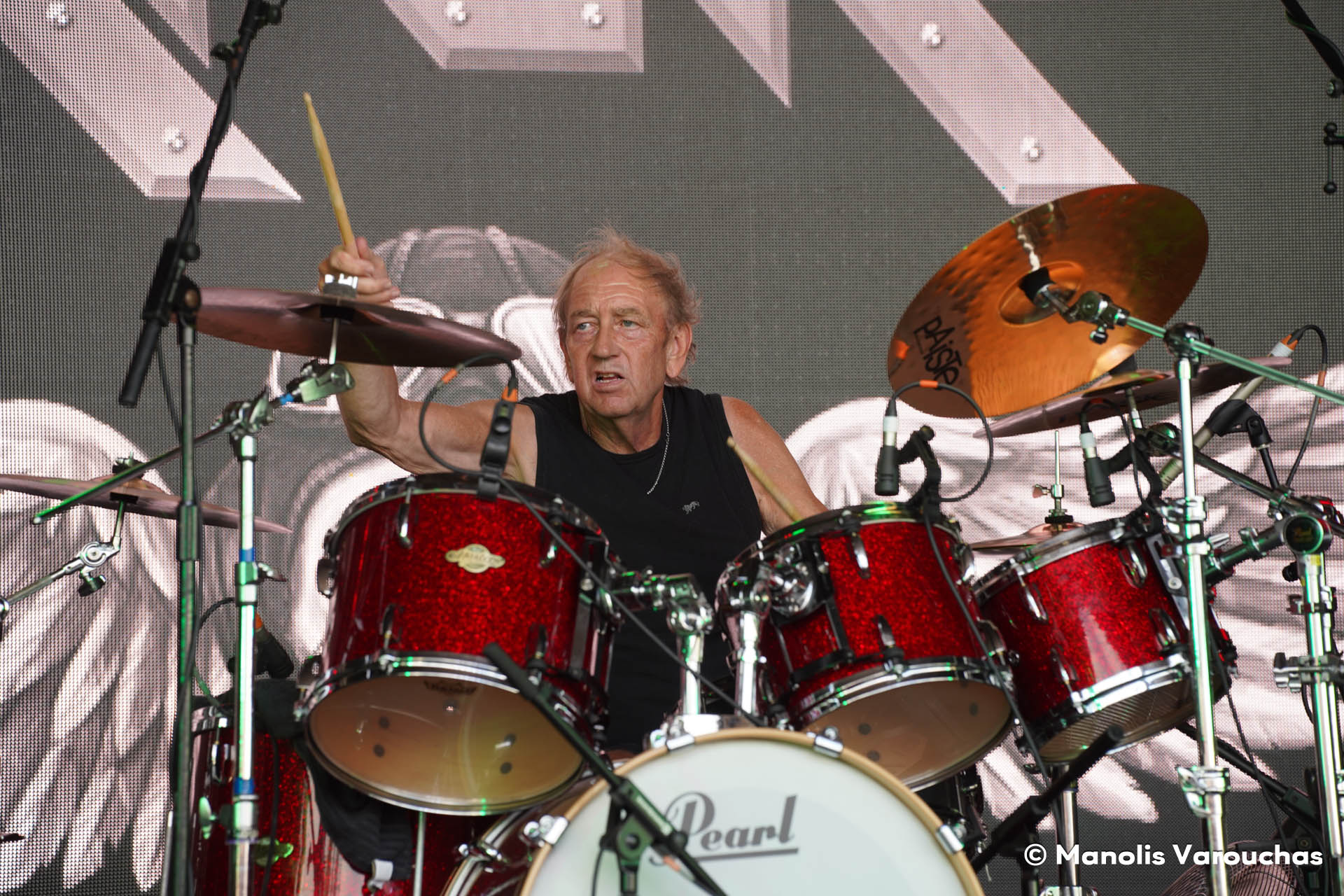
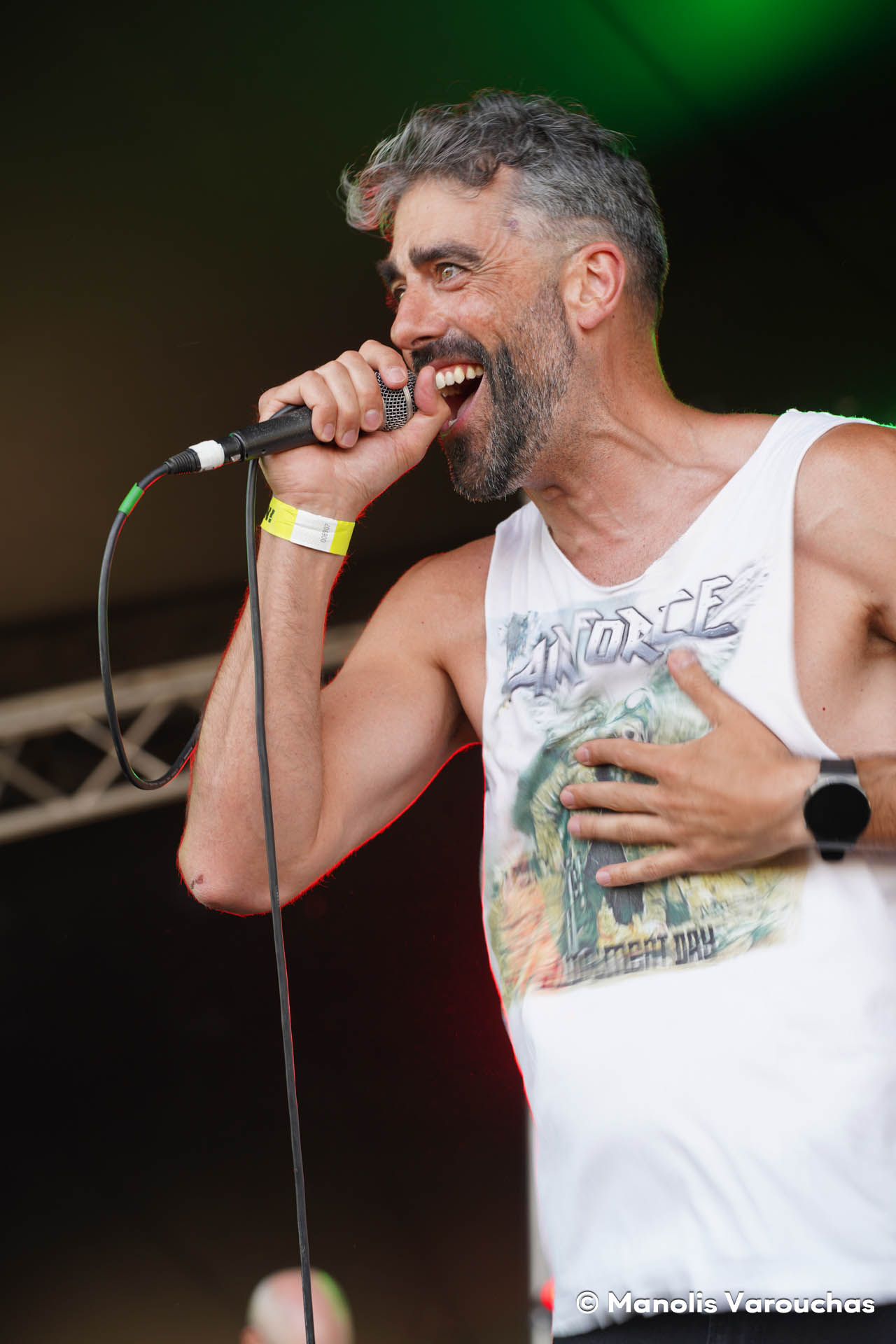
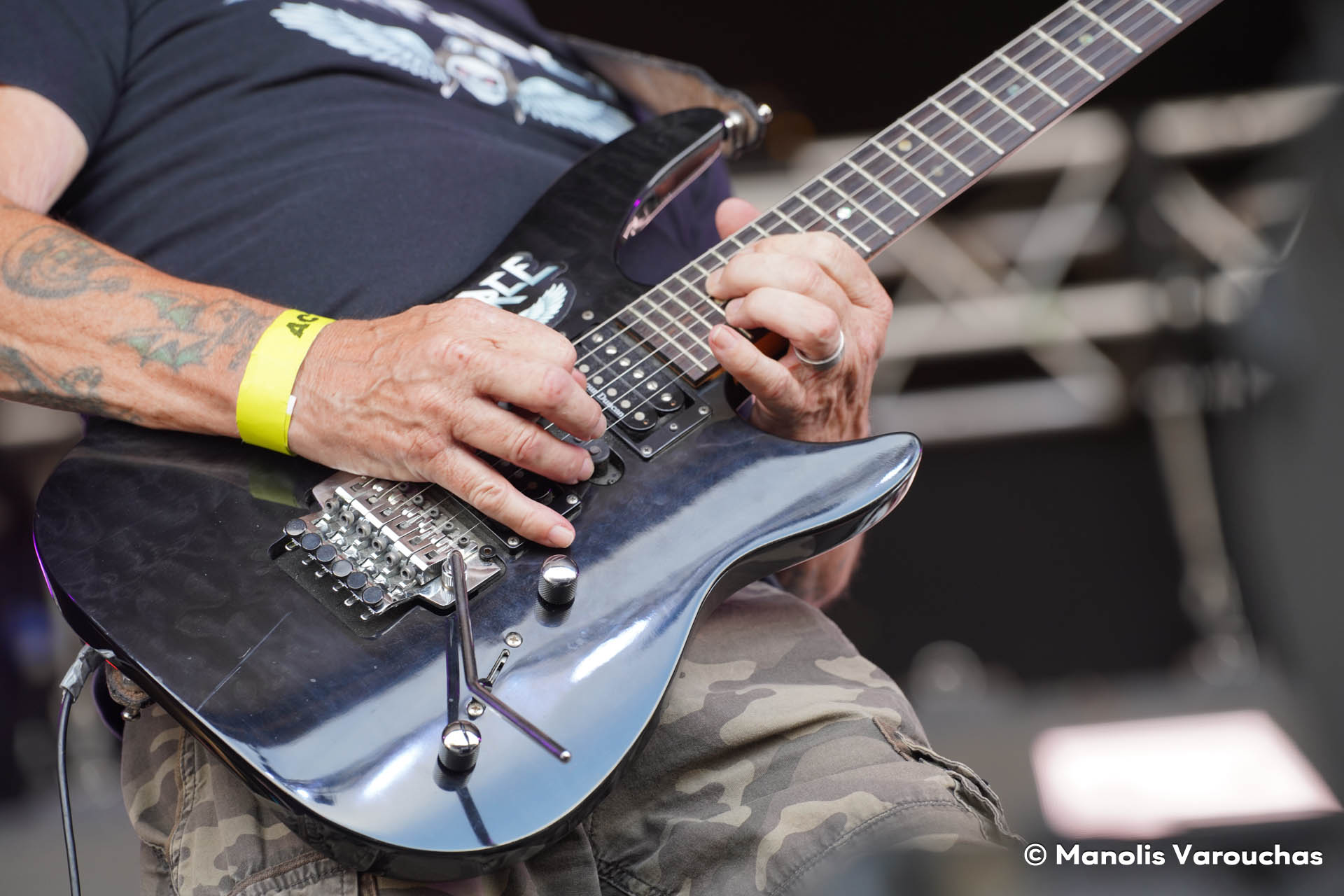
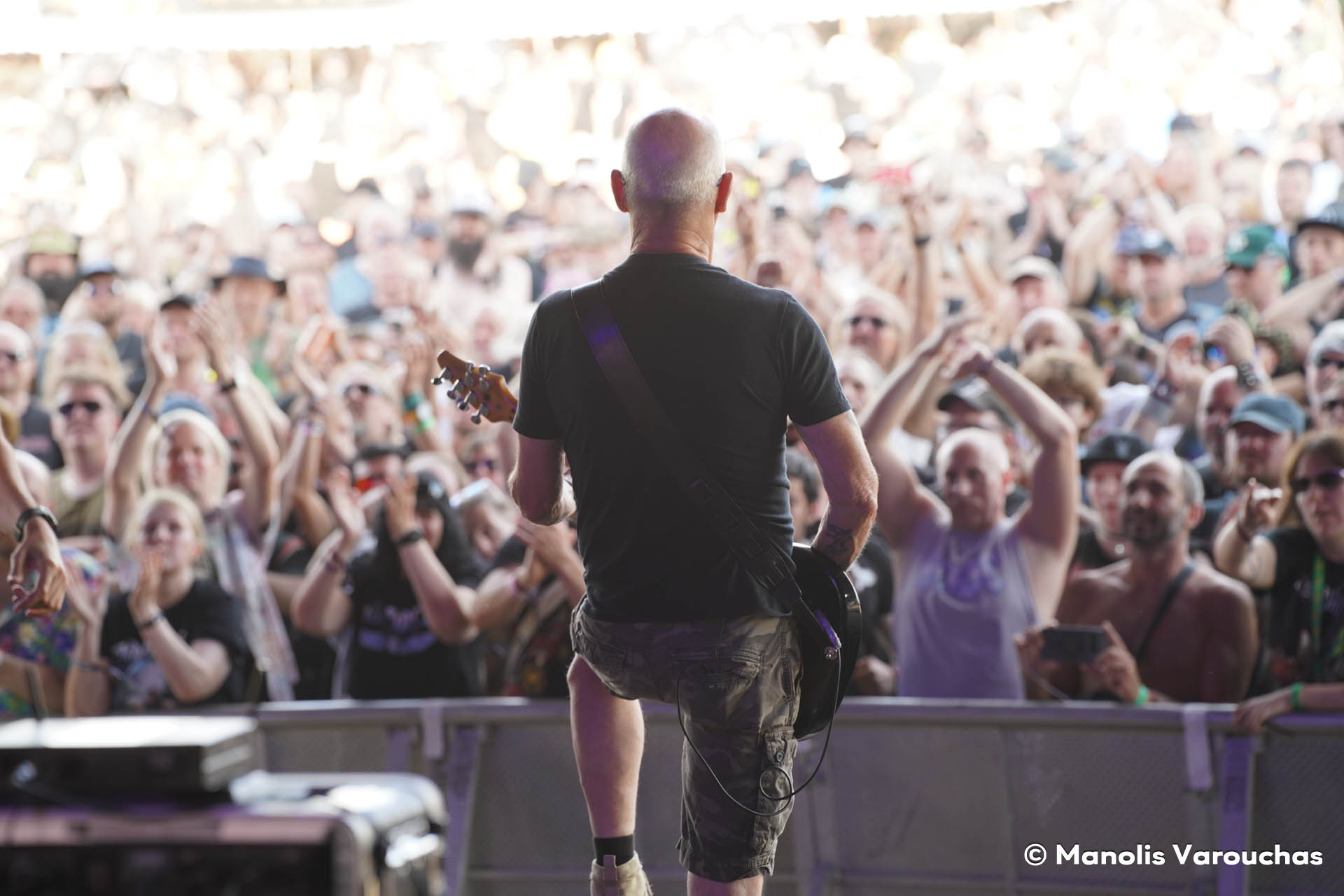
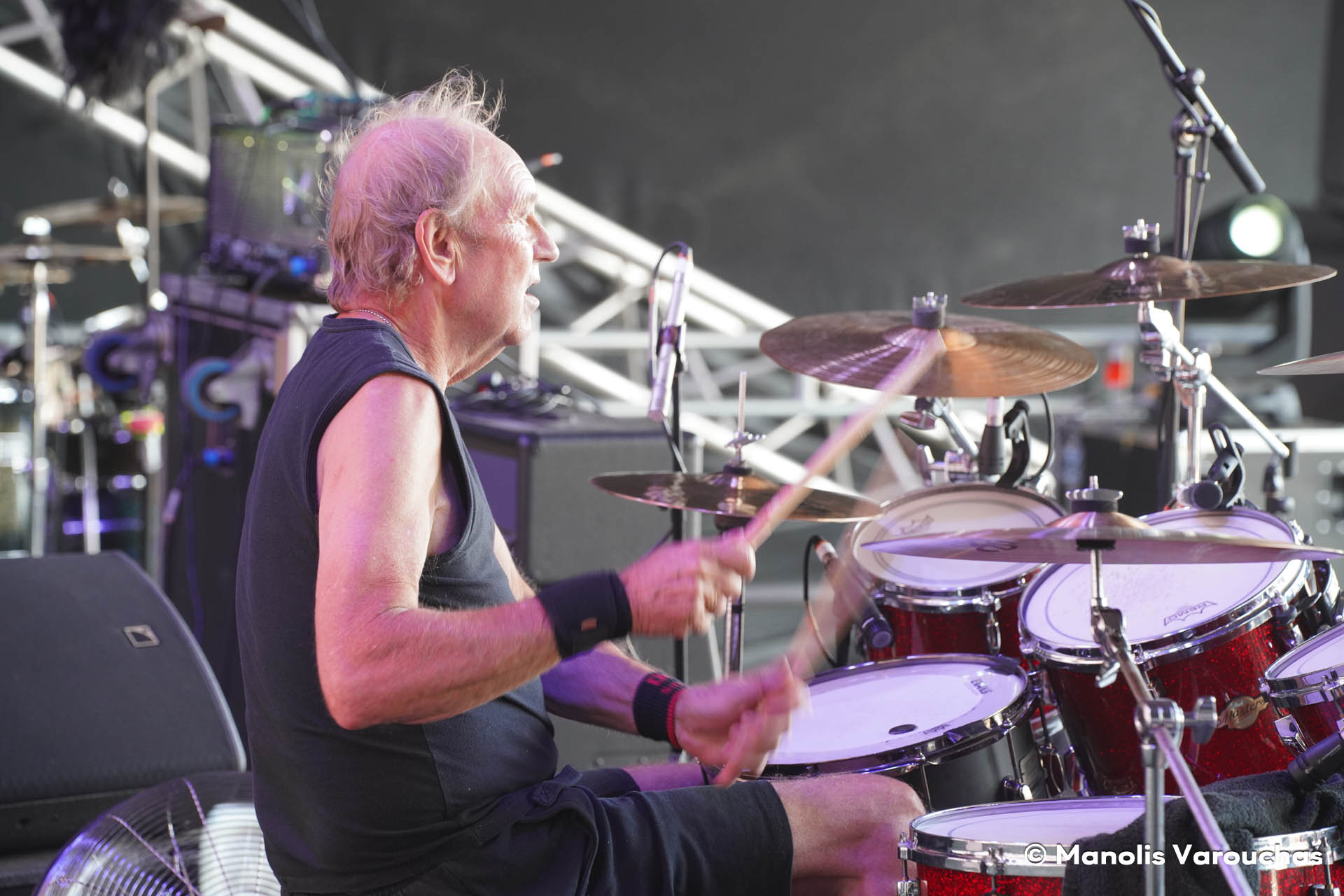
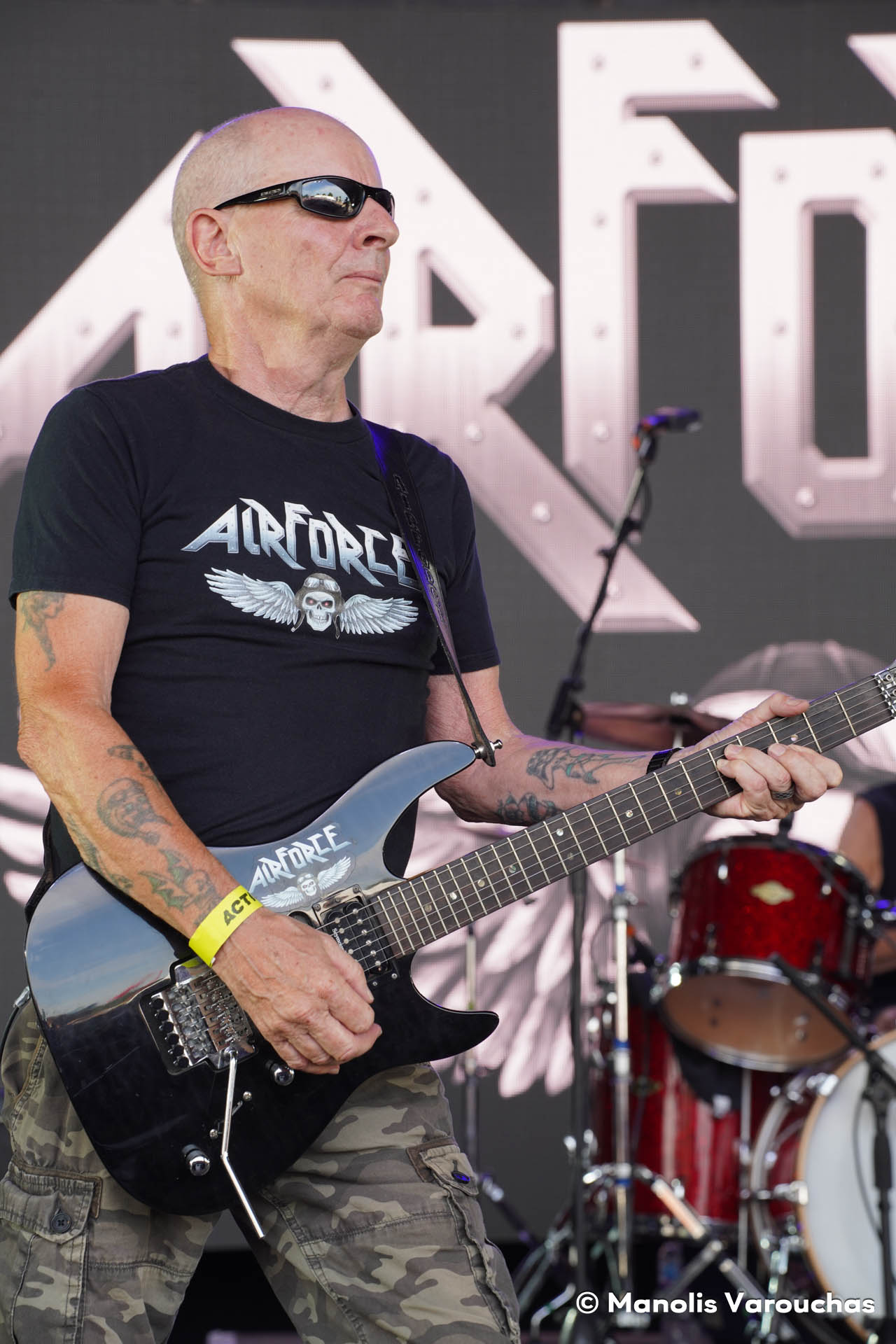
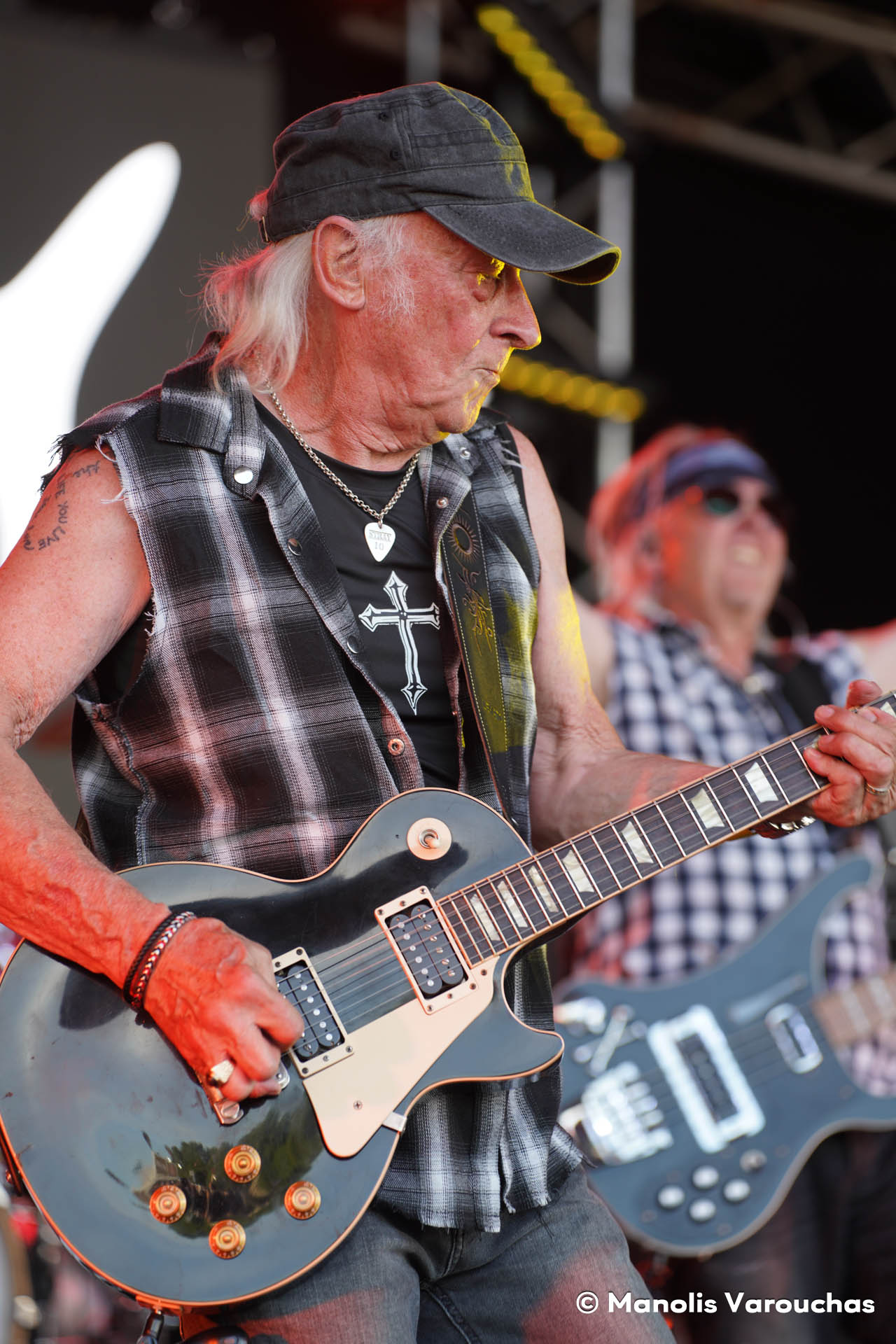
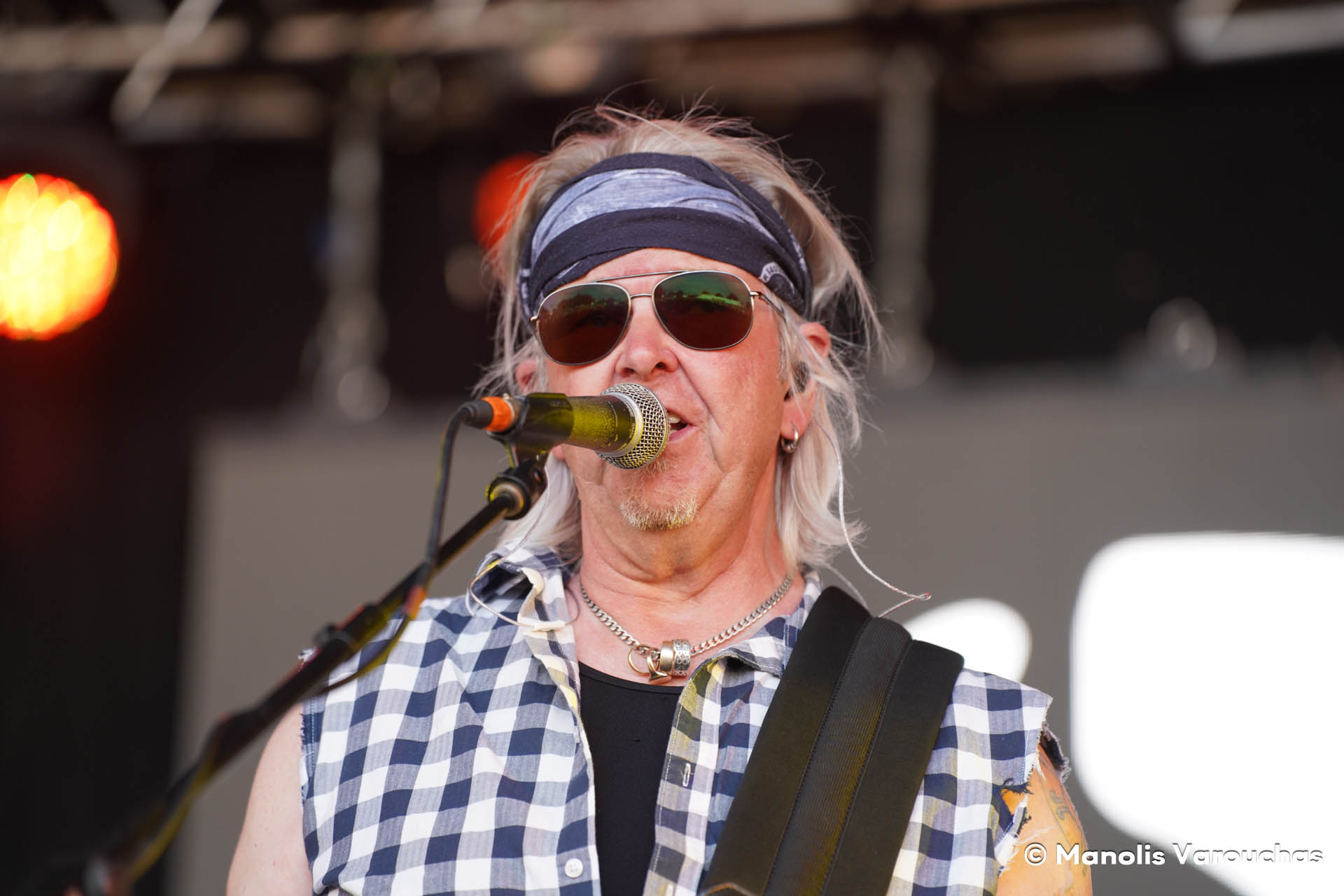
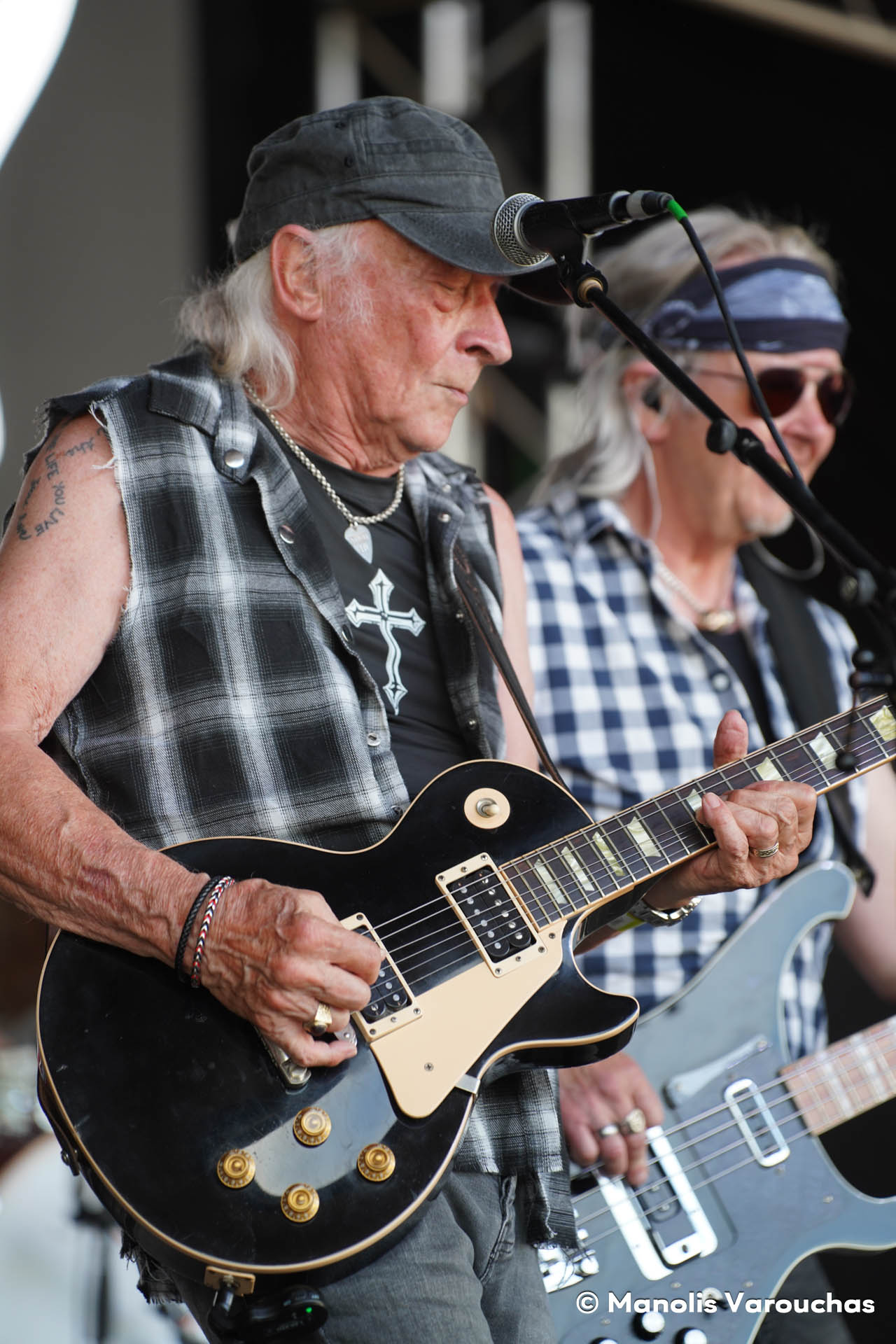
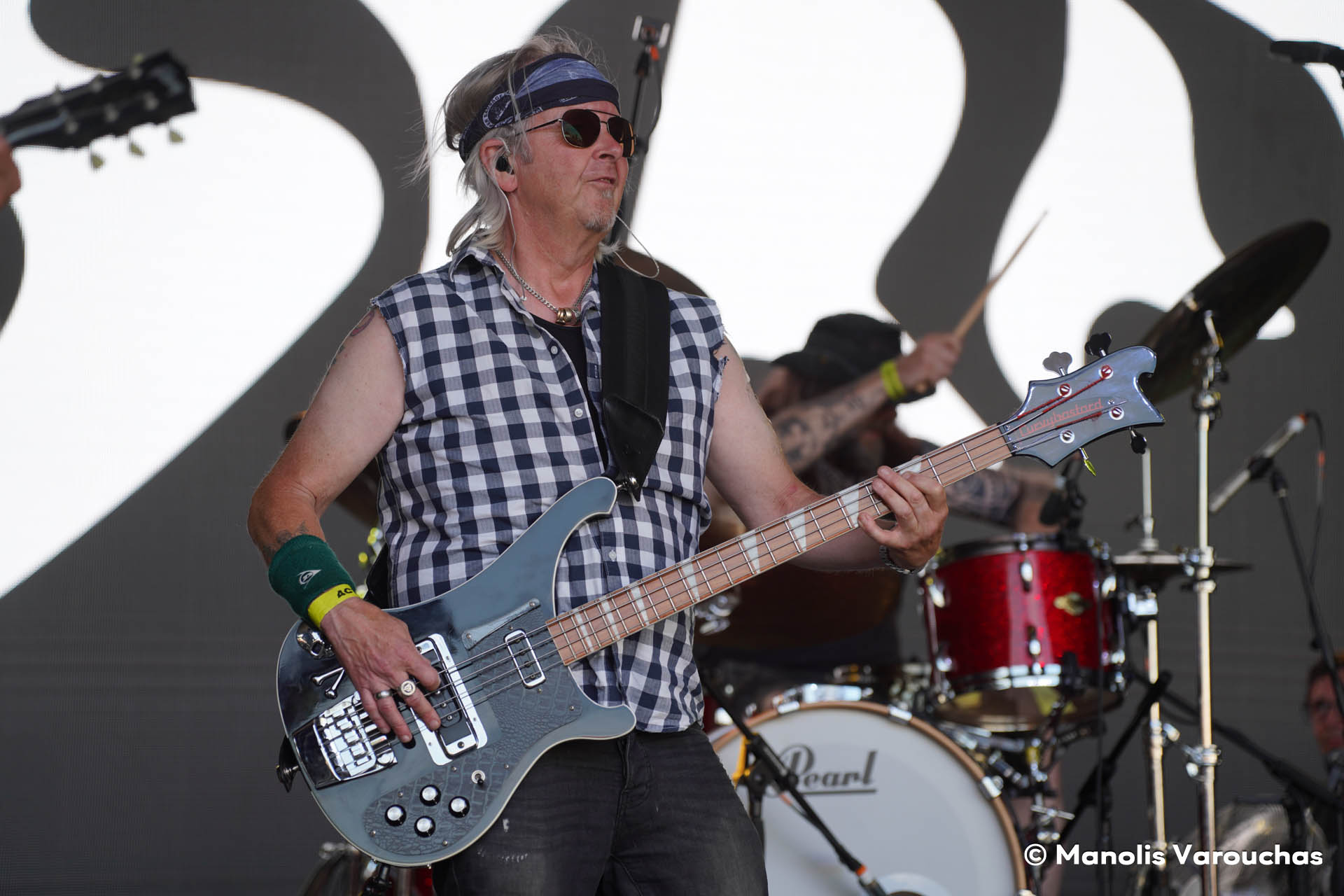
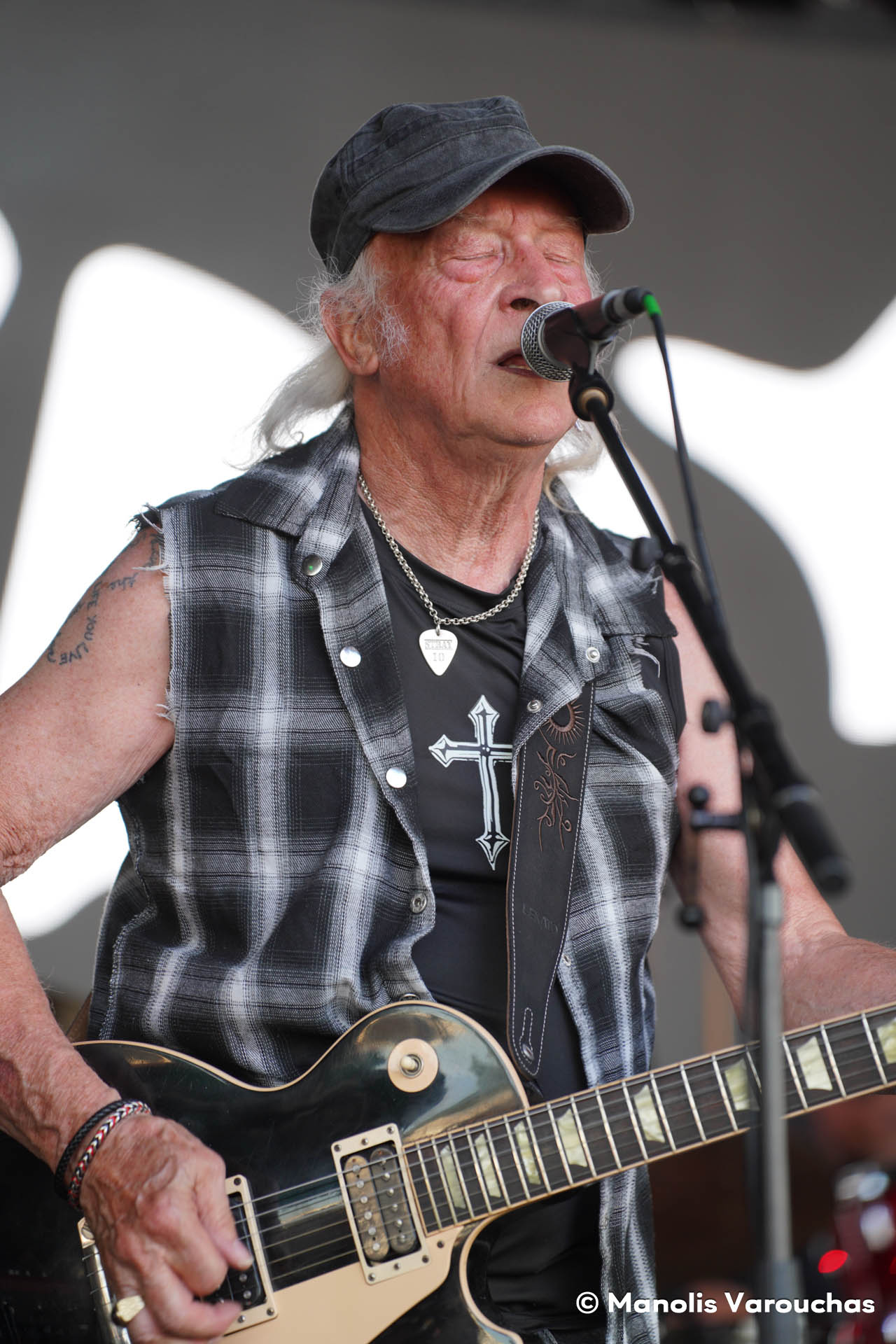
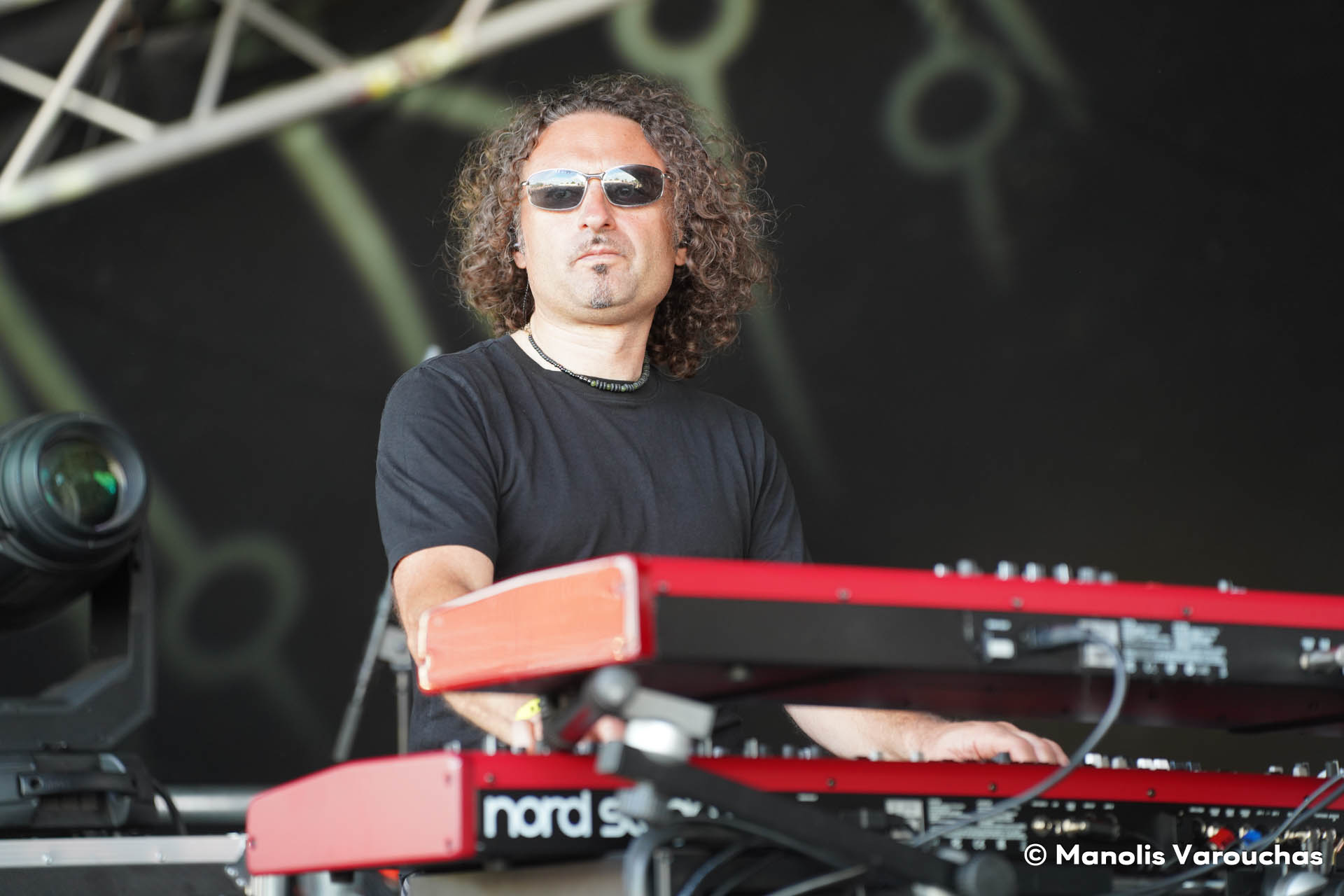
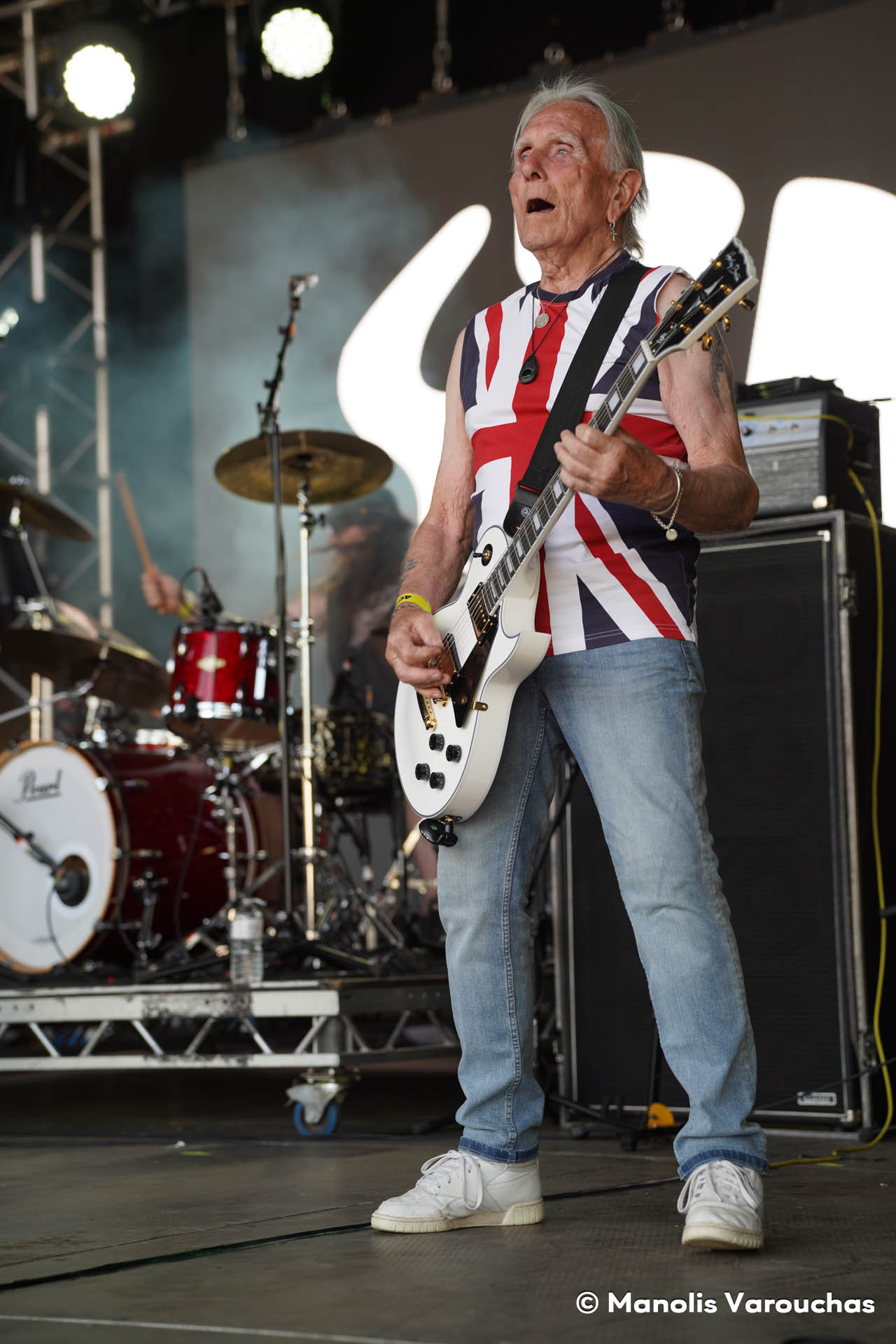
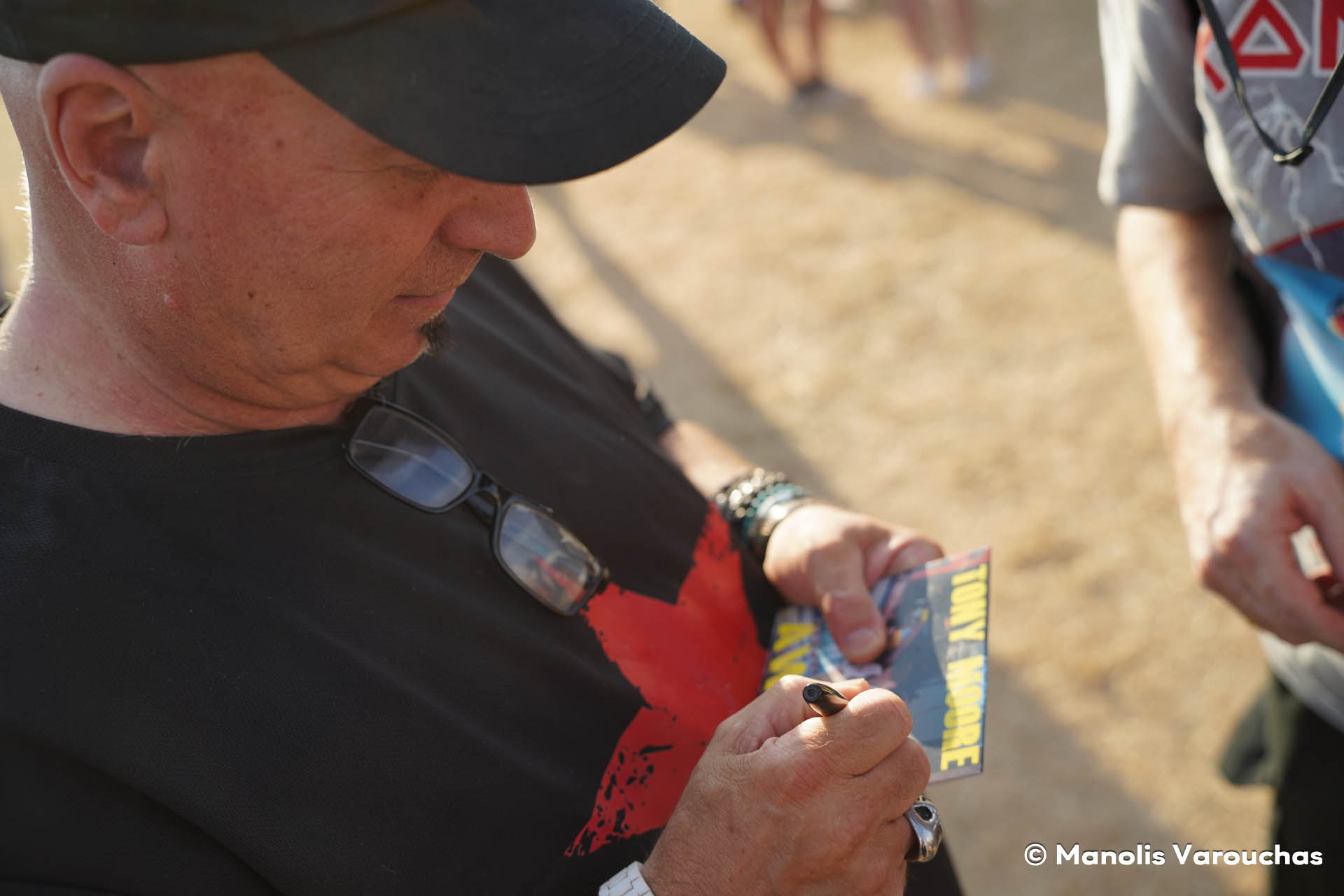
Tony Moore, briefly a keyboard player in the band’s earliest period, opened the musical proceedings, followed by Gypsy’s Kiss, Steve Harris’ pre-Maiden group. Airforce brought former Maiden drummer Doug Sampson back into the story, while Maiden United featured original guitarist Dennis Stratton.
These performances gave the first day an almost documentary character. Rather than presenting Iron Maiden’s history through dates and photographs alone, Eddfest placed musicians from different chapters of that story back onstage.
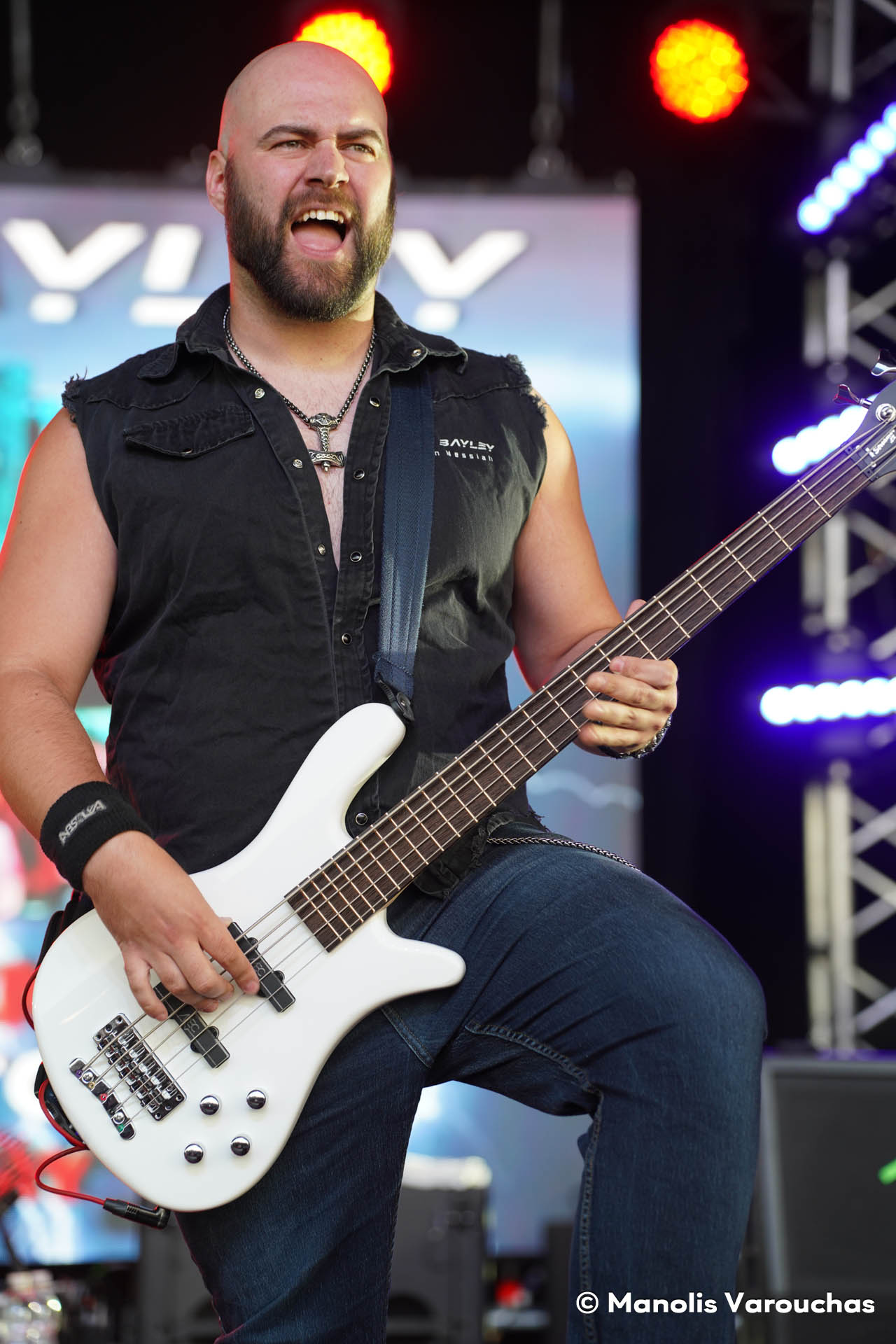
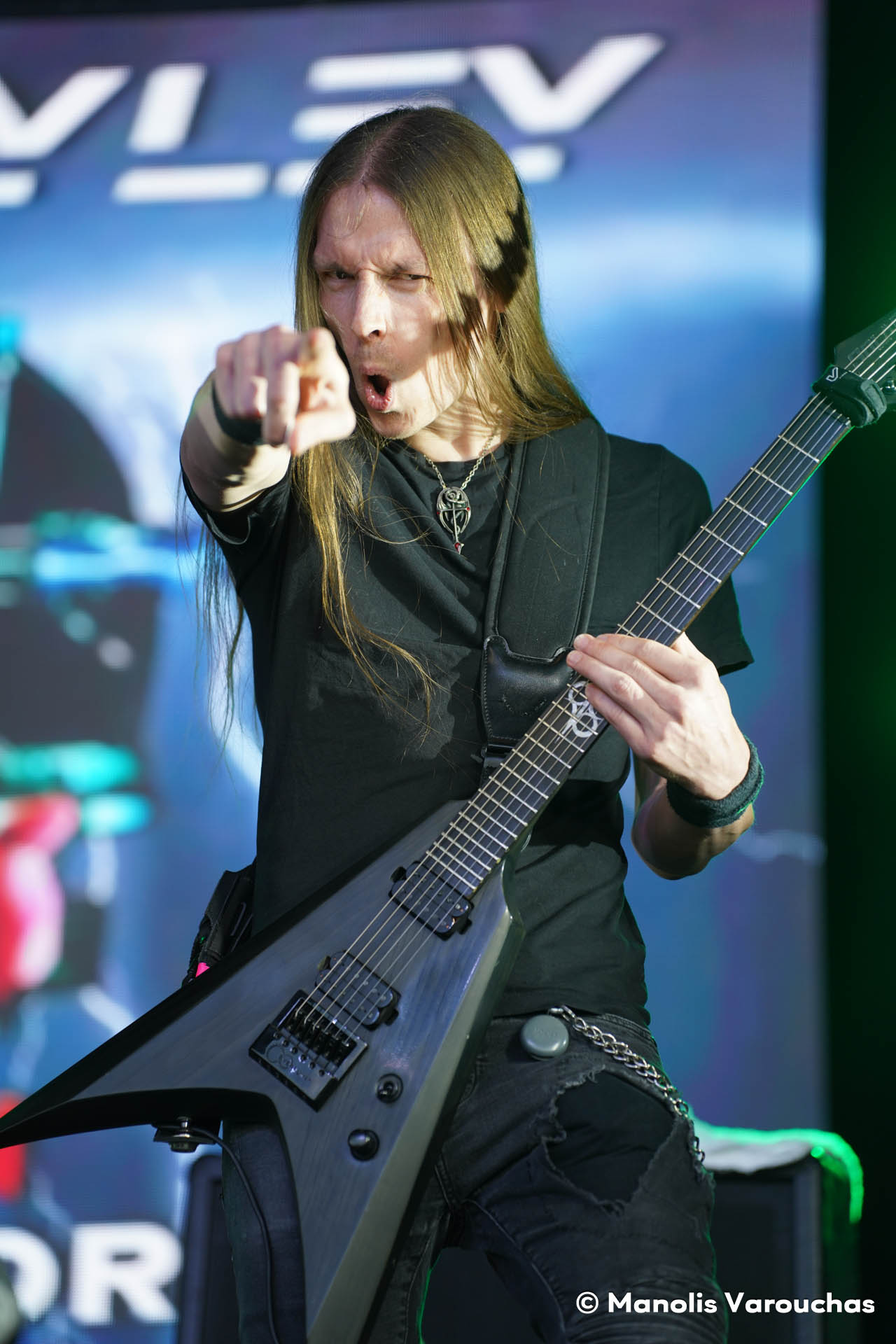
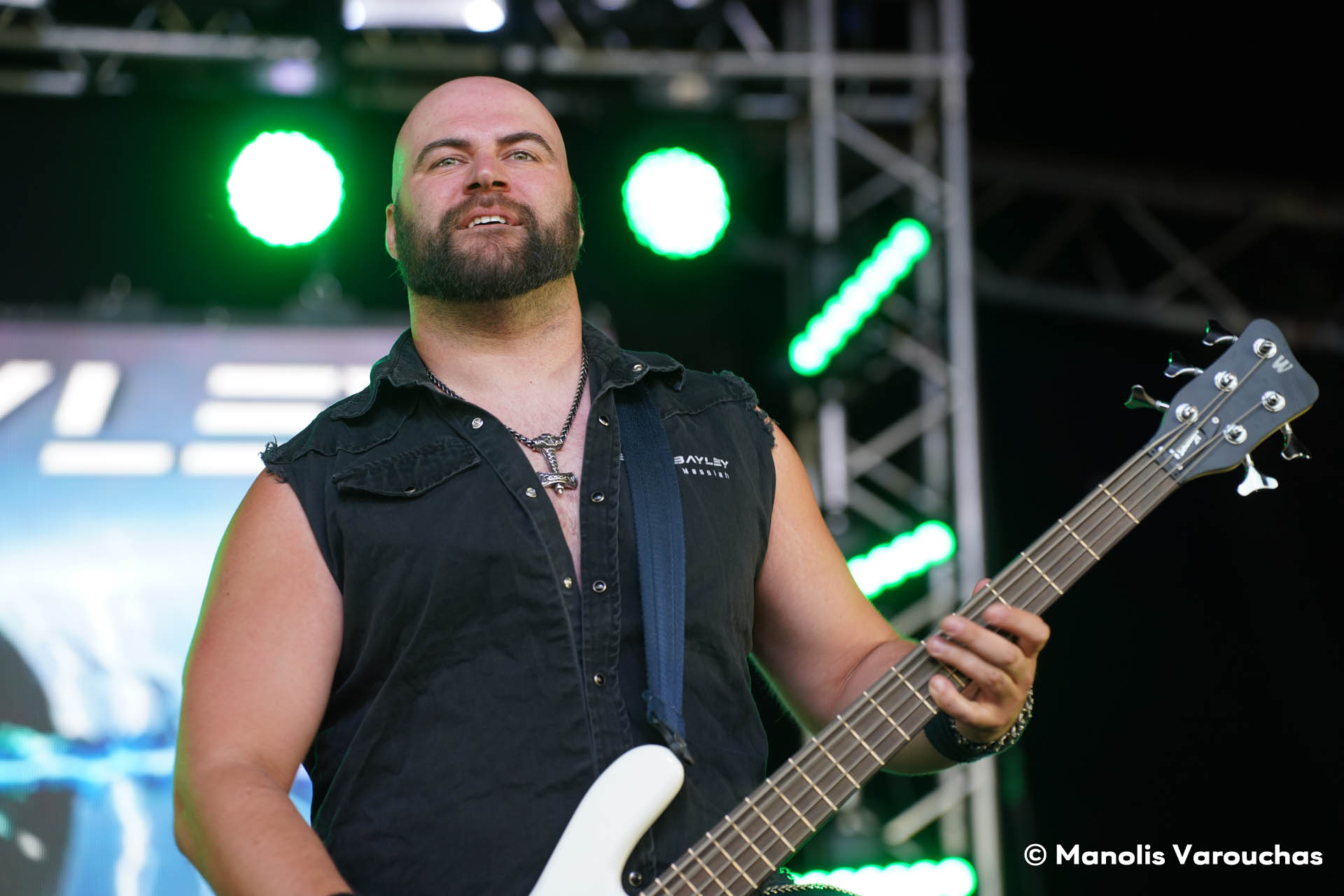
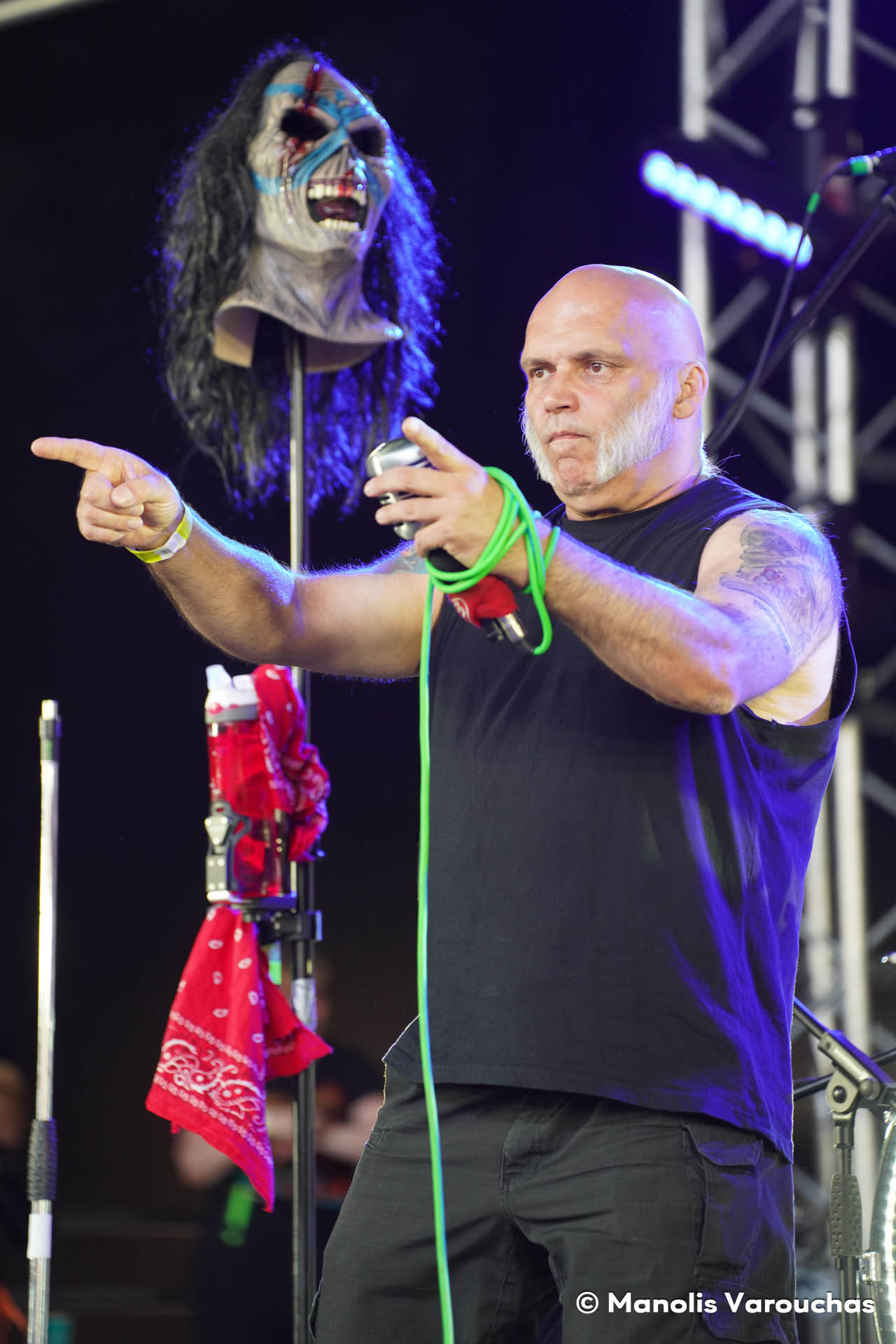
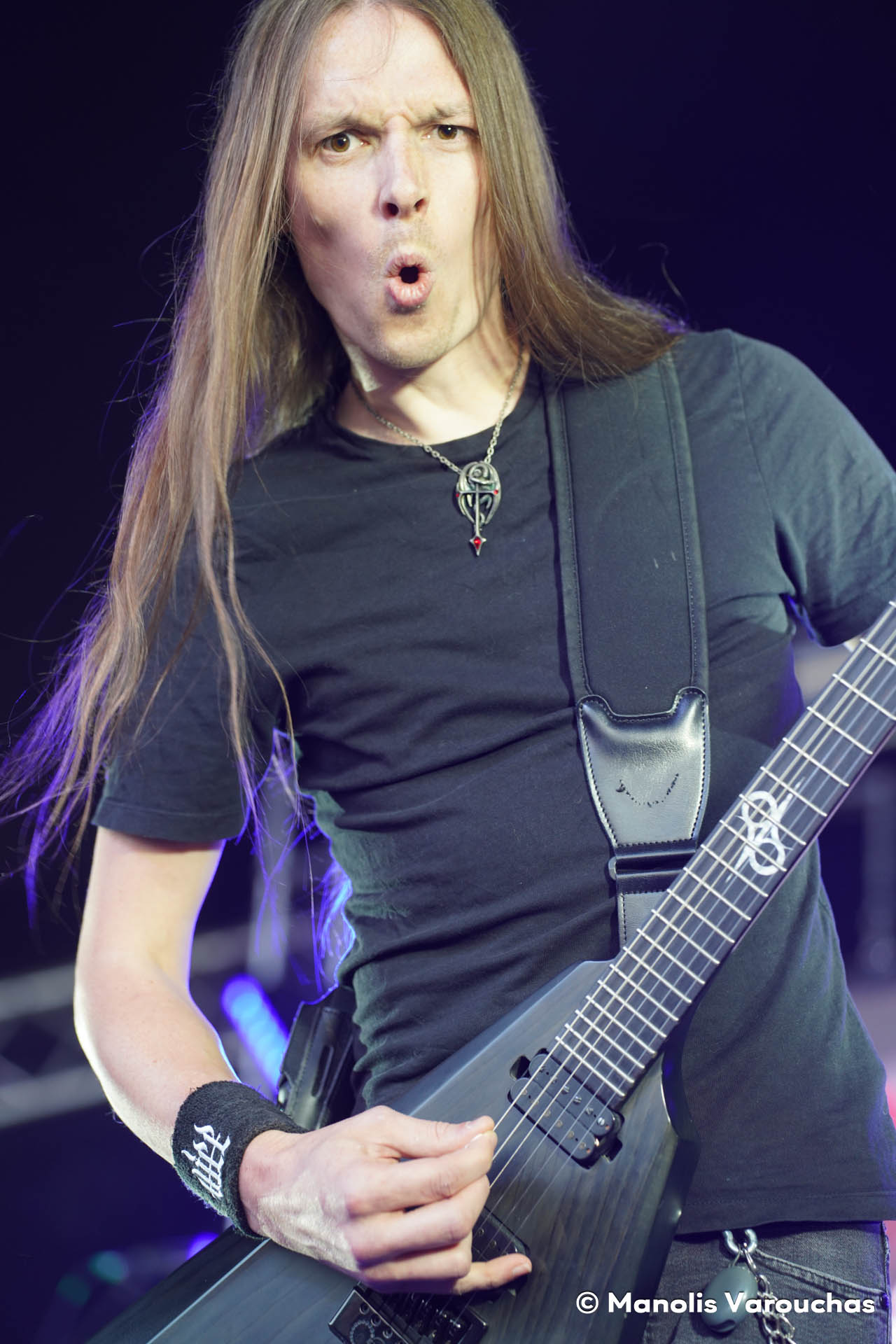
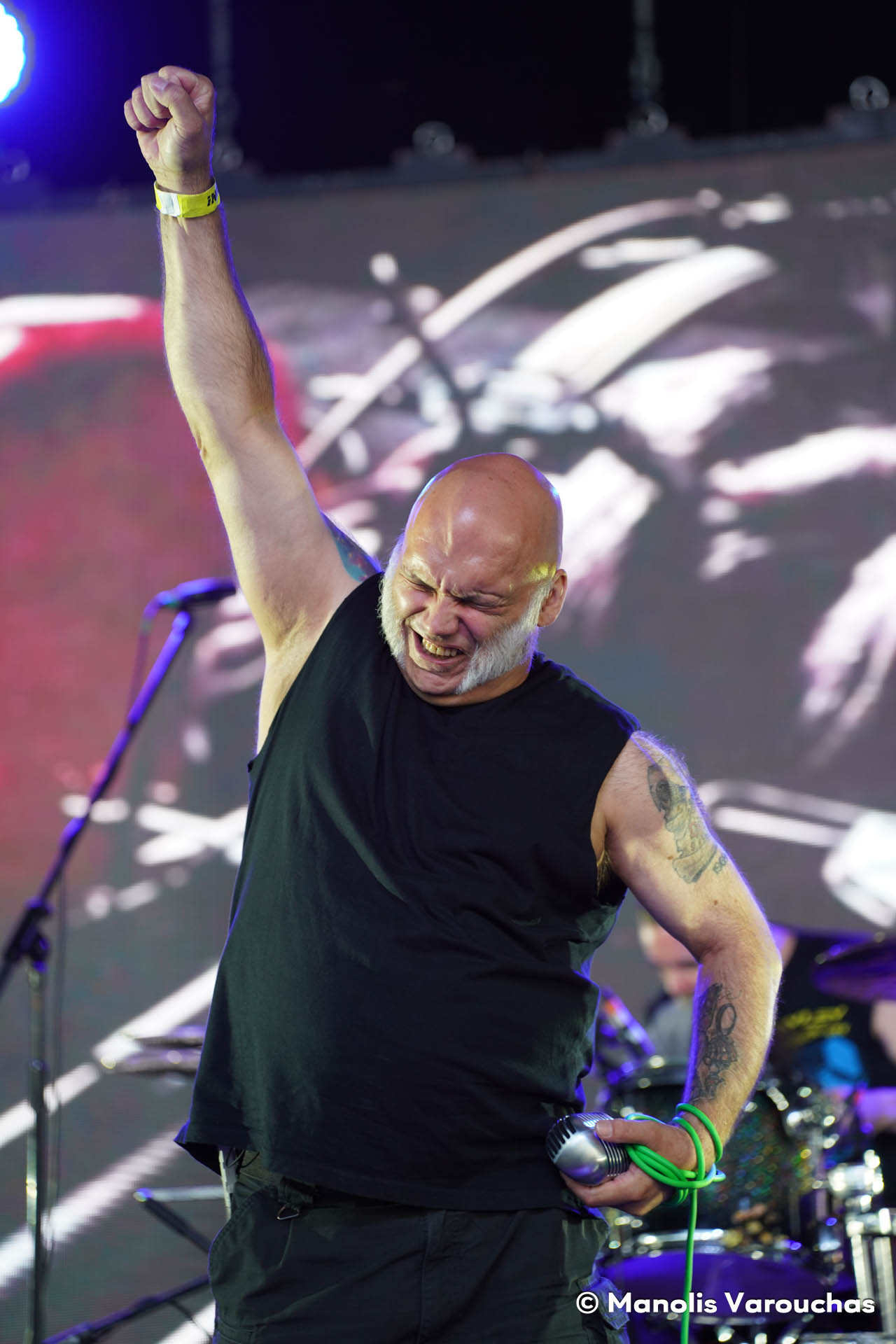
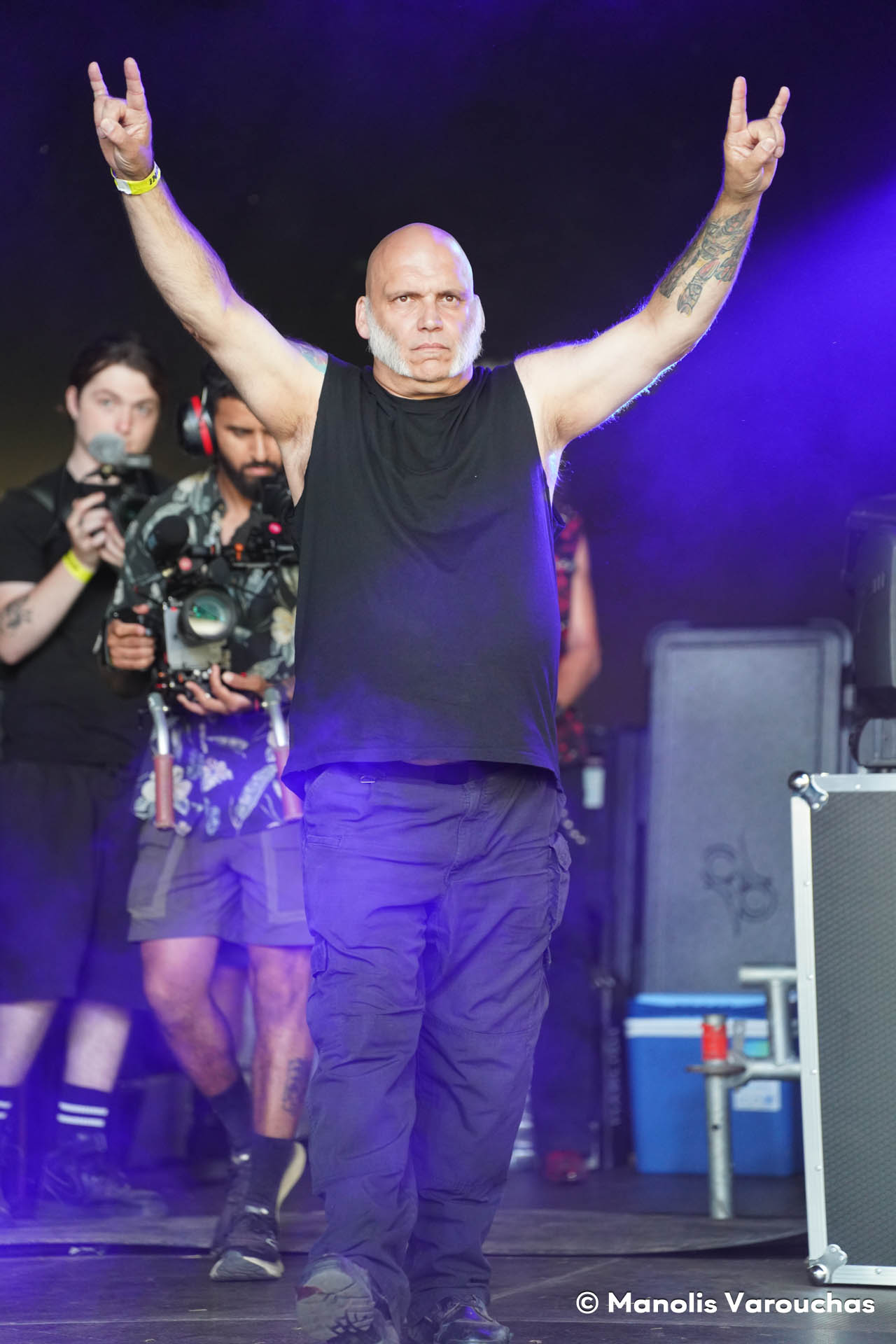
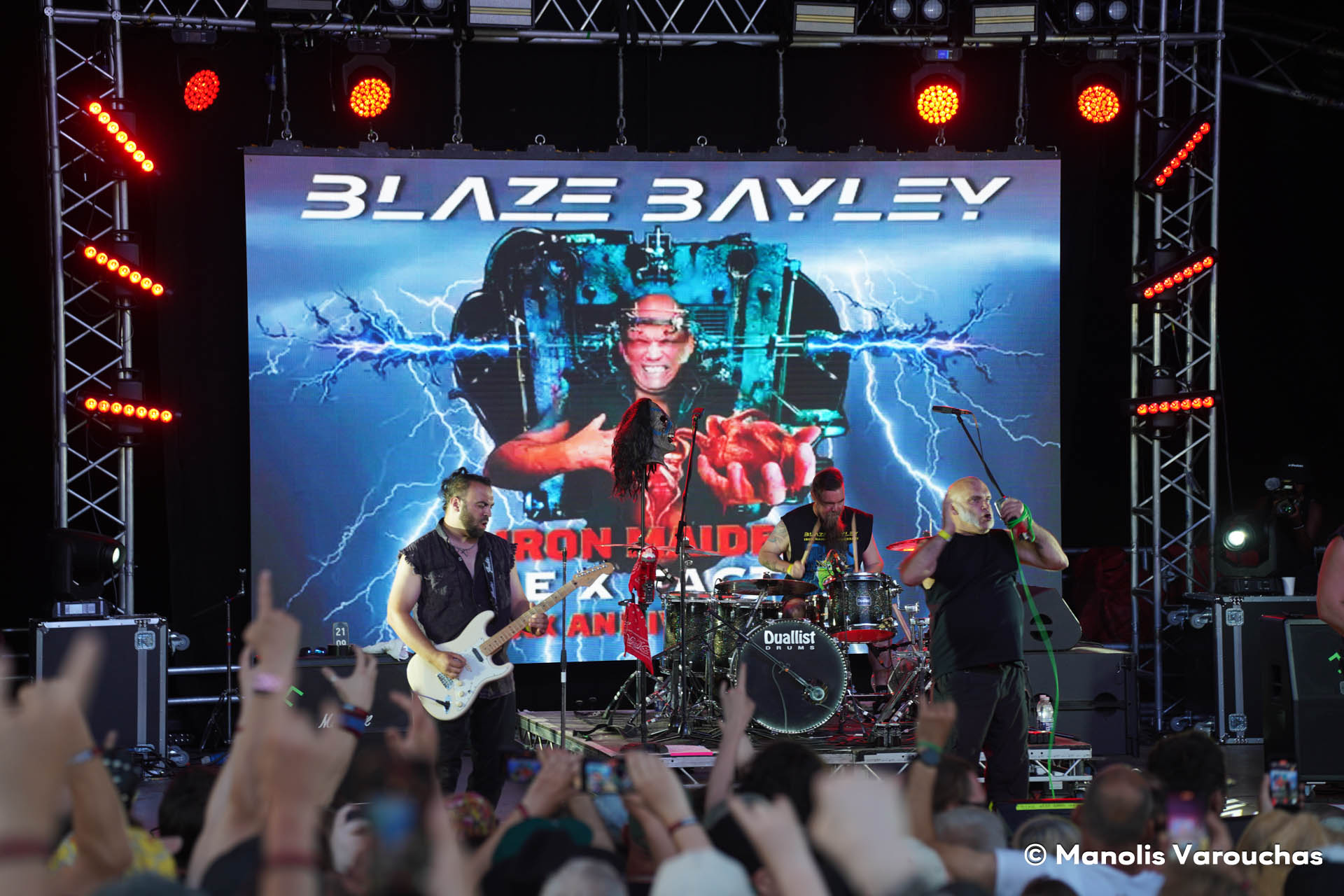
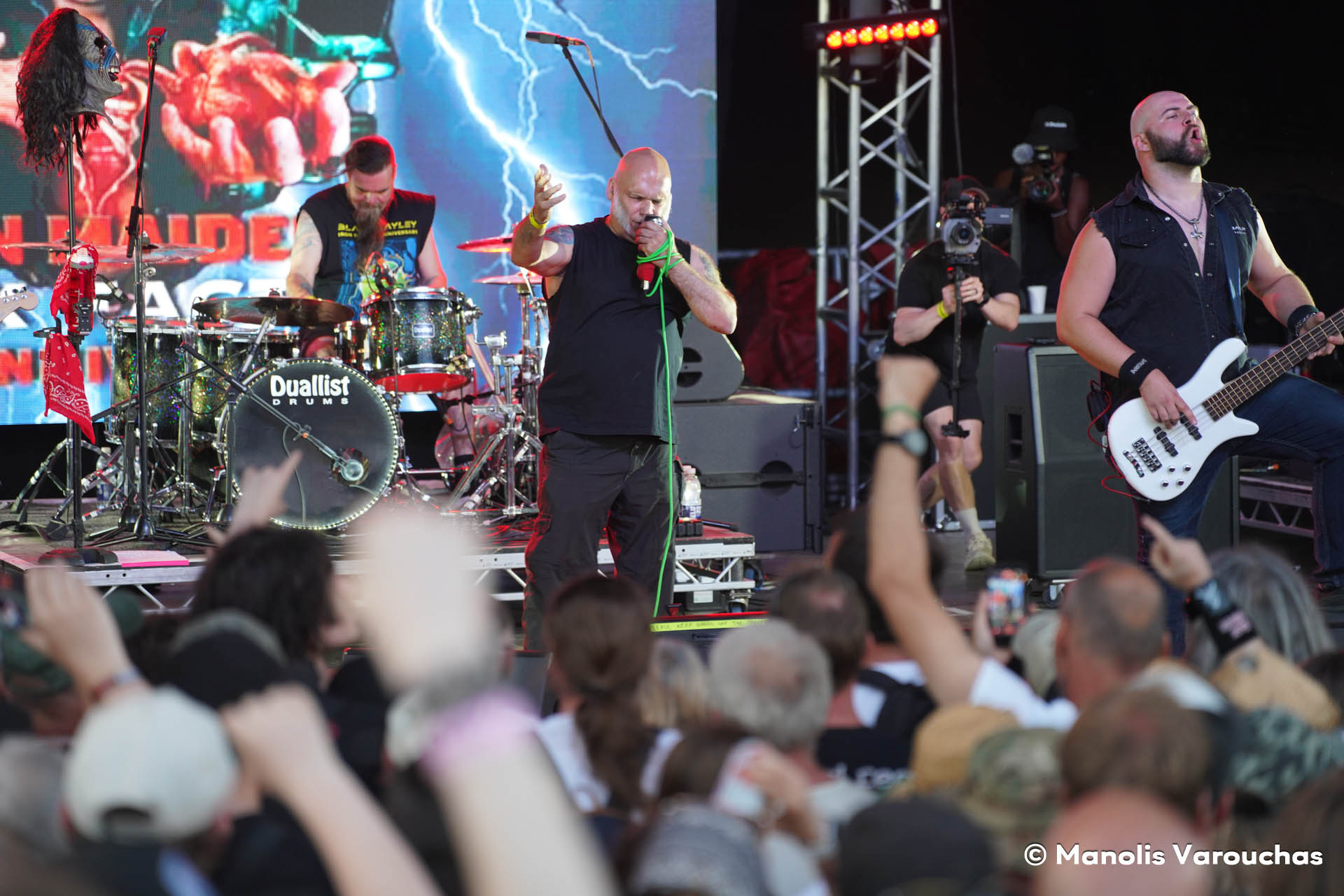
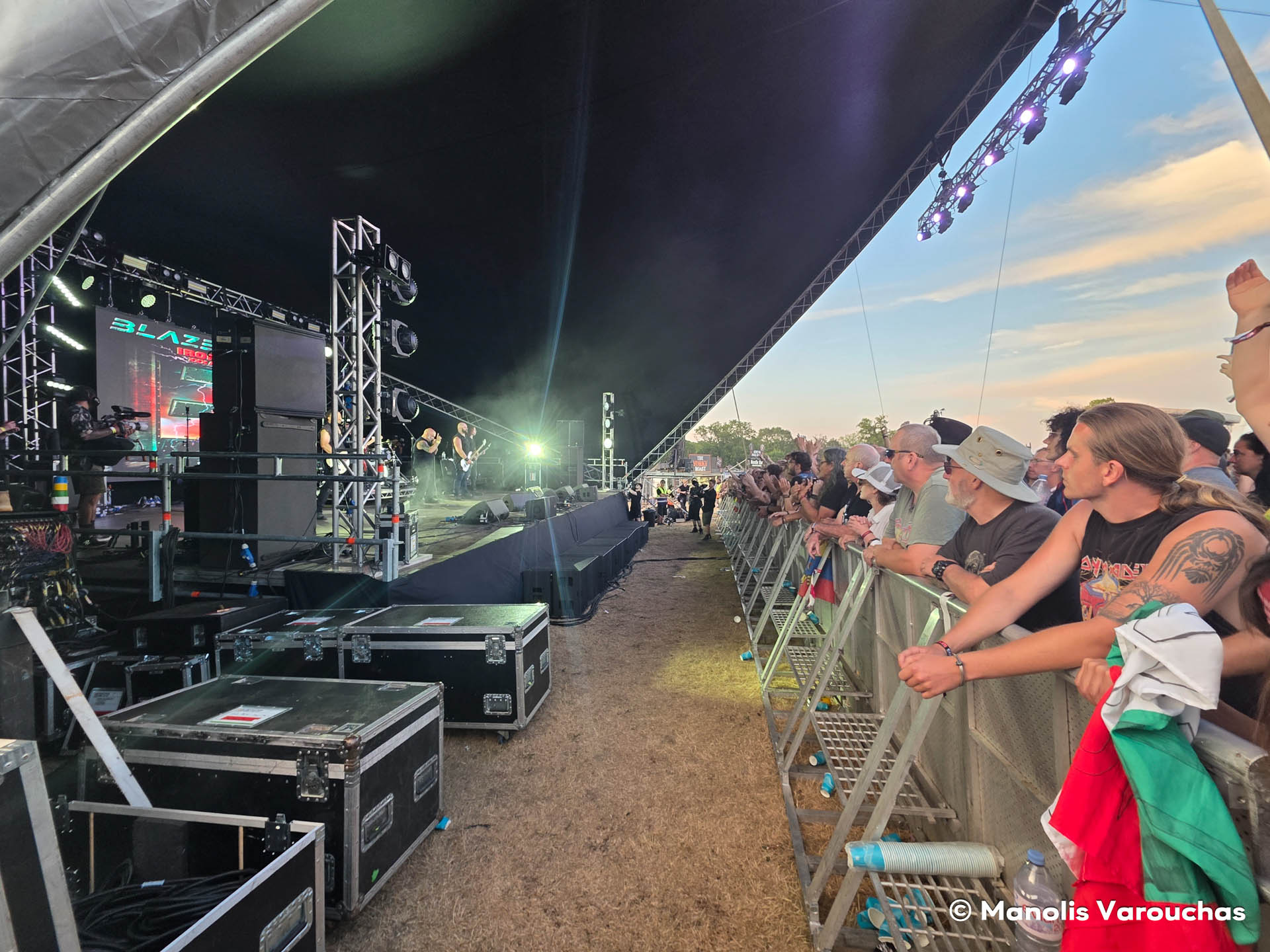
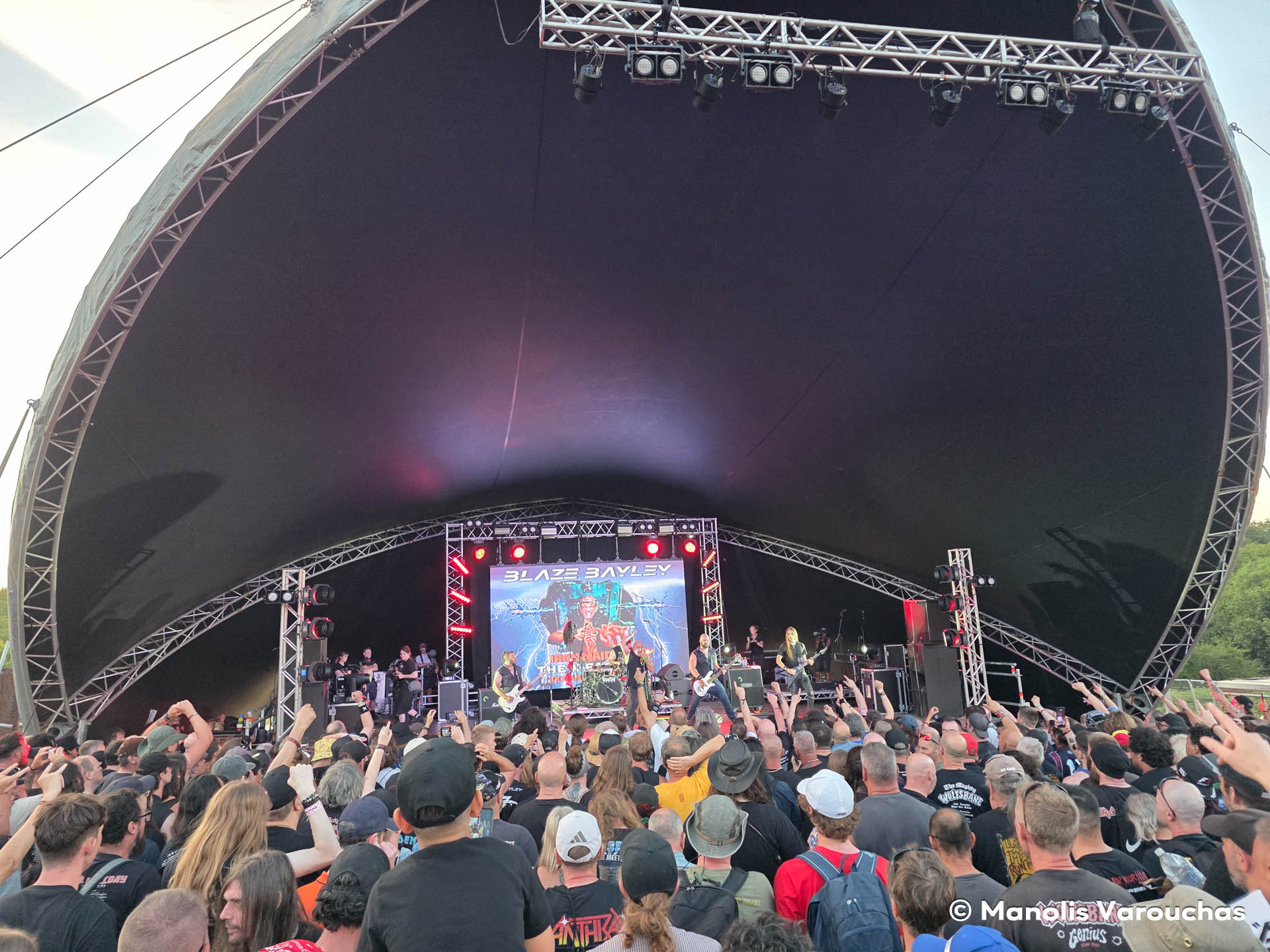
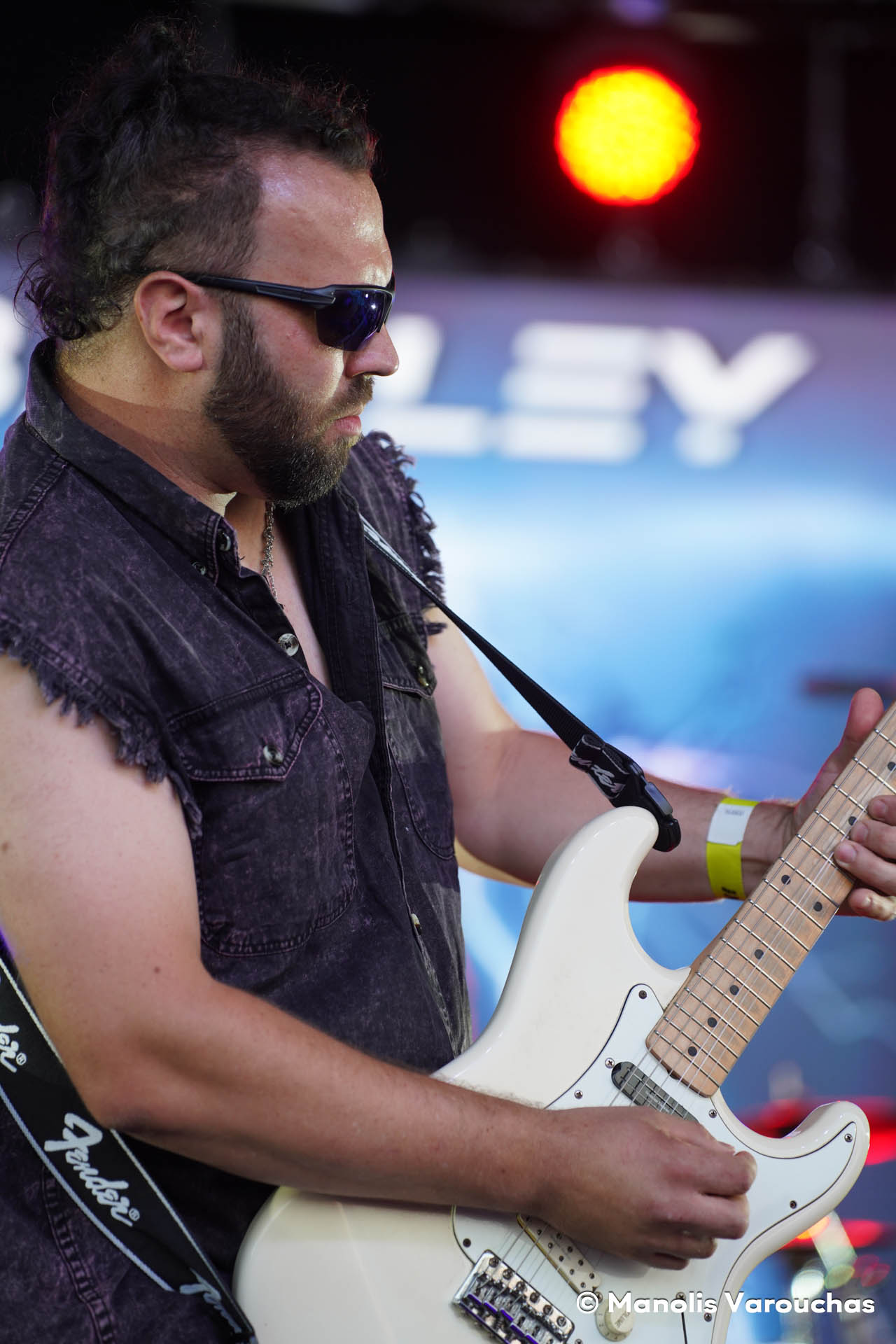
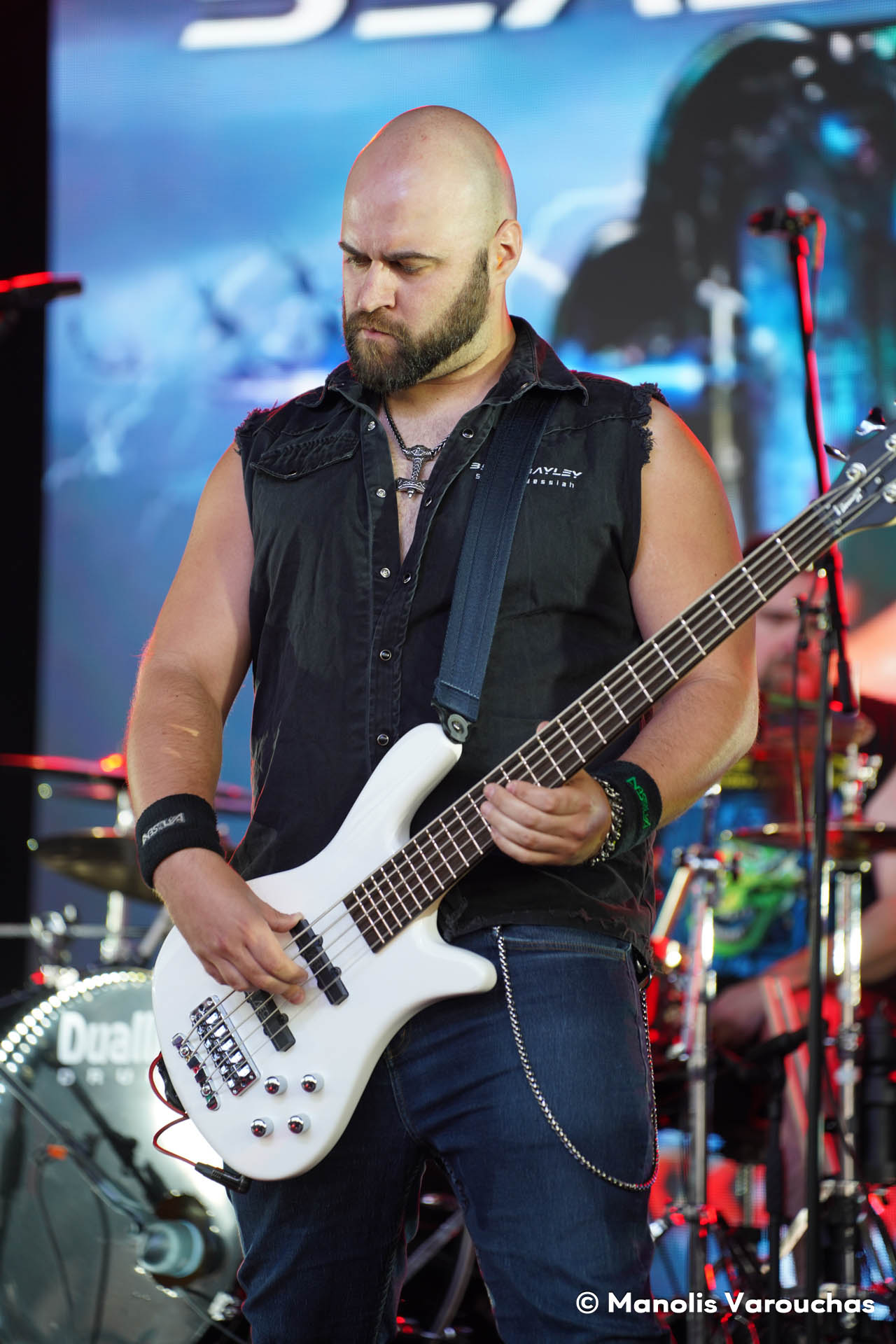
The evening belonged, however, to Blaze Bayley.
His years fronting Iron Maiden remain one of the most debated periods in the band’s history, but time has allowed many listeners to reconsider the emotional weight of those albums. At Knebworth, songs including “Sign of the Cross” and “The Clansman” were not treated as forgotten curiosities. They were welcomed by a large and passionate audience that understood their place within the wider Maiden catalogue.
Bayley appeared visibly moved by the response. His performance carried something beyond nostalgia: gratitude, survival and the awareness that moments like this do not happen often. It was a fitting emotional conclusion to a day devoted to the people and pathways that helped shape the band’s history.
A Festival Finding Its Voice
Saturday moved the action onto the main stage.
The Almighty opened the programme with muscular hard rock and the additional celebration of Ricky Warwick’s sixtieth birthday. Their songs retained their club-born energy, even when projected into the enormous open space of Knebworth.
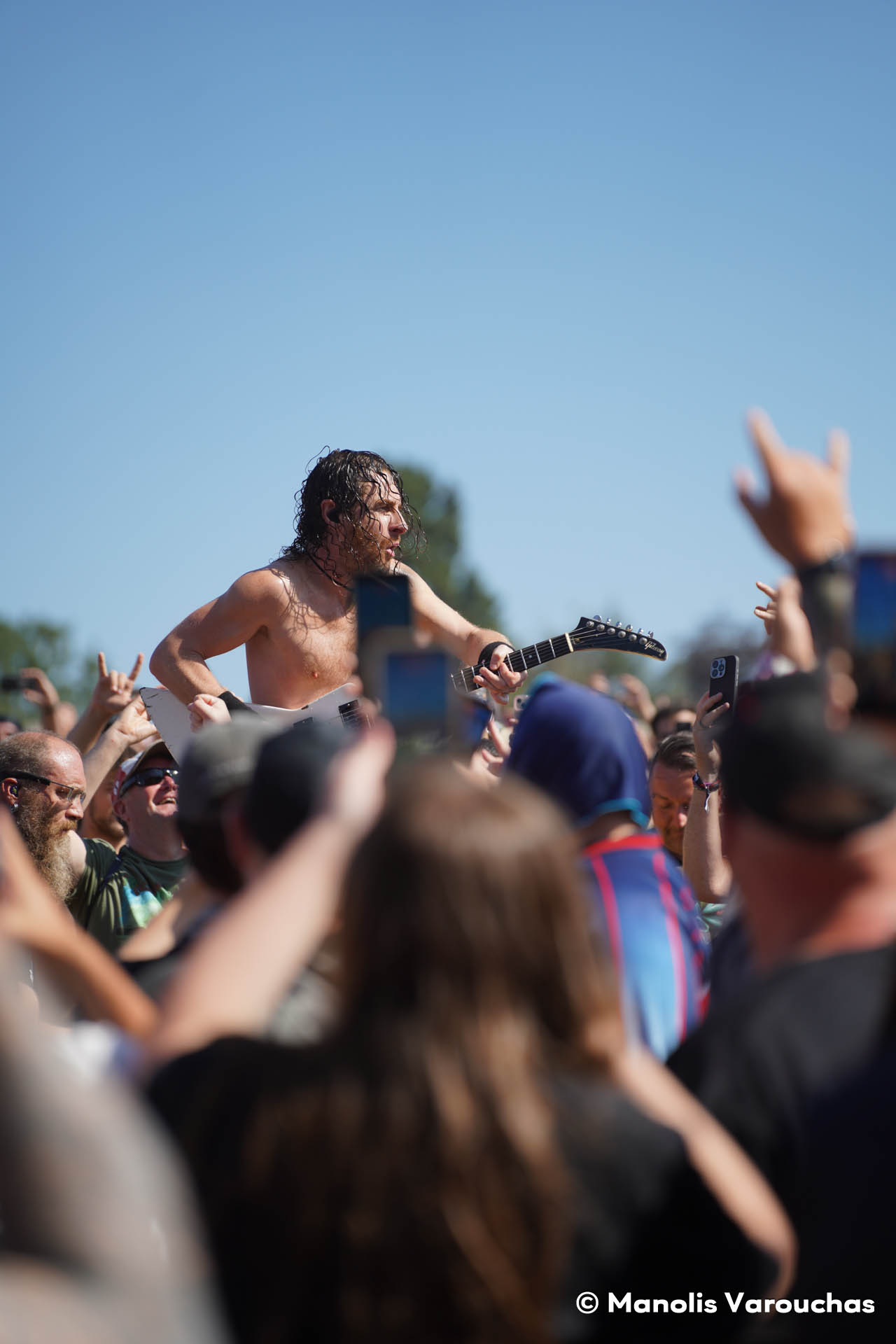
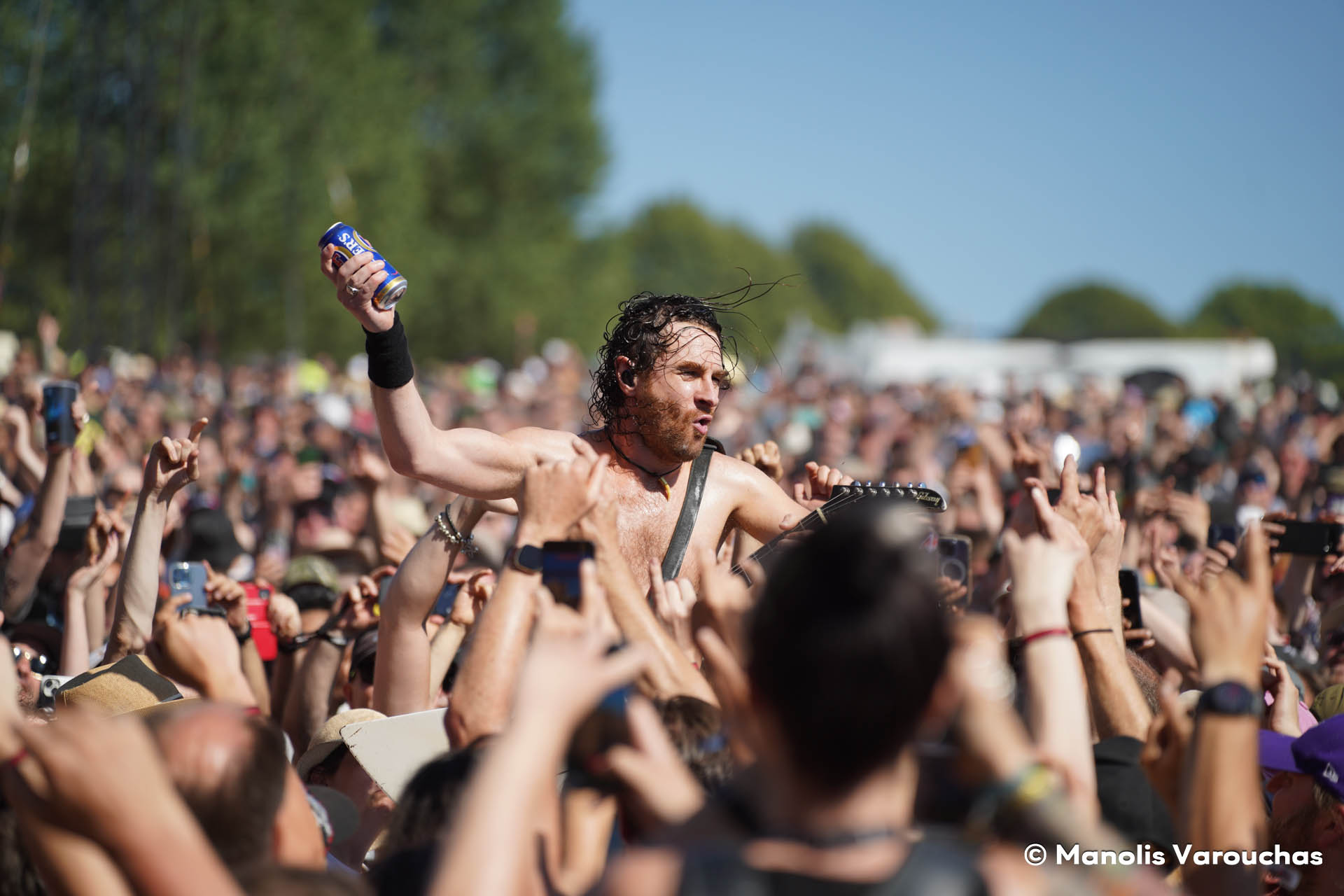
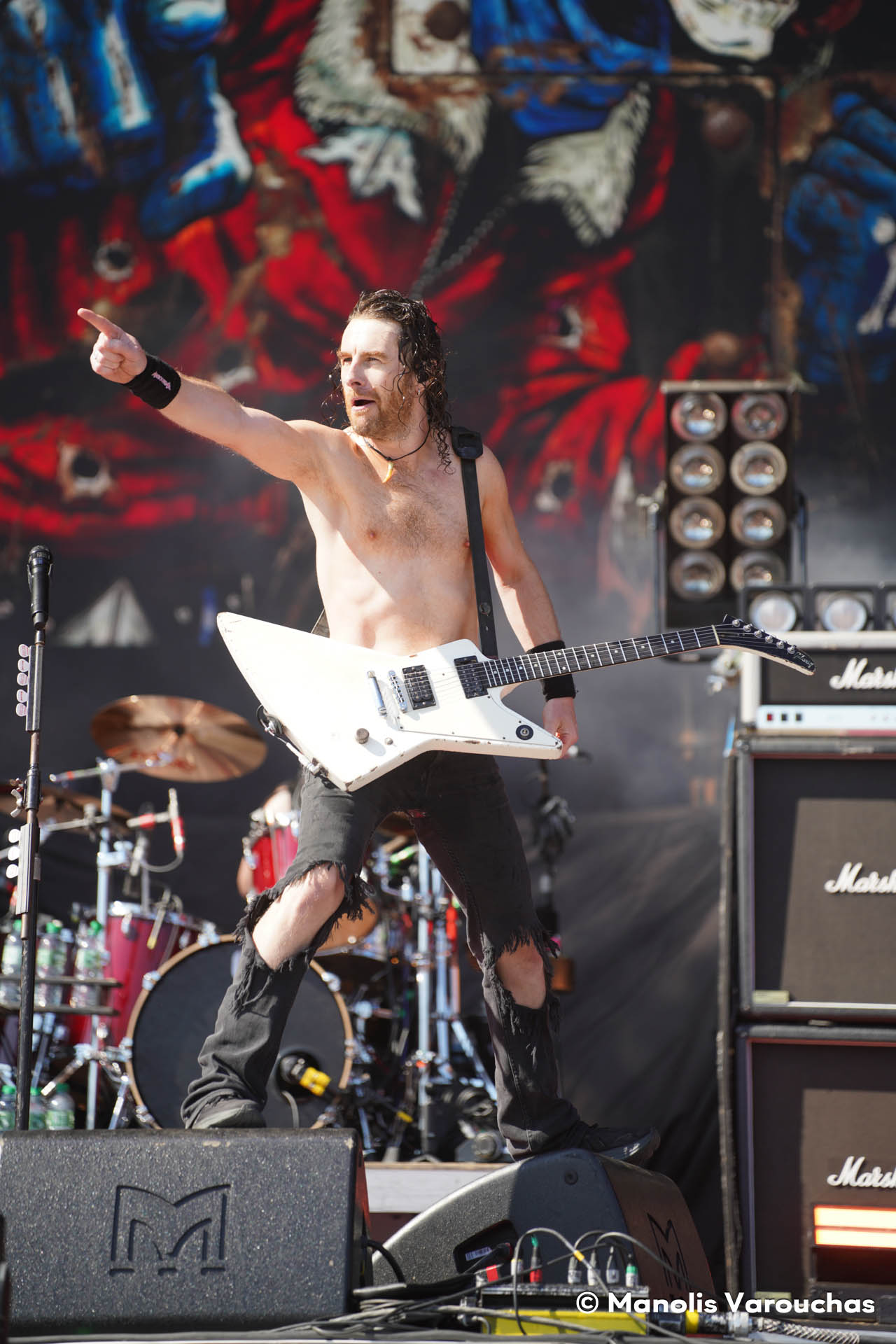
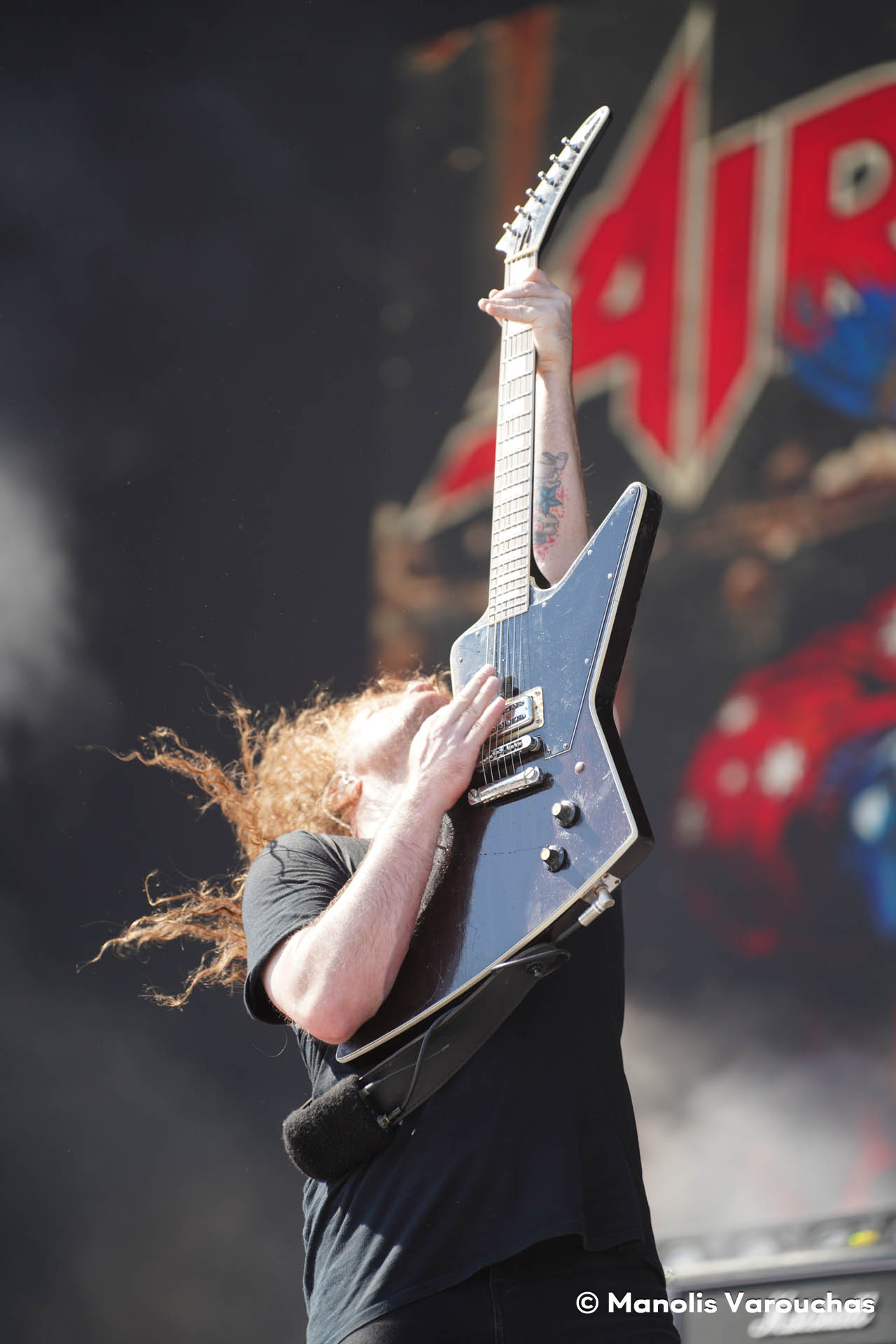
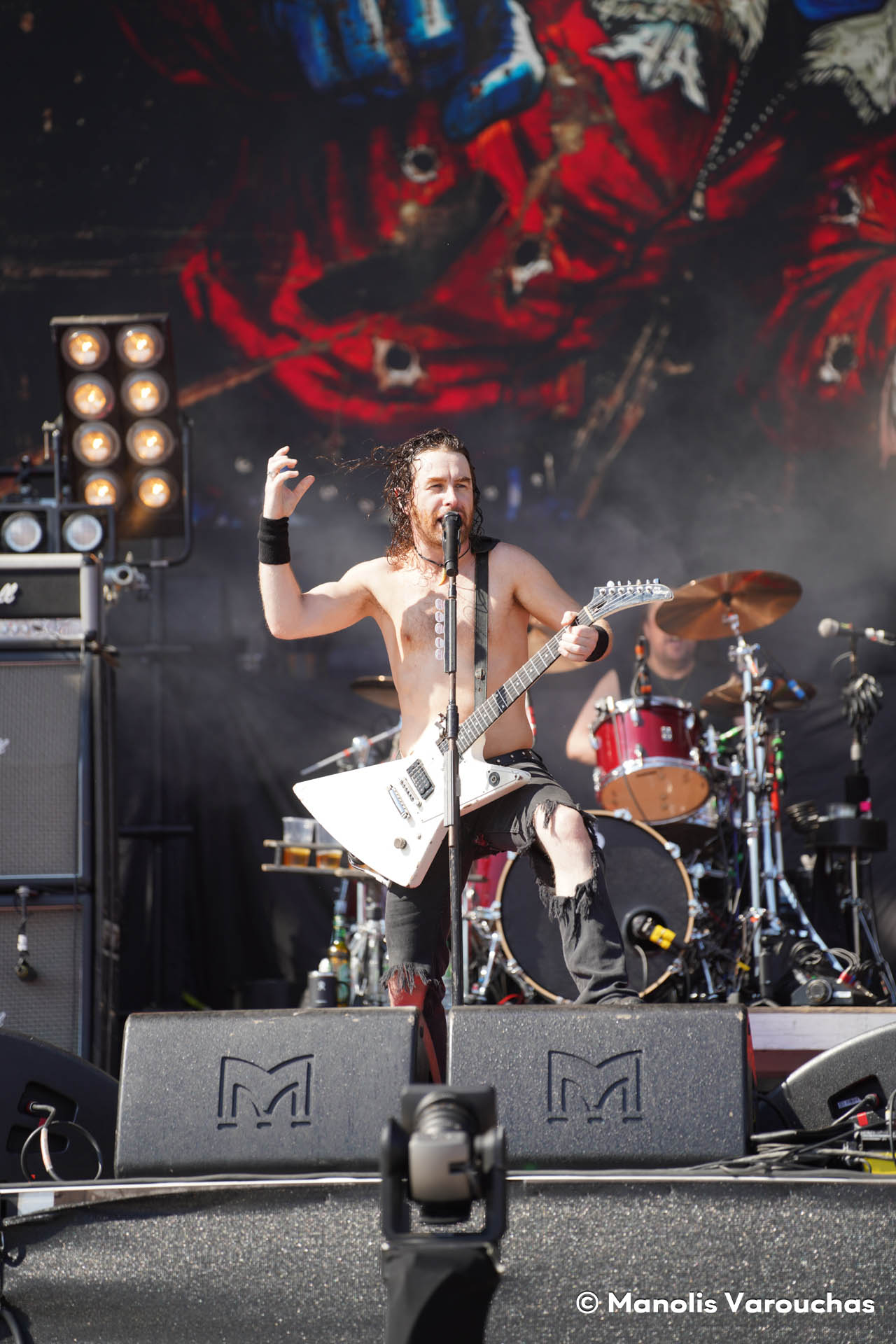
Airbourne followed with their familiar combination of volume, movement and unapologetic Australian rock ’n’ roll. Joel O’Keeffe did everything expected of him, including venturing into the audience and attempting to revive a crowd enduring the afternoon heat. “Running Wild” remained an appropriately explosive conclusion, while a brief version of Black Sabbath’s “Paranoid” acknowledged one of the foundations upon which the entire day had been built.
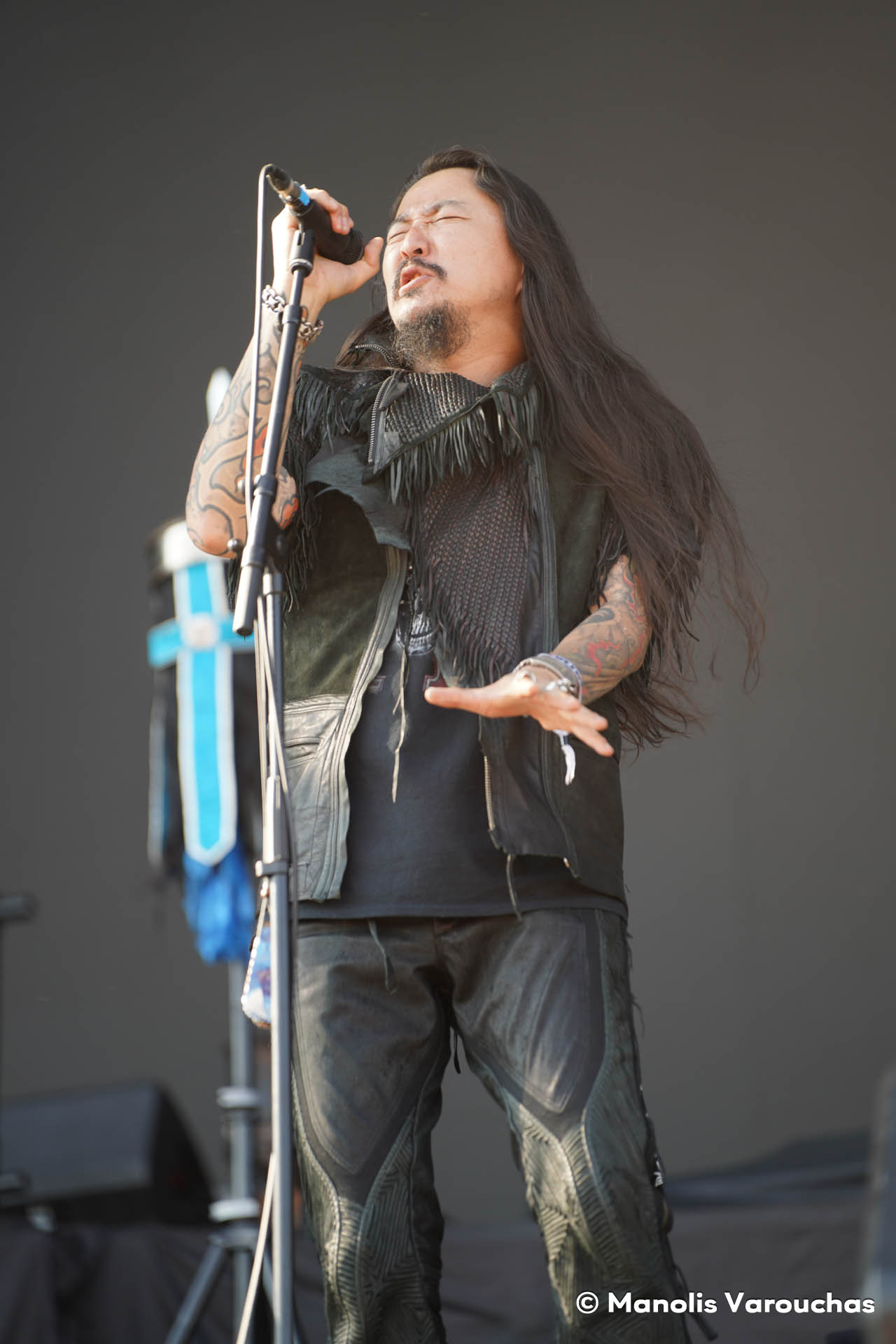
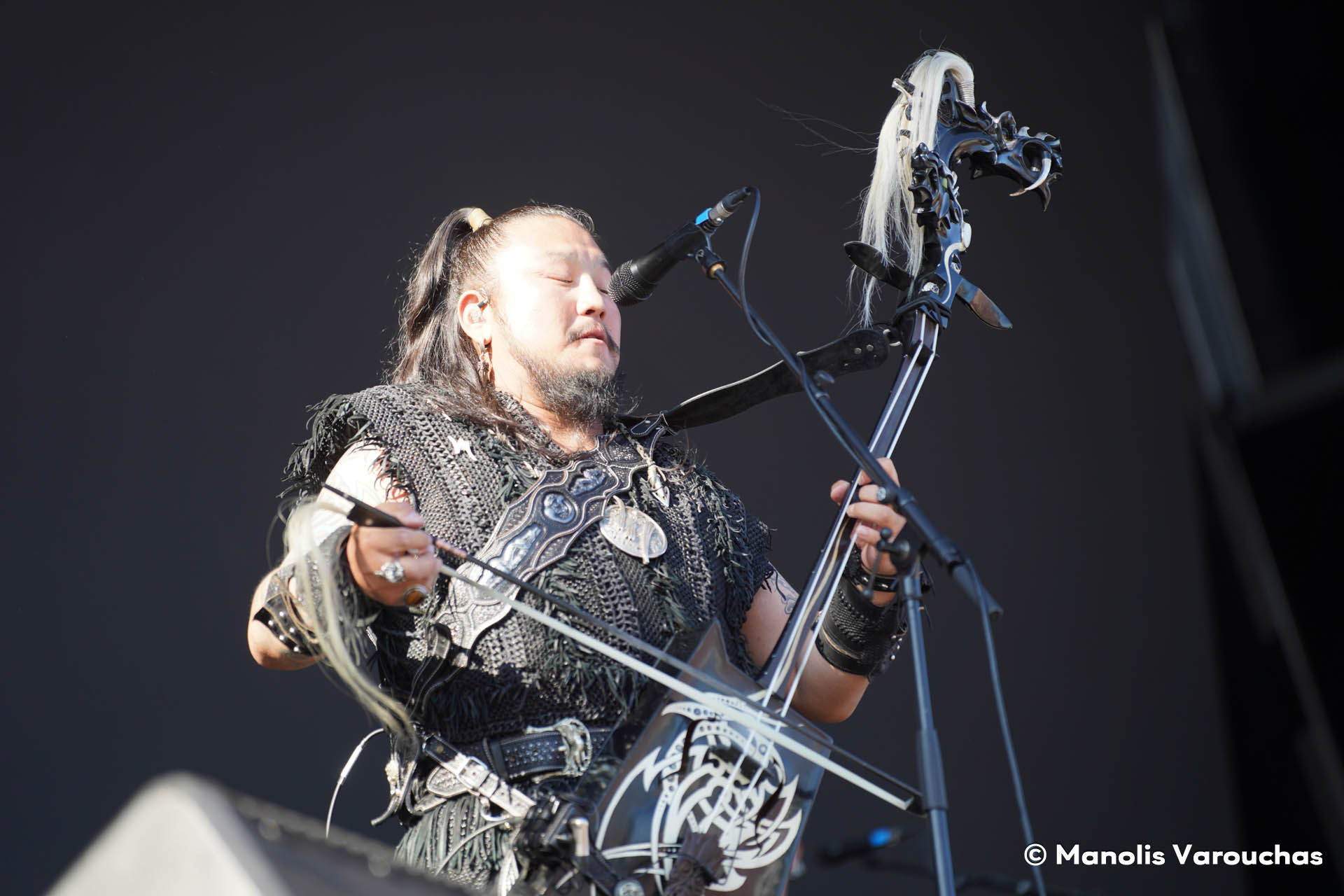
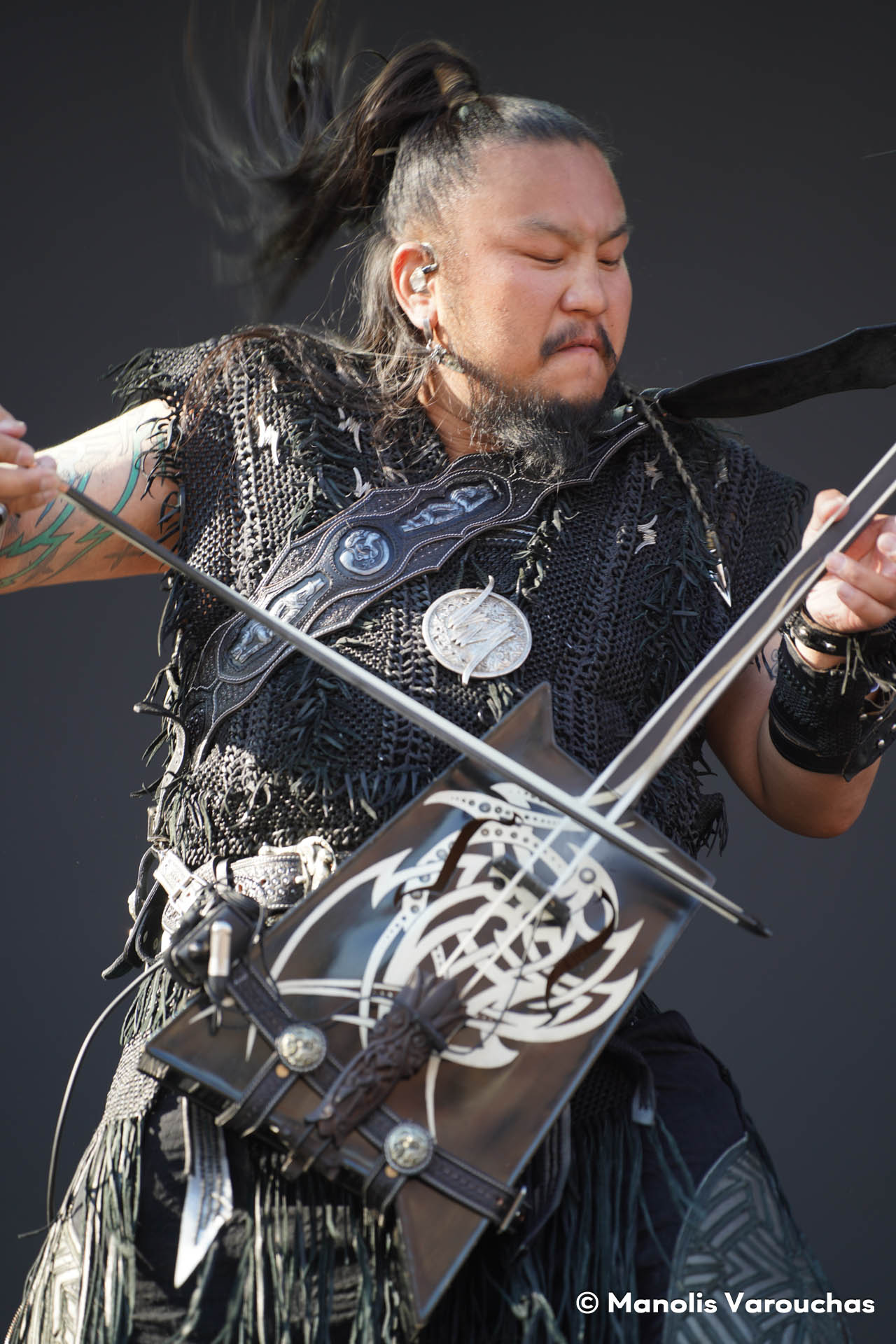
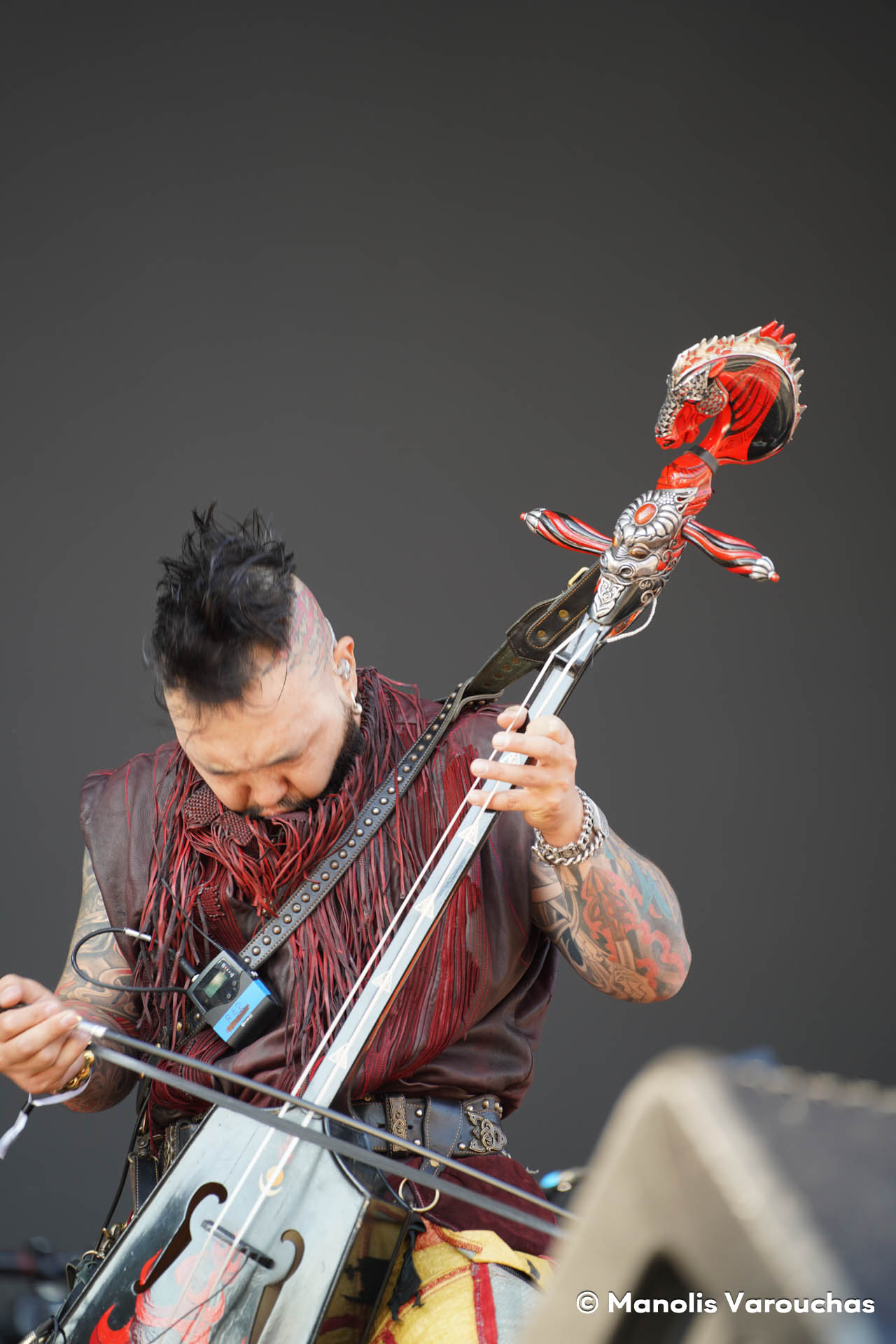
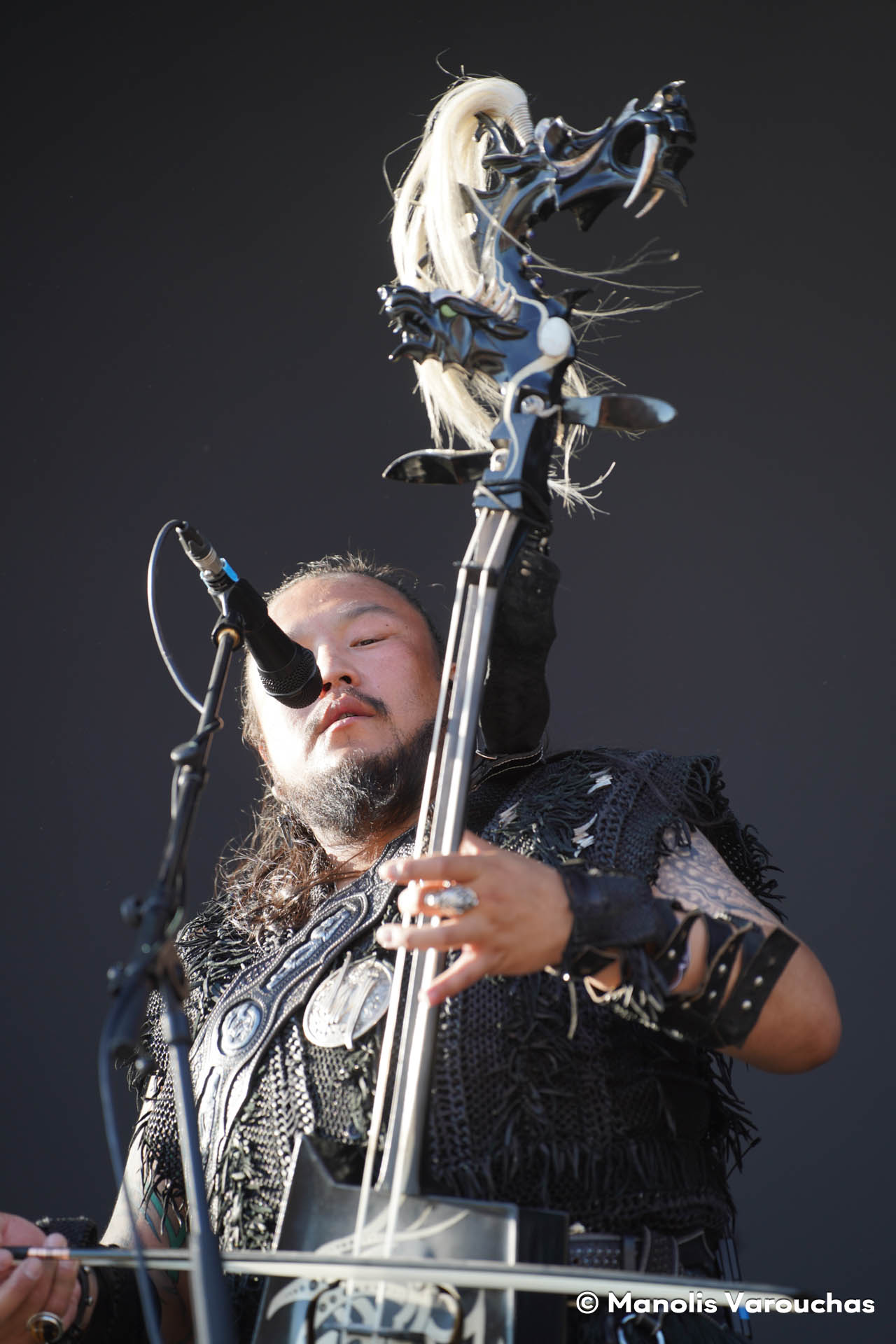
It was The HU, however, who first produced a sound truly large enough to dominate the field.
Their Mongolian folk metal was physical, hypnotic and remarkably effective in the open air. The deep pulse of their traditional instrumentation, throat singing and heavy rhythmic attack carried across Knebworth with enormous force. “Yuve Yuve Yu” and “Wolf Totem” transformed the festival field into something almost ritualistic, proving once again that music does not need a shared language to communicate directly with an audience.
Of all the supporting acts, The HU felt most naturally suited to the scale of the occasion.
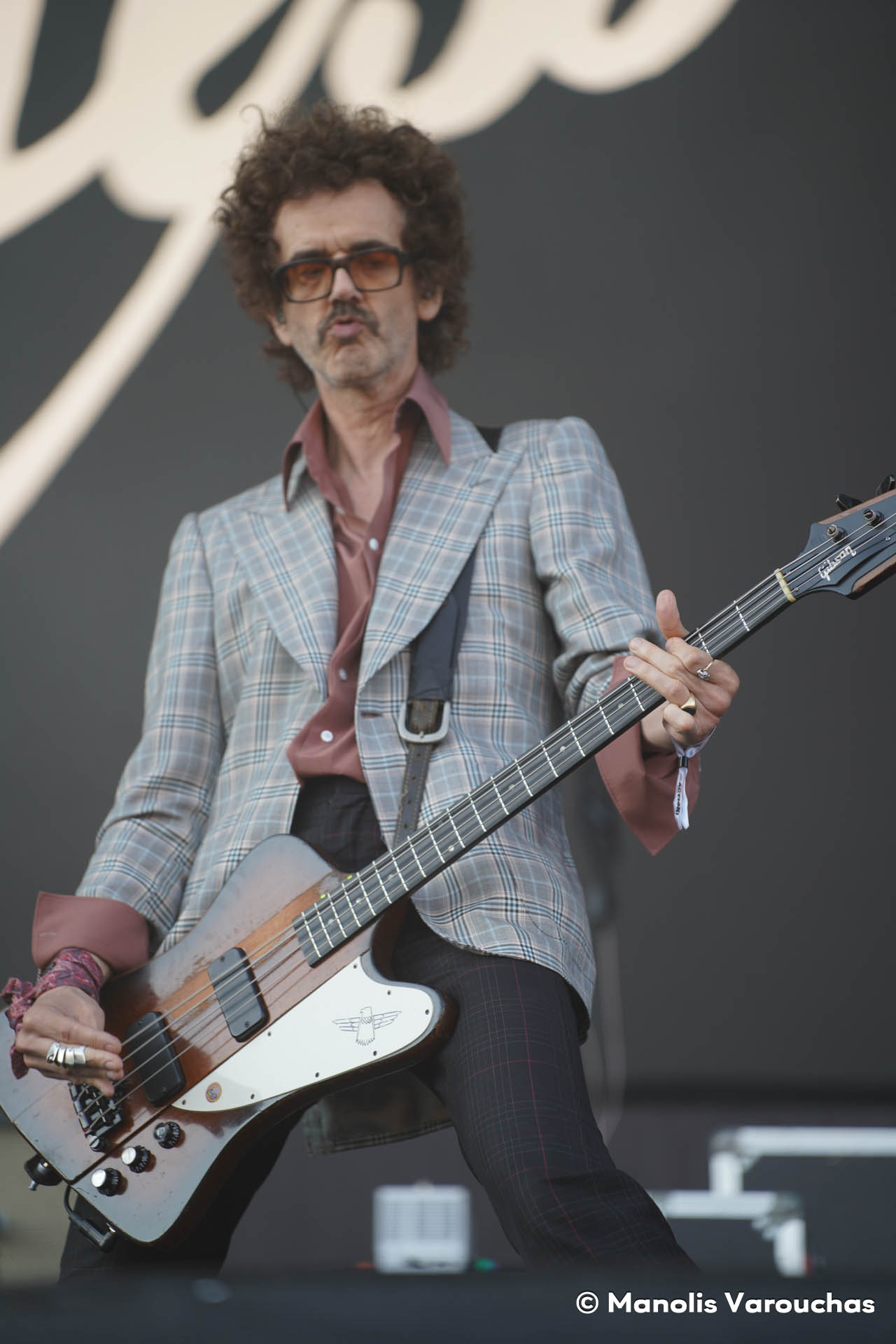
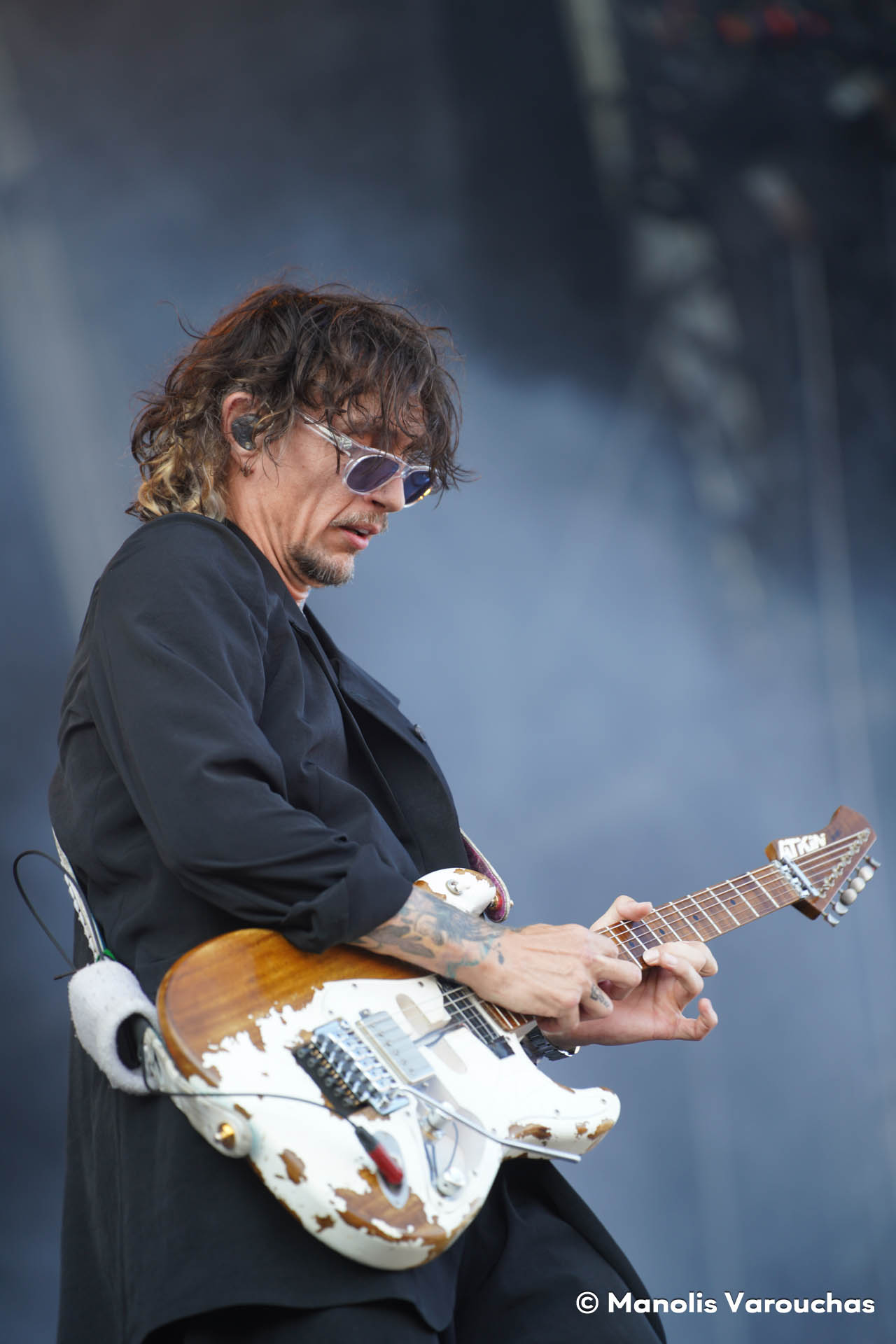
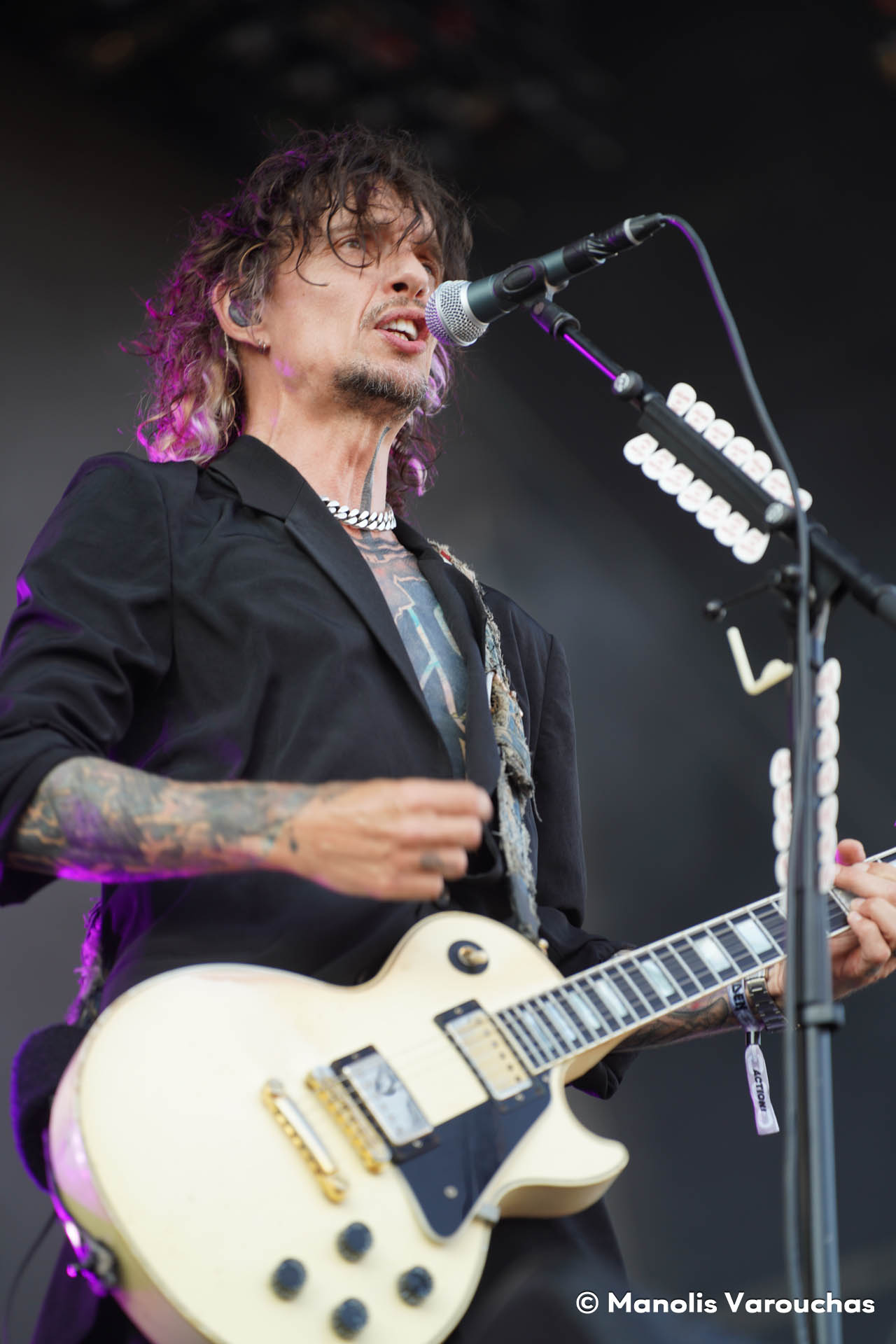
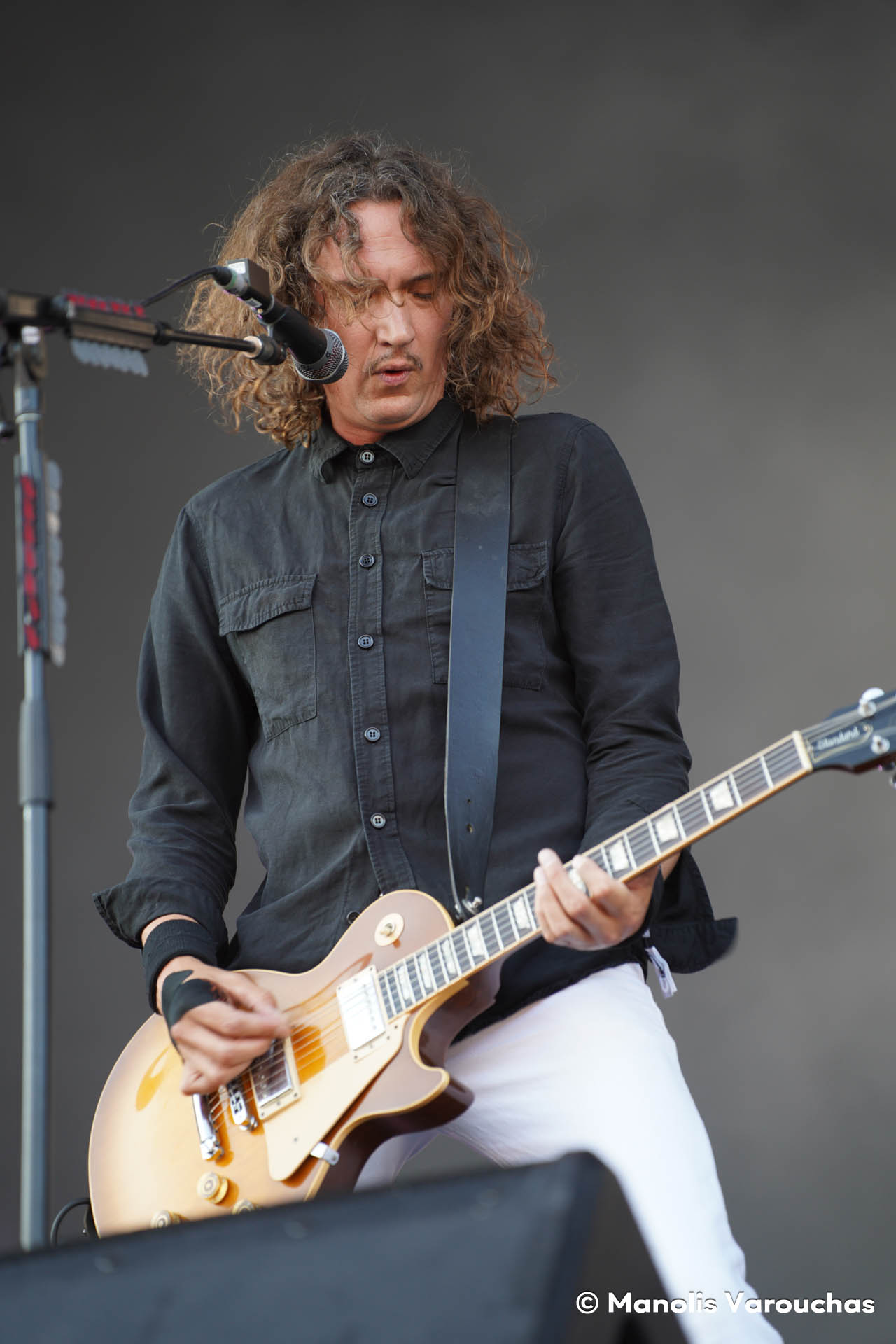
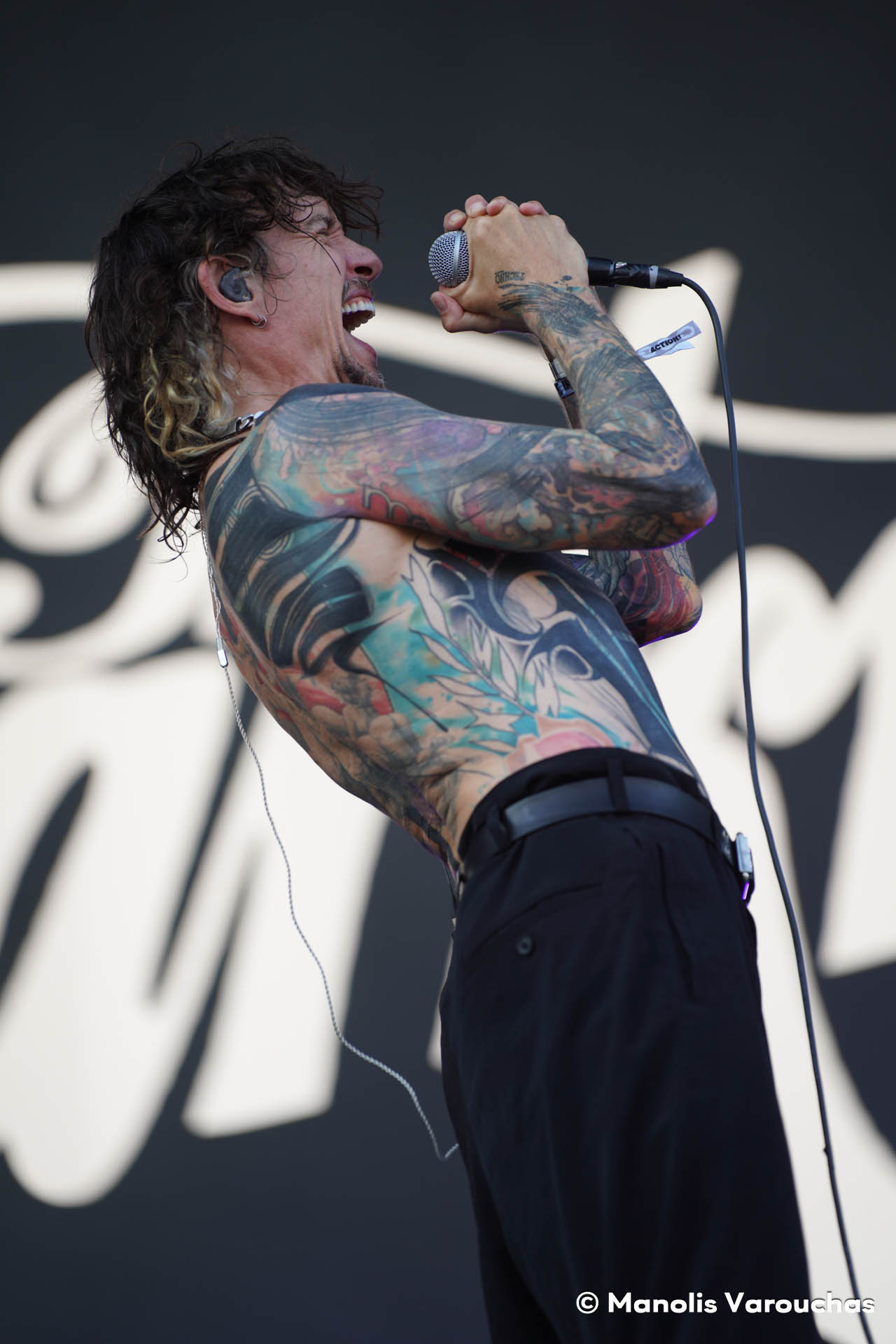
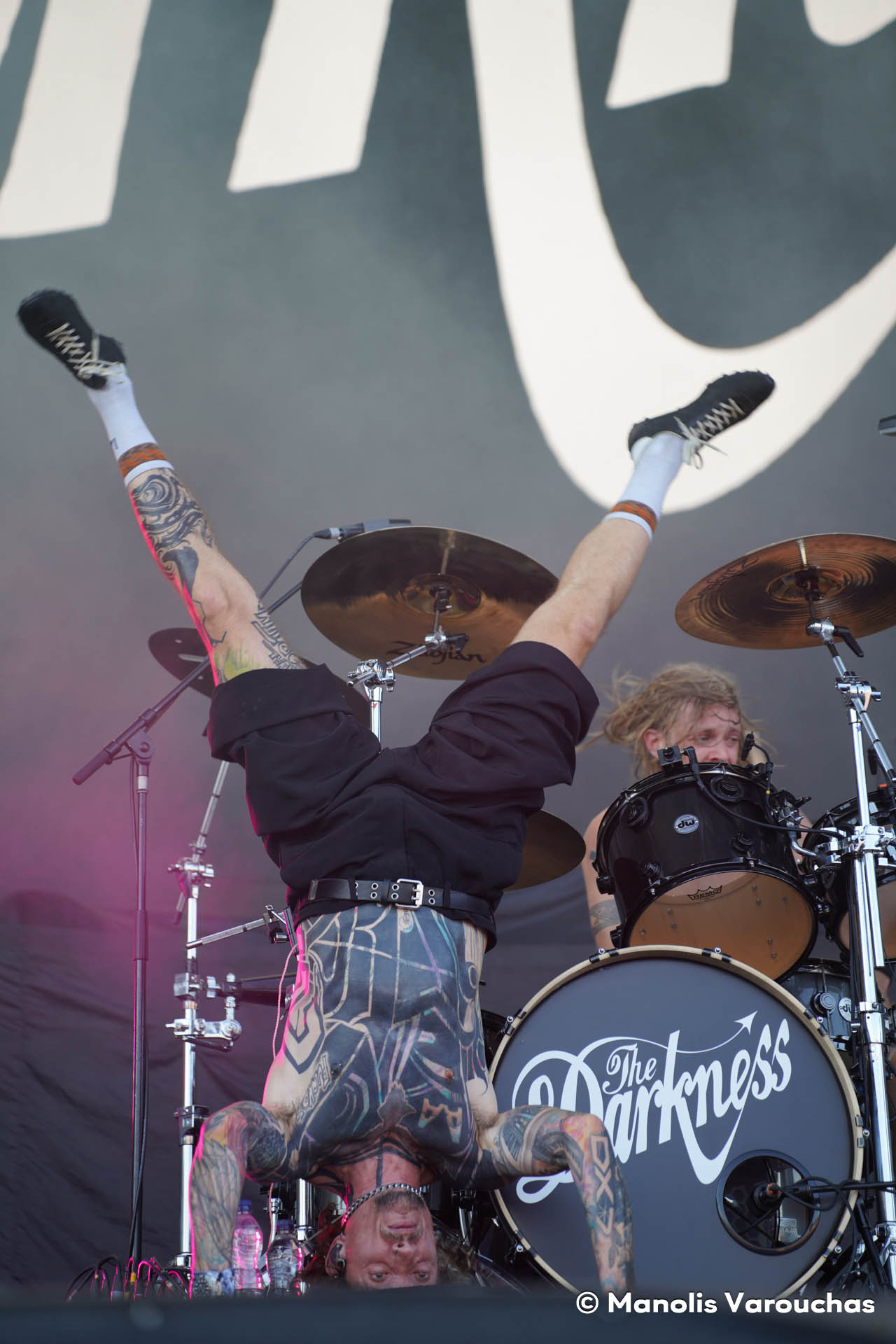
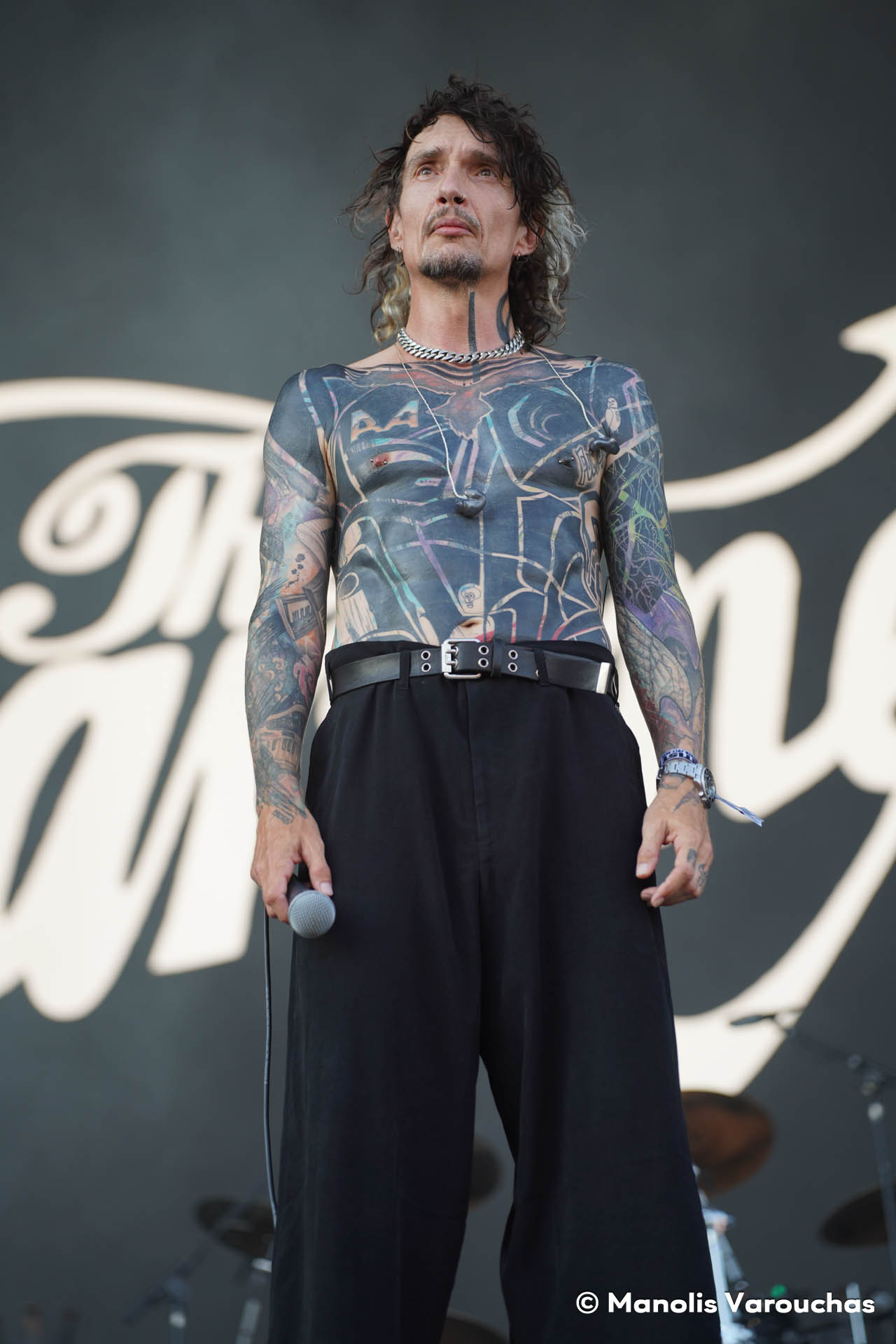
Then came The Darkness.
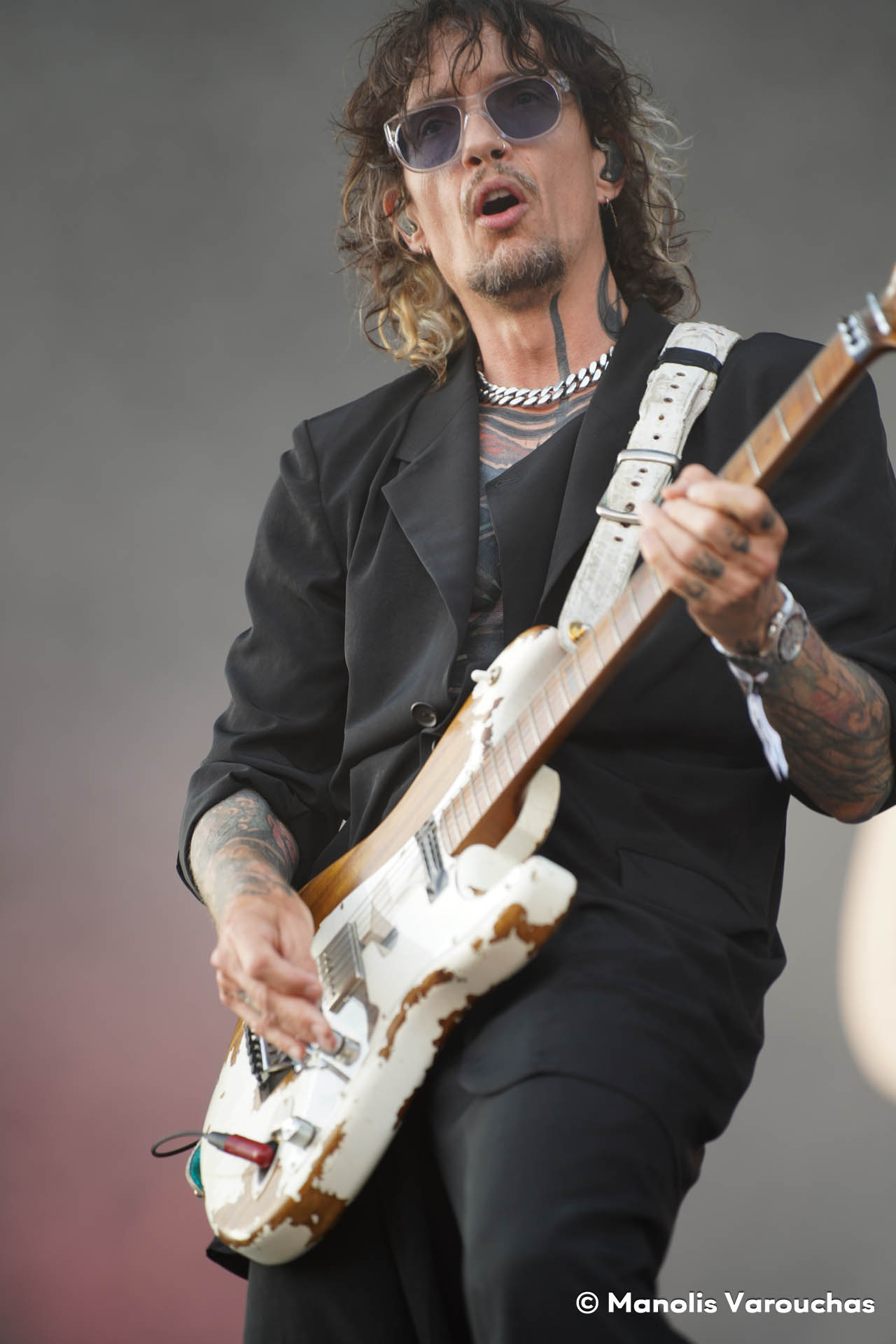
Their position on the bill may initially have appeared unusual to anyone expecting an exclusively traditional metal line-up, but the band quickly justified their presence. Justin Hawkins remains one of British rock’s most charismatic and theatrical frontmen, combining humour, flamboyance and genuine vocal ability without treating any of them as mutually exclusive.
After beginning with newer material, the set moved towards the songs the audience had been waiting for. “Growing on Me”, “Get Your Hands Off My Woman” and the inevitable “I Believe in a Thing Called Love” brought a lighter, celebratory character to the late afternoon. A playful reference to Led Zeppelin was particularly appropriate on grounds so closely connected with British rock history.
The Darkness did not attempt to compete with Iron Maiden on their own terms. Instead, they provided colour, humour and old-fashioned entertainment immediately before the evening’s main ceremony.
More Than a Support Bill
Not every band fitted seamlessly into the broader Maiden narrative. The Saturday line-up sometimes felt less connected to the headliners than Friday’s carefully assembled journey through the group’s past.
But perhaps that contrast was necessary.
Friday belonged to history, former members and deep connections. Saturday belonged to the scale of the occasion: hard rock, folk metal, theatrical excess and, finally, the band around whom the entire world of Eddfest had been constructed.
What made the weekend special was not simply the quality of the performances. It was the sense of total immersion. Eddfest gave fans the opportunity to walk through Iron Maiden’s past before watching the band perform in the present. It connected early musicians with current audiences, old stage props with modern production and lifelong devotees with younger fans experiencing their first Maiden show.
Most anniversary events look backwards.
Eddfest looked backwards, but it never felt trapped there.
The museum, Maidenville, the archive pieces and the appearances by former members demonstrated the weight of fifty years. Yet the size of the crowd, the enthusiasm across generations and the anticipation building in front of the main stage made one thing equally clear: Iron Maiden are not being remembered as a band that once mattered.
They still matter.
As UFO’s “Doctor Doctor” eventually began to play through the speakers and the enormous crowd turned towards the stage, the festival completed its transformation. Everything that had happened across the weekend-the exhibits, the stories, the former members, the supporting bands and the thousands of Eddie shirts-had led to this moment.
The history lesson was over.
Iron Maiden were about to take the stage.
As UFO's "Doctor Doctor" echoed across Knebworth Park, tens of thousands of voices erupted before Iron Maiden had even stepped onto the stage. It is one of heavy metal's most iconic pre-show traditions, and on this occasion it carried even greater significance. This wasn't simply another stop on a world tour. It was the celebration of fifty years of one of the most influential bands in rock history.
When the band finally appeared, the reaction was deafening.
From the opening moments it became obvious that Iron Maiden were not interested in delivering a "greatest hits" show. Instead, they had carefully built a setlist that celebrated every era of their remarkable career. Fan favourites sat comfortably alongside deeper cuts, rewarding long-time followers while still giving newer fans plenty of unforgettable moments.
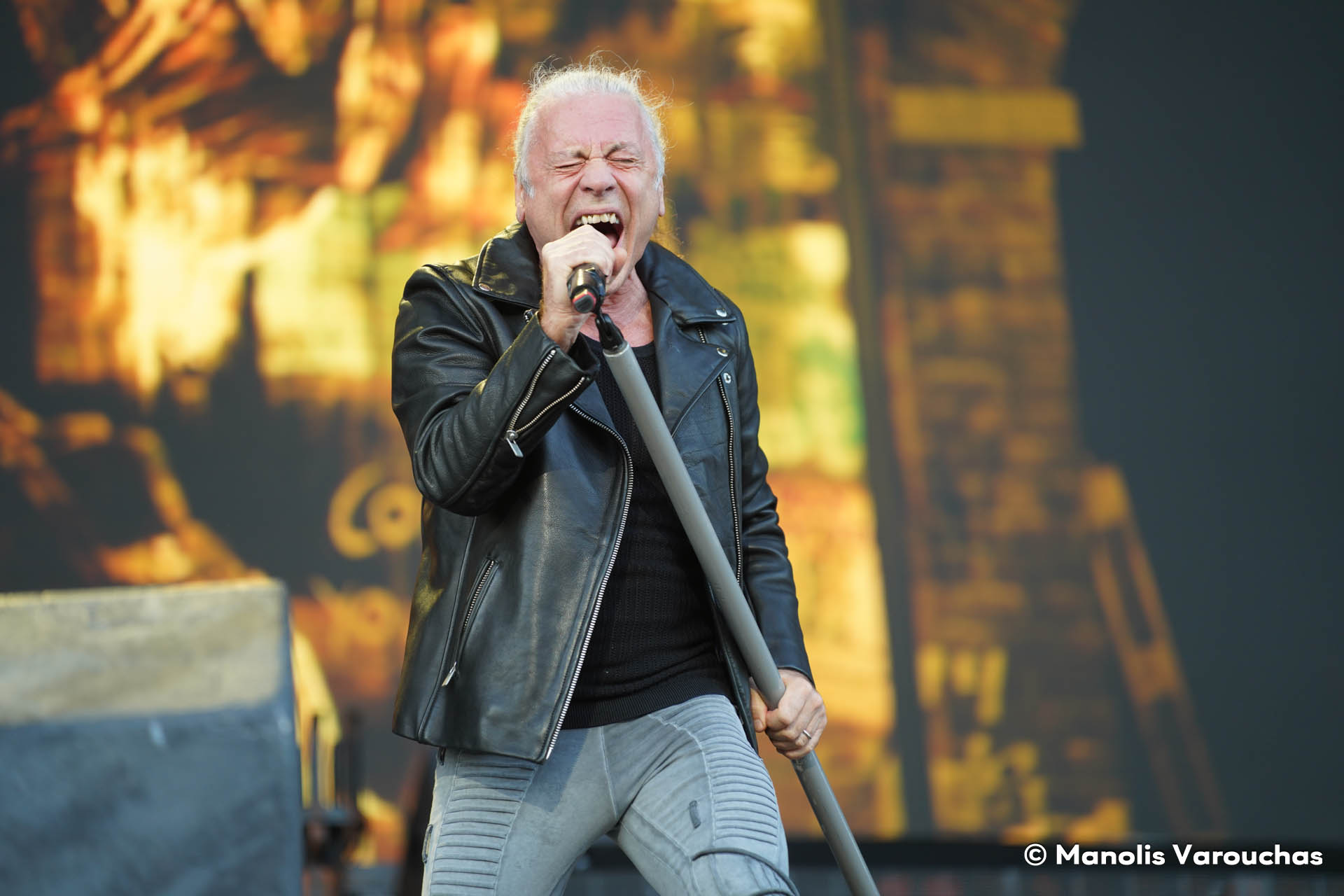
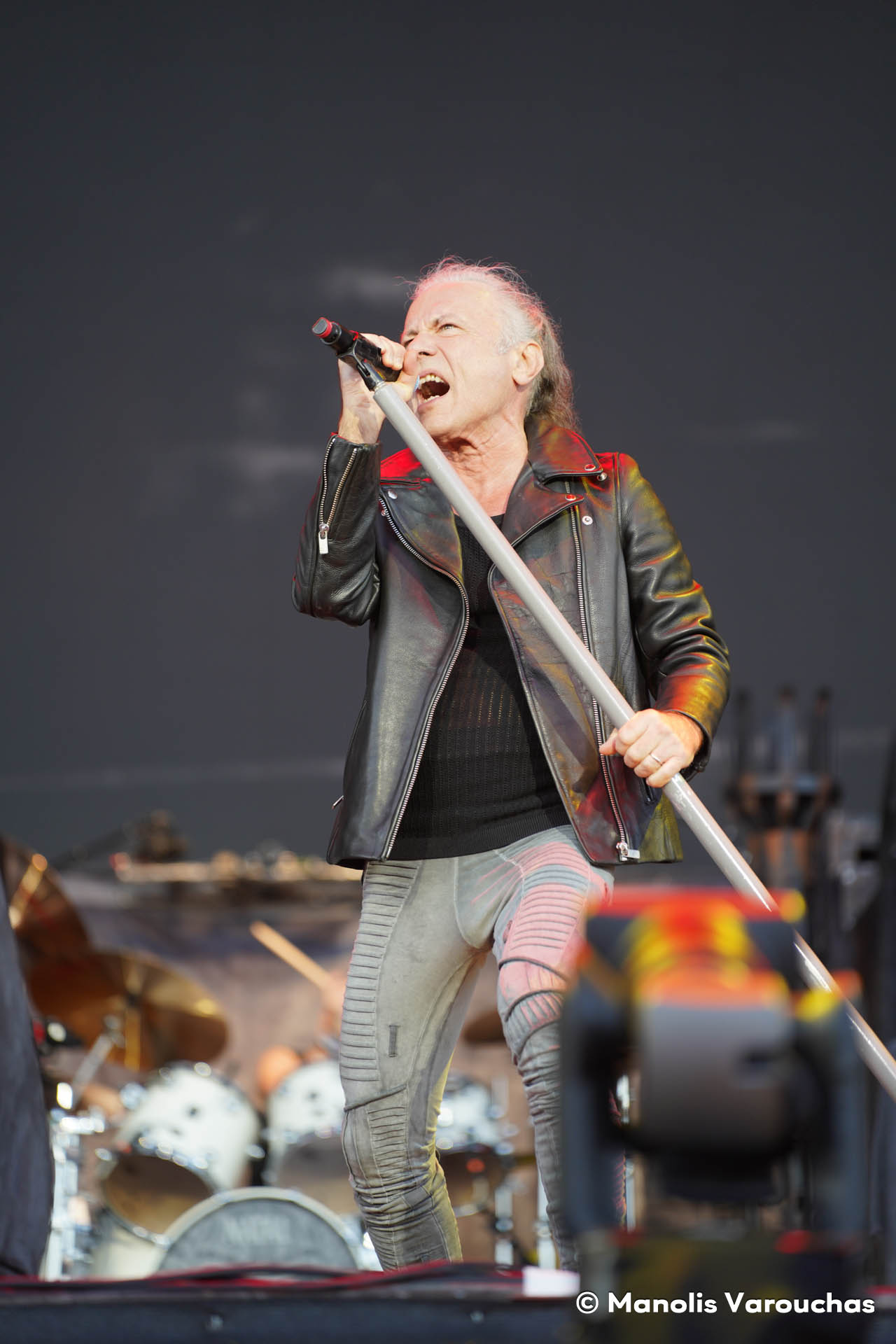
Bruce Dickinson entered the stage with the energy that has defined him for decades. Even in his late sixties, he remains one of heavy metal's greatest performers-not simply because of his voice, but because of his ability to command an audience. Few frontmen can transform a stage into a theatre as naturally as Dickinson.
The production matched the occasion perfectly.
Massive LED backdrops, changing stage sets, towering versions of Eddie and carefully timed pyrotechnics never felt excessive. Every visual element existed to support the music rather than distract from it. Iron Maiden have always understood that spectacle should enhance storytelling, and every song felt like another chapter in a much larger narrative.
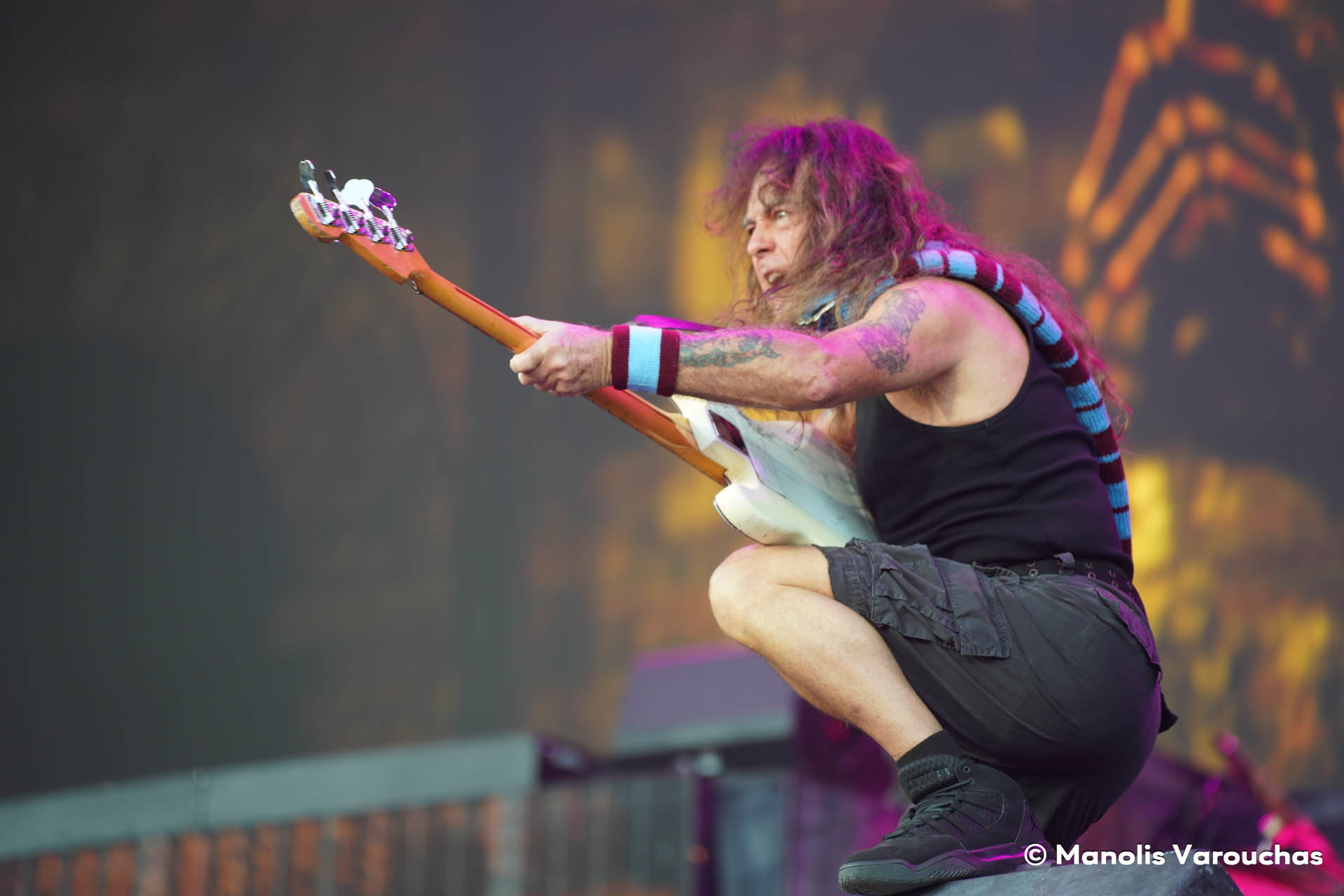
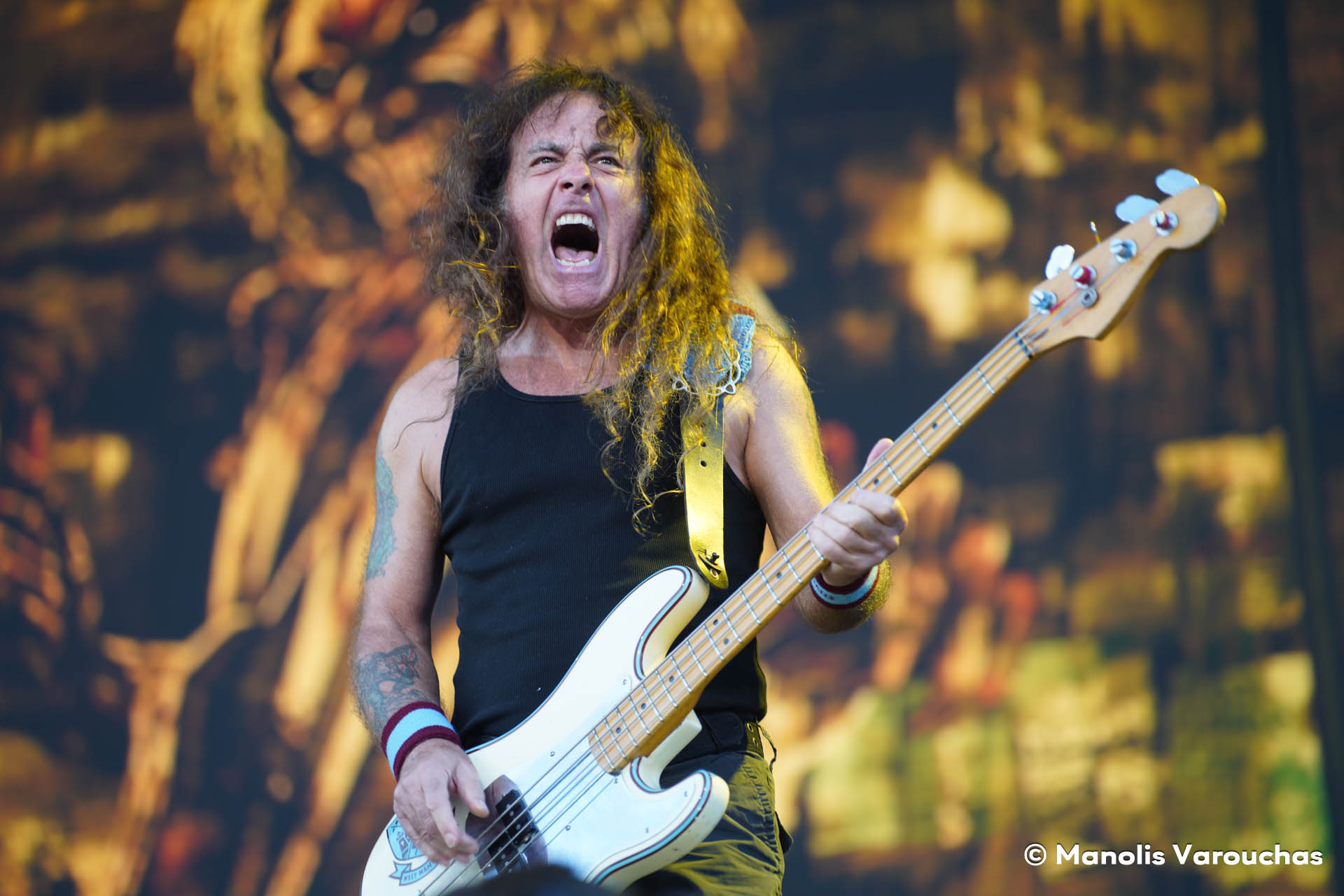
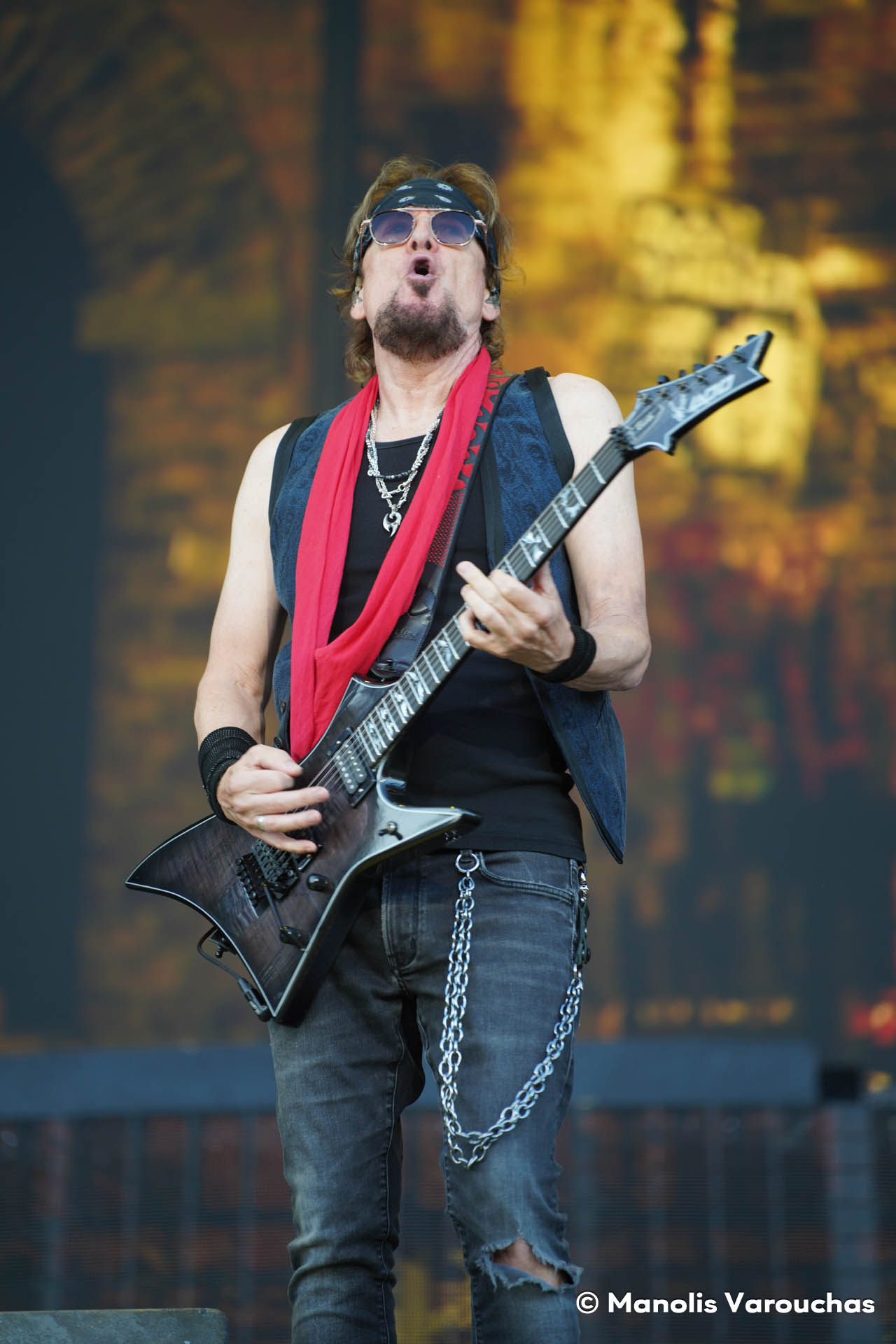
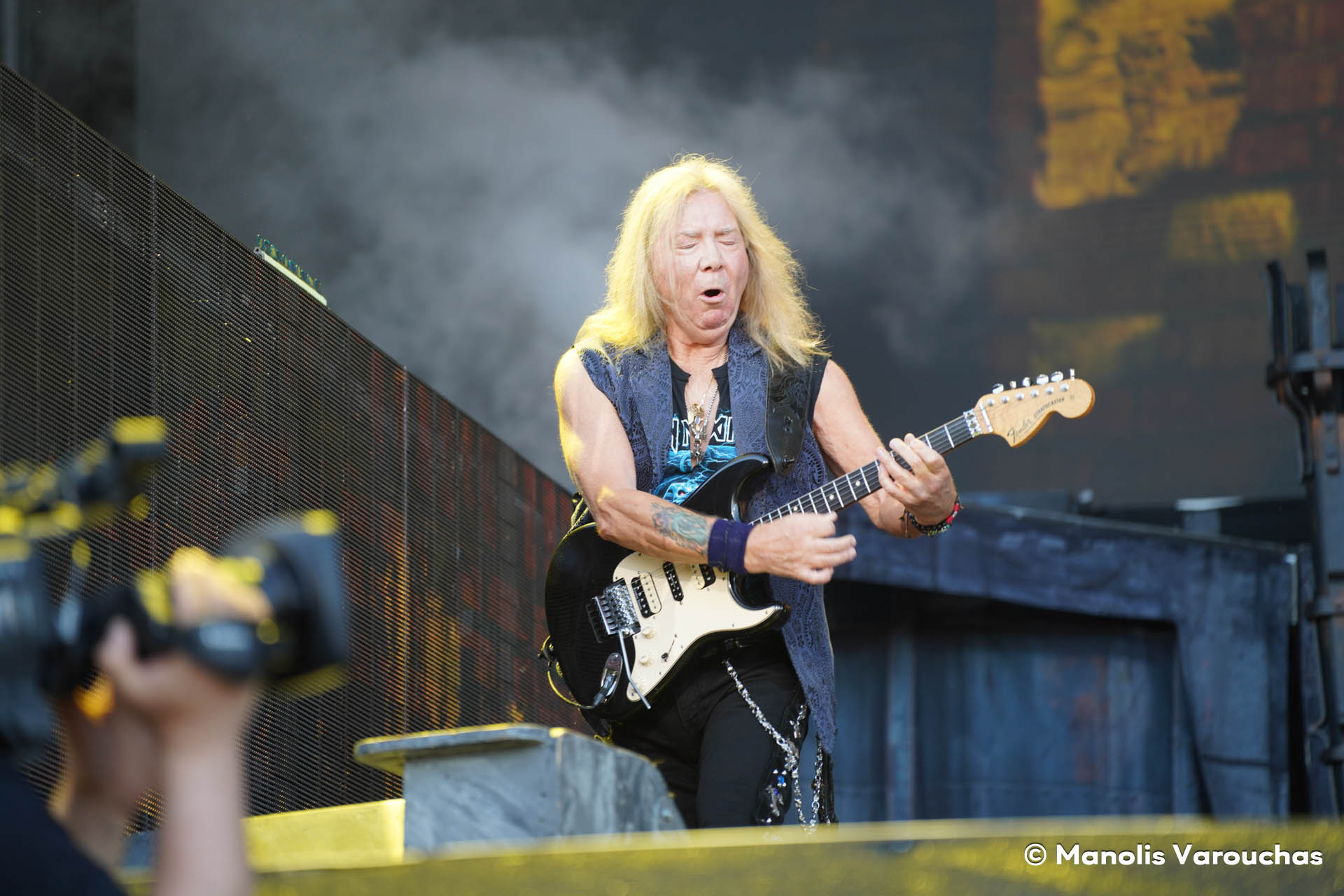
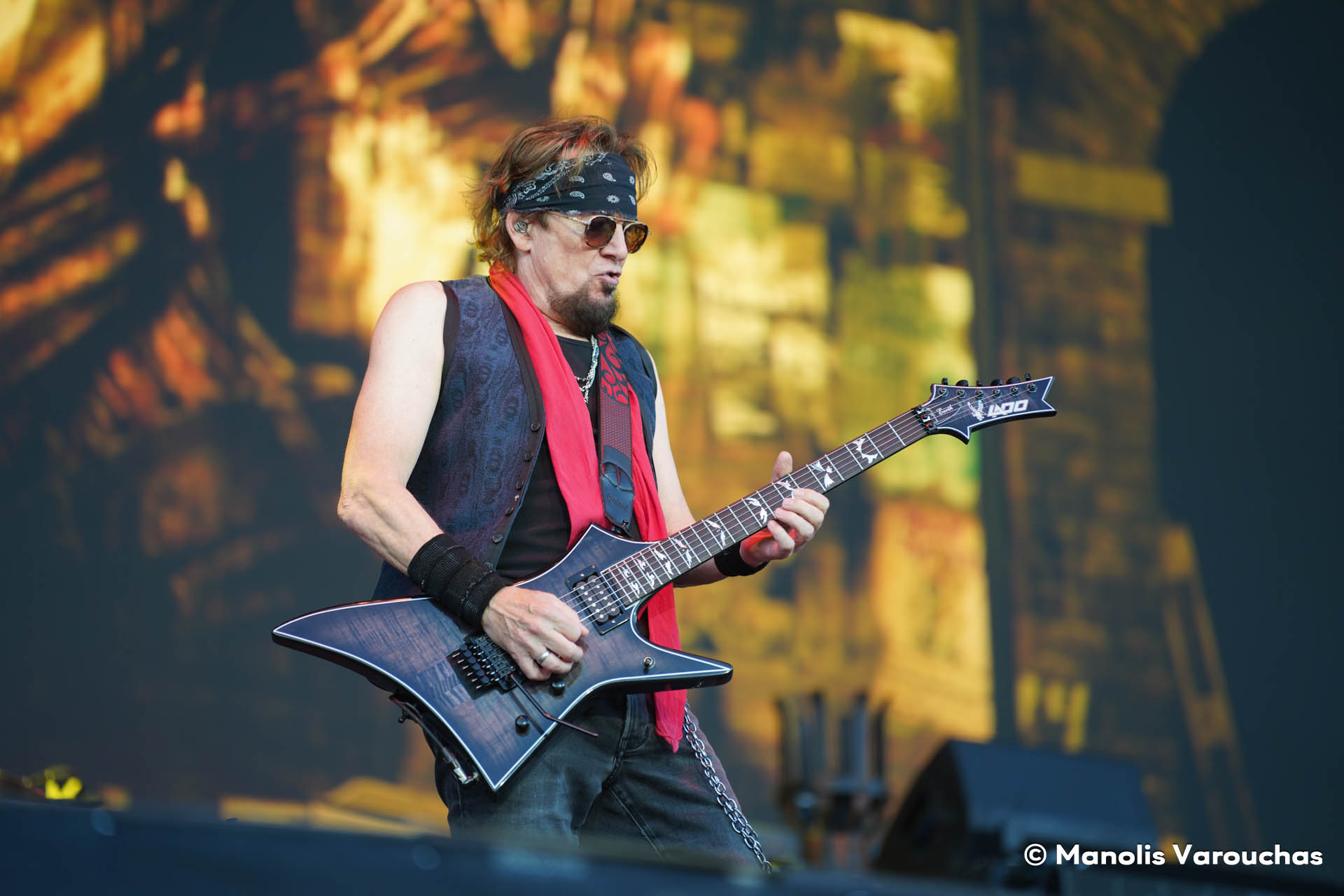
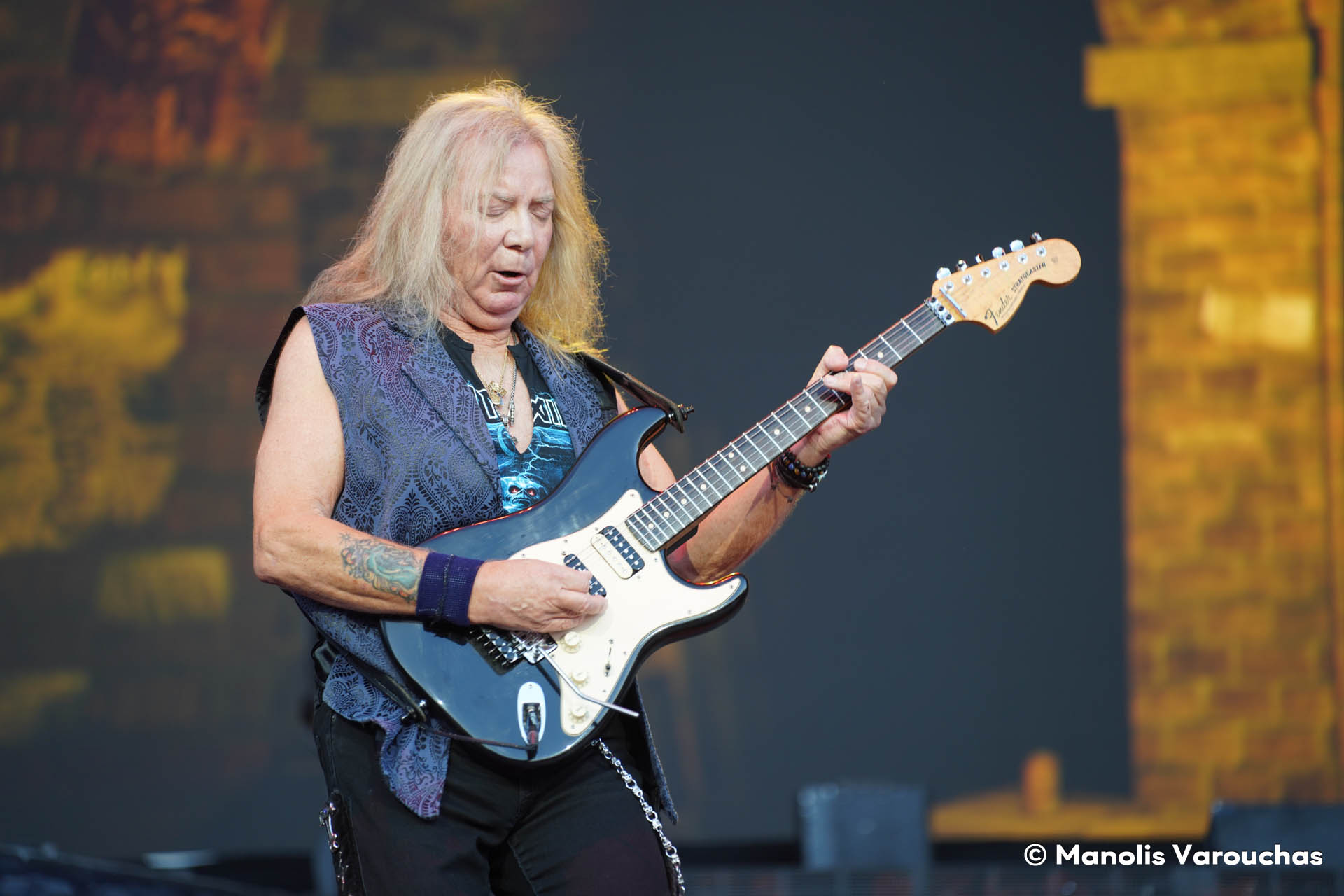
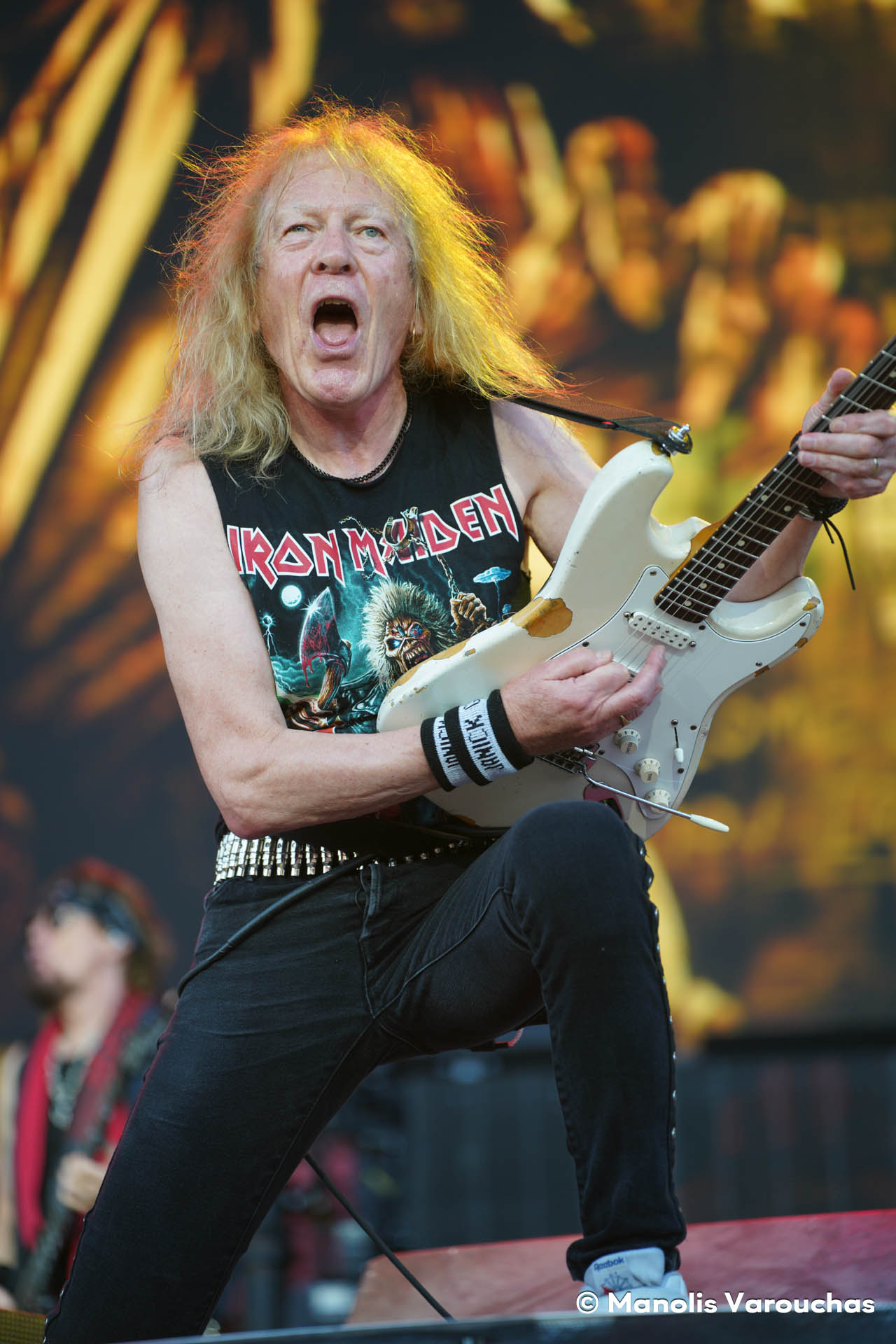
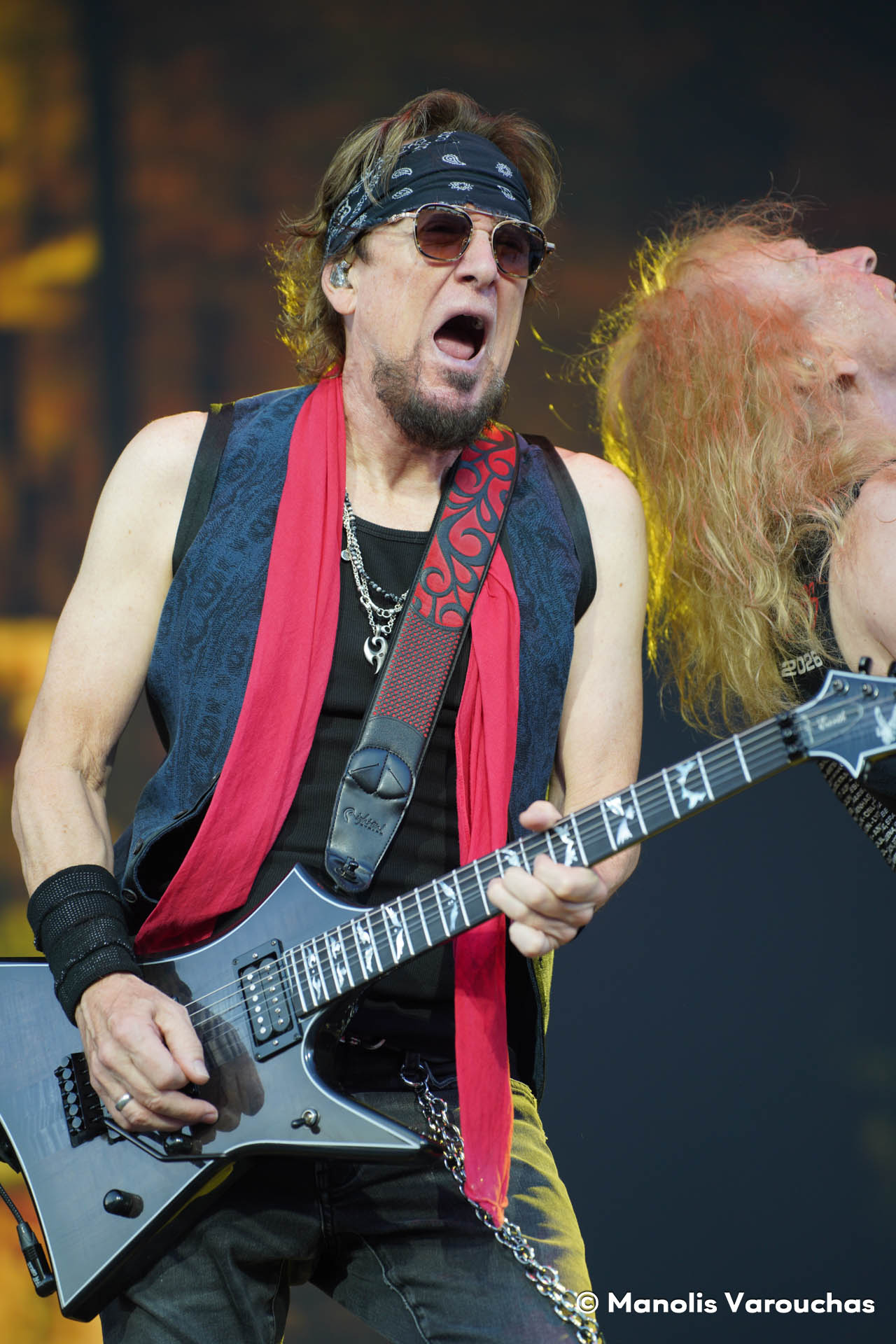
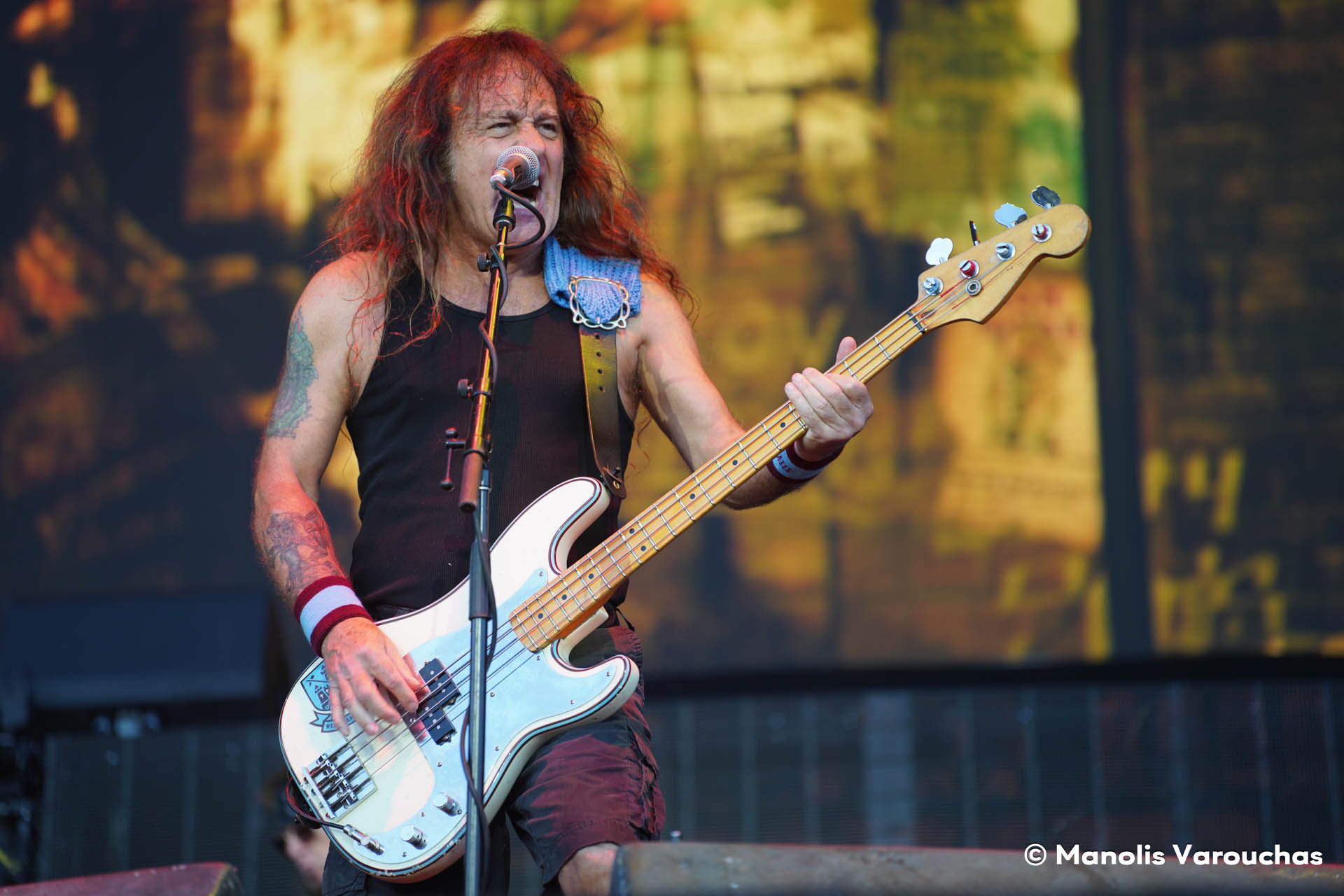
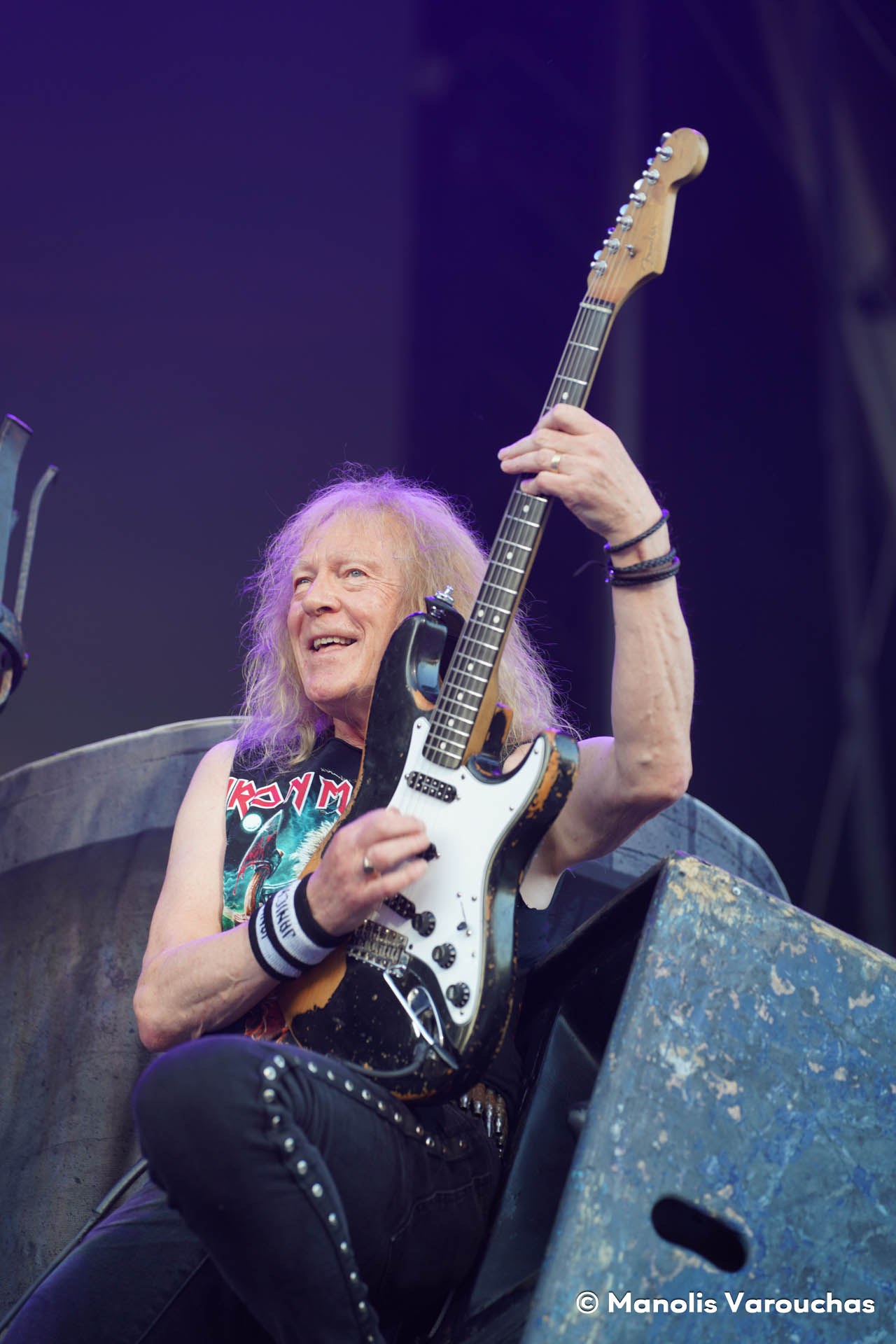
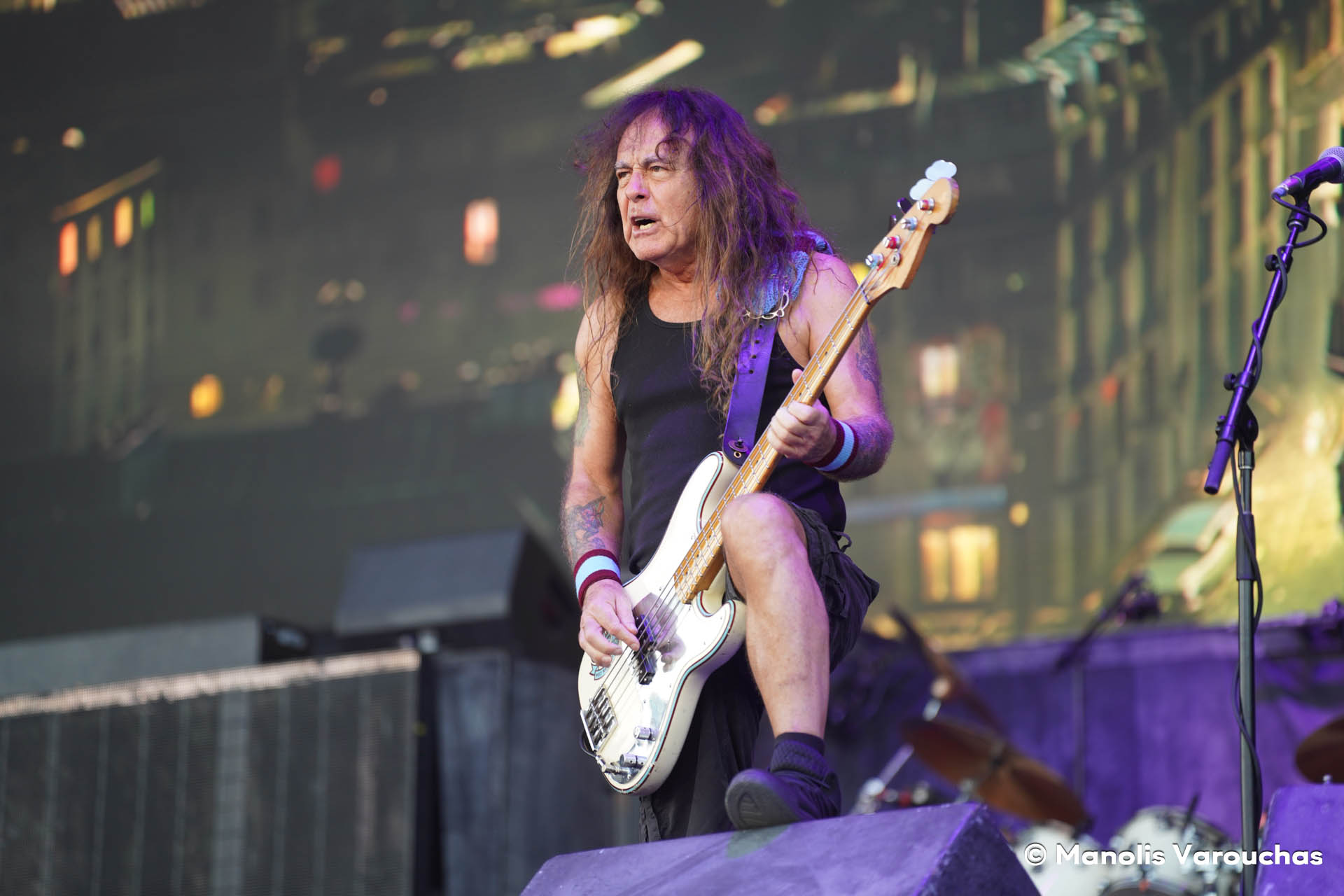
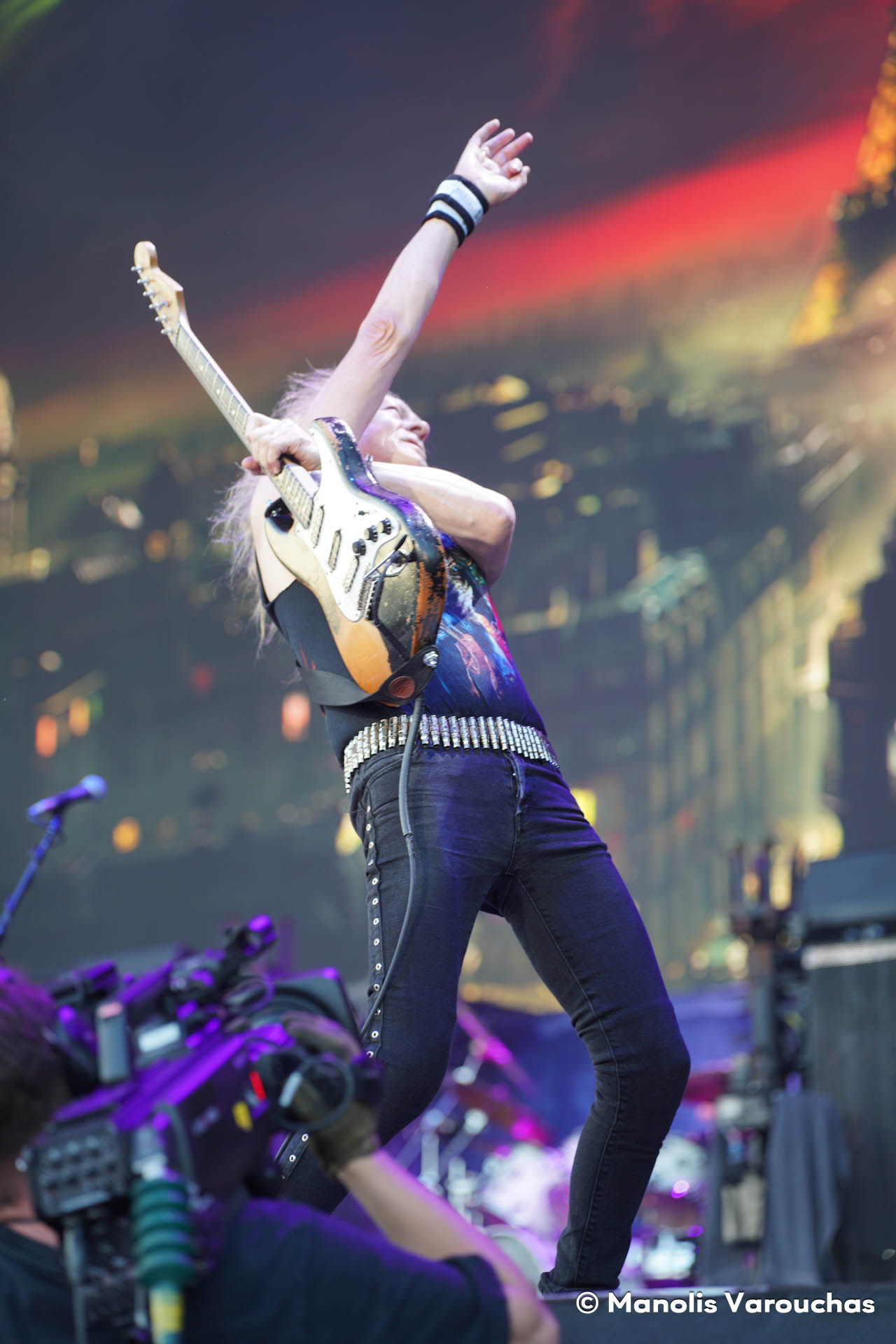
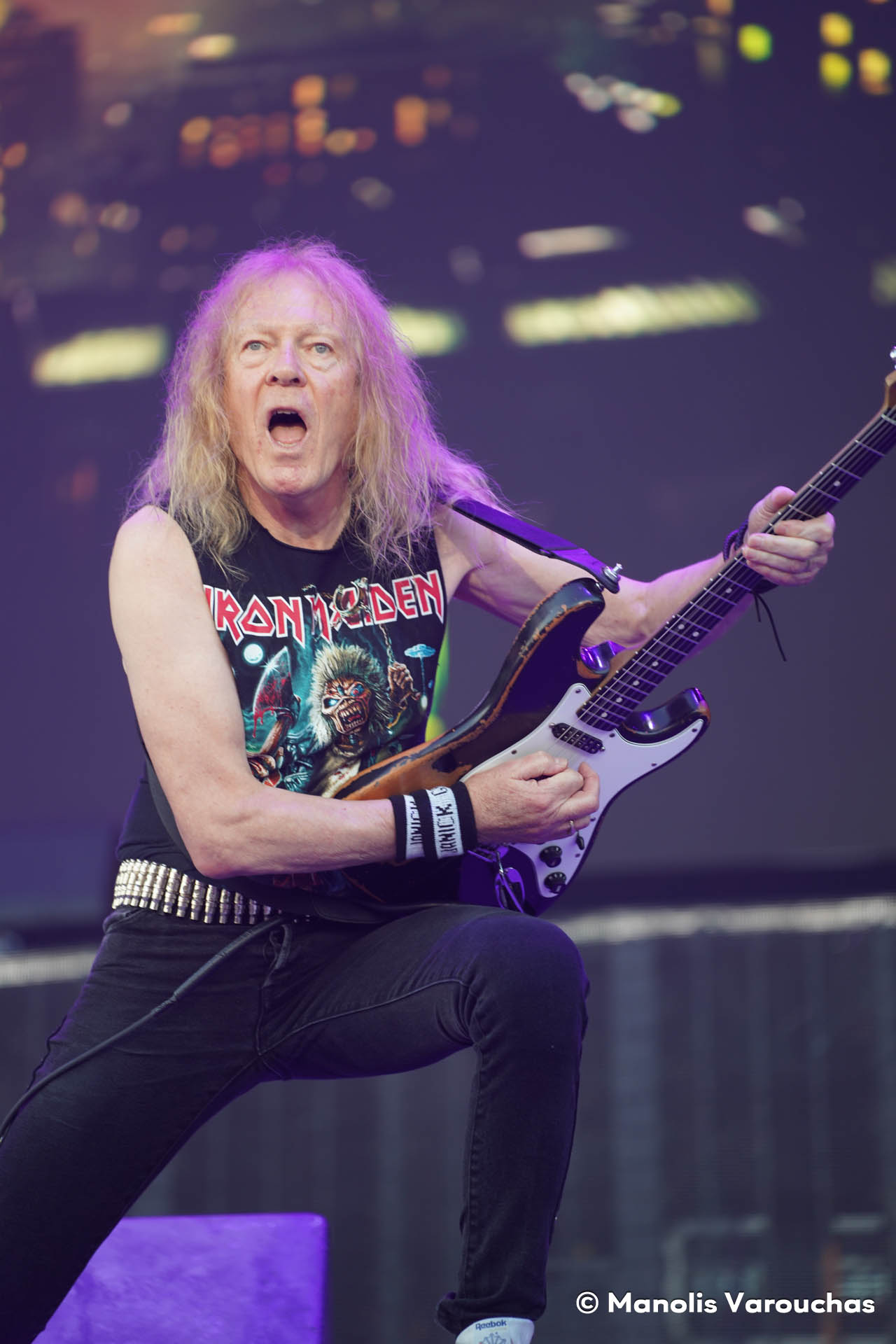
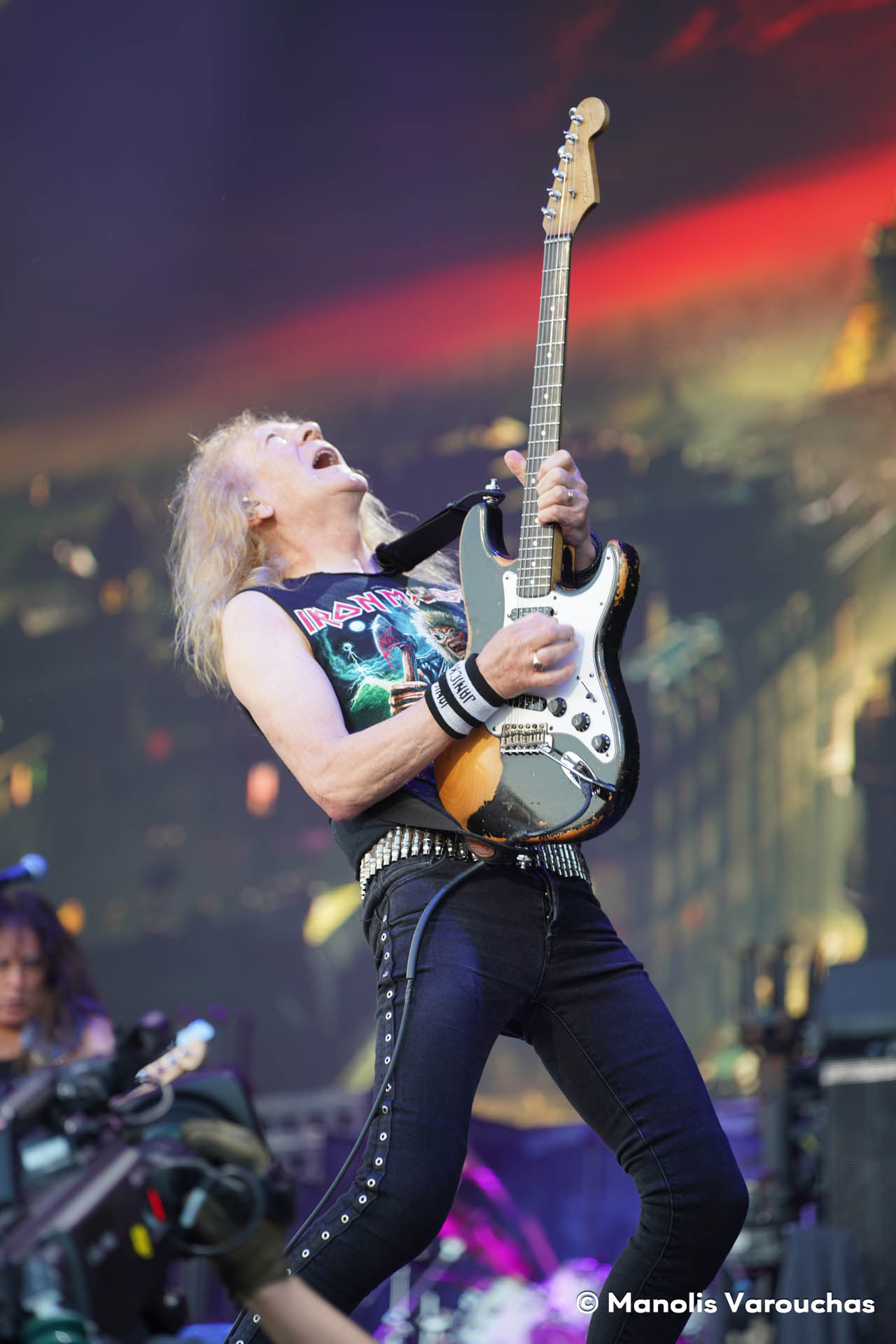
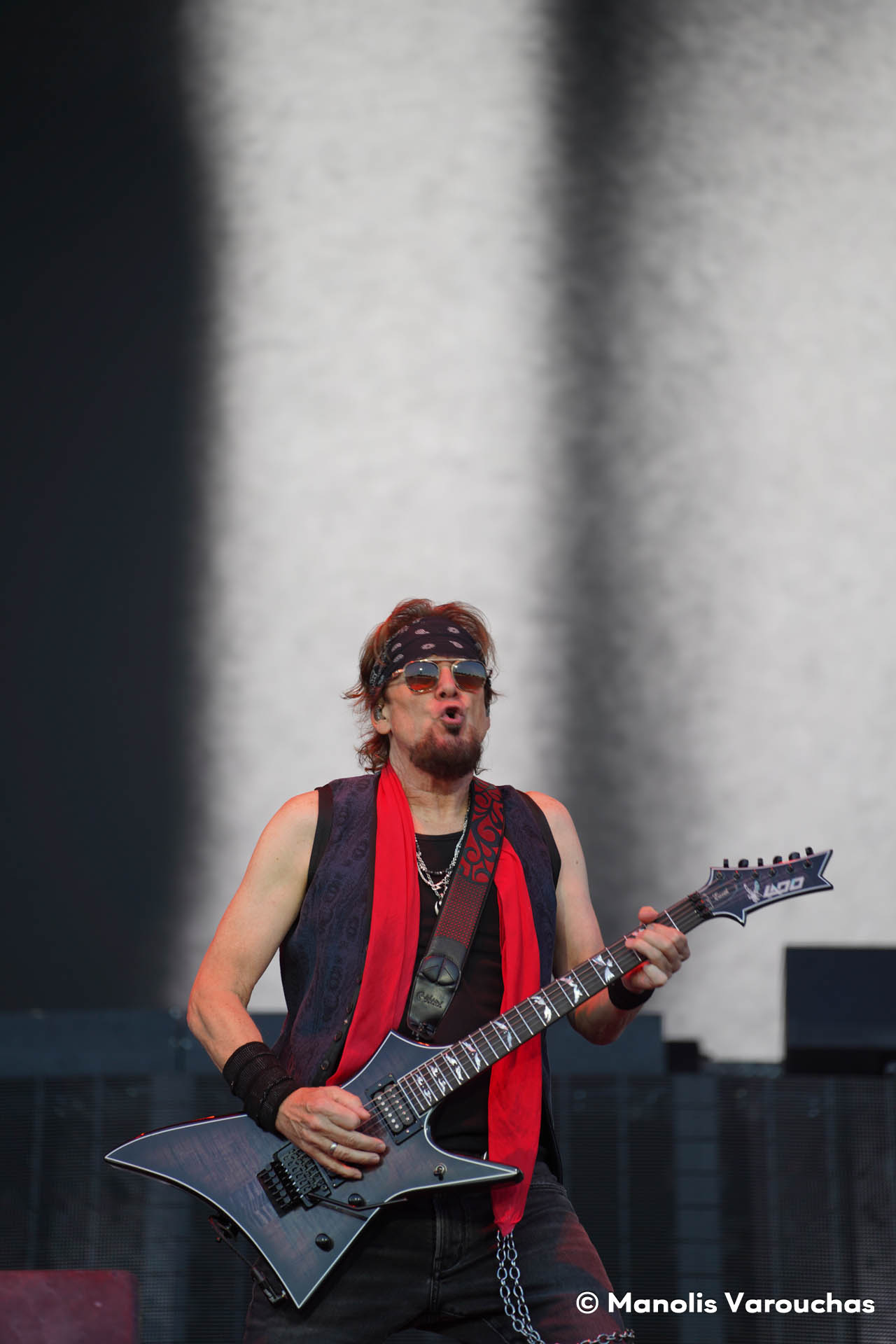
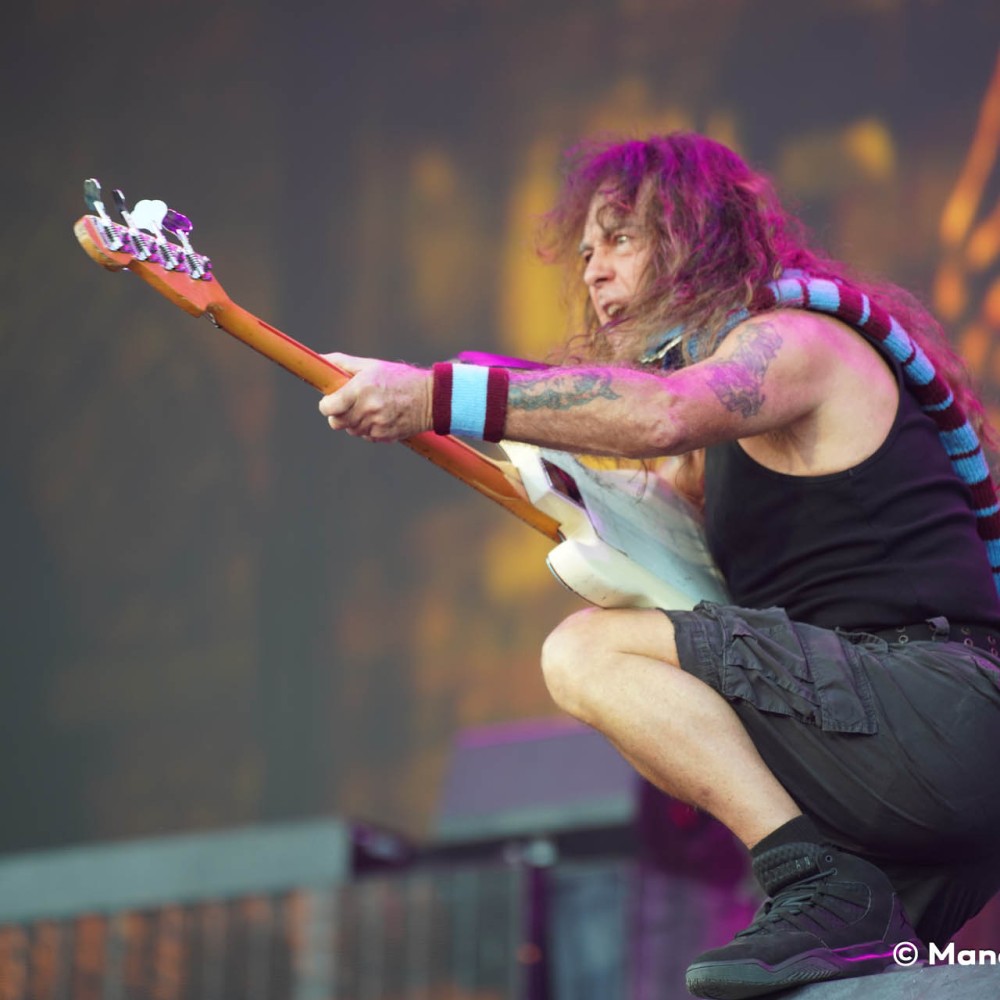
Steve Harris once again proved why he remains the heart of Iron Maiden. His unmistakable bass tone cut effortlessly through the mix, driving every song forward while constantly interacting with both his bandmates and the audience. Dave Murray, Adrian Smith and Janick Gers each brought their own personality to the performance, while Simon Dawson settled confidently behind the drum kit, delivering a powerful and precise performance throughout the evening.
As the concert progressed, Bruce's voice occasionally showed signs of fatigue during the second half of the show. It was noticeable-but surprisingly, it never became important.
Whenever his voice eased back slightly, fifty thousand fans instinctively stepped forward, singing every lyric at full volume. The audience became an extension of the band itself. Those moments served as a reminder that Iron Maiden has long since grown beyond the six musicians on stage. It has become a worldwide community bound together by songs that have accompanied generations of listeners through their lives.
In many ways, those imperfect moments became some of the evening's most beautiful.
Perfection was never the objective.
This was a celebration.
Throughout the performance the emotional weight of fifty years could be felt everywhere. Every song carried memories for someone in the audience. Parents stood beside children discovering Iron Maiden for the first time. Friends who had attended tours together decades earlier embraced during choruses they had sung countless times before. Fans from every corner of the world had travelled to Knebworth for exactly the same reason: to be part of history.
That feeling cannot be created by production budgets or elaborate stage designs.
It can only be earned.
Iron Maiden have spent half a century building trust with their audience through consistency, ambition and an unwavering commitment to remaining themselves regardless of changing musical trends. Eddfest was the reward for that loyalty.
What was meant to become the definitive filmed document of the Run For Your Lives tour almost came apart in Paris. During the band's performance at Paris La Défense Arena, a major power outage brought the show to a halt for nearly an hour, forcing Iron Maiden to cut the final three songs because of the venue's curfew. Rather than compromise the planned concert film, the band chose to complete the missing footage at EDDFEST in Knebworth, turning the UK weekend into more than just a festival appearance—it became the final piece of a production that had unexpectedly begun in darkness.
As the final songs arrived, nobody wanted the evening to end.
The lights, the fireworks, the enormous Eddie towering over the stage and the sea of raised fists created one final unforgettable image. It was impossible not to smile while looking across the crowd. Every generation of Maiden fan was represented, united by music that continues to inspire people fifty years after Steve Harris first imagined this band.
Walking back across the dark fields of Knebworth, surrounded by thousands of smiling fans wearing Maiden shirts from every era, one thought remained impossible to ignore.
Many bands celebrate anniversaries.
Very few deserve festivals built entirely around them.
Iron Maiden do.
Eddfest was far more than a concert.
It was a celebration of heavy metal history, of community, of loyalty and of everything that has made Iron Maiden one of the greatest live bands the world has ever known.
Here's to the next fifty years.